

Xanthan Gum for Food and Industrial Applications
description1
Product Description
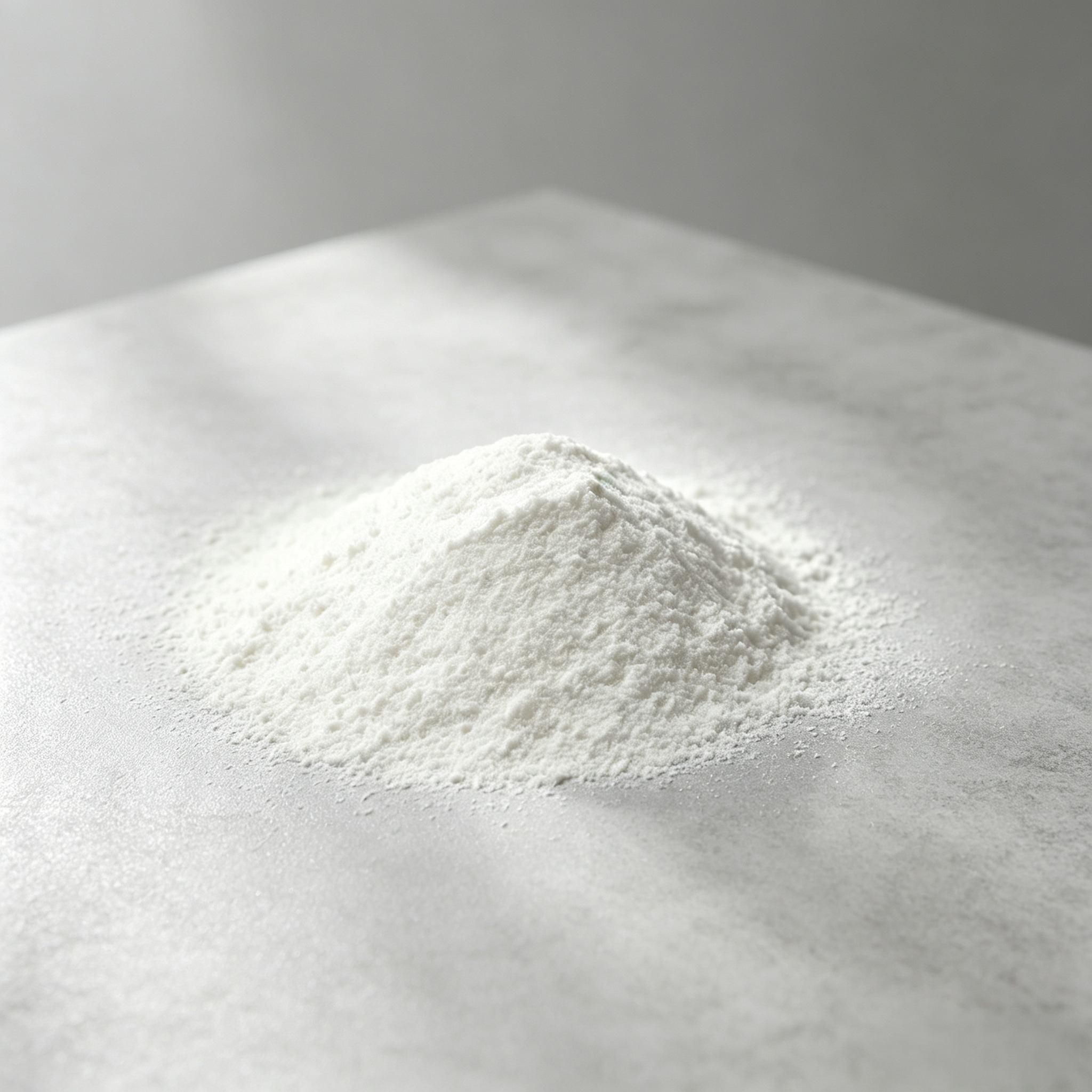
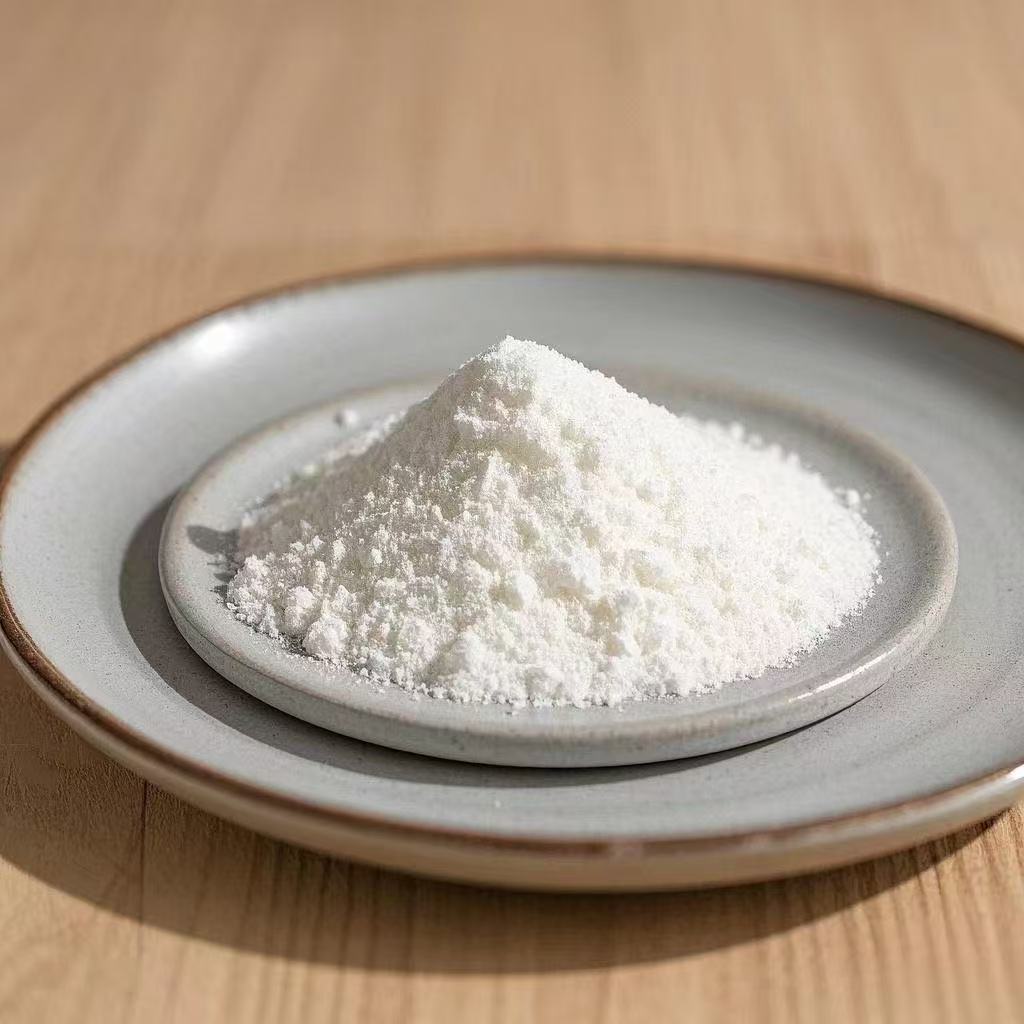
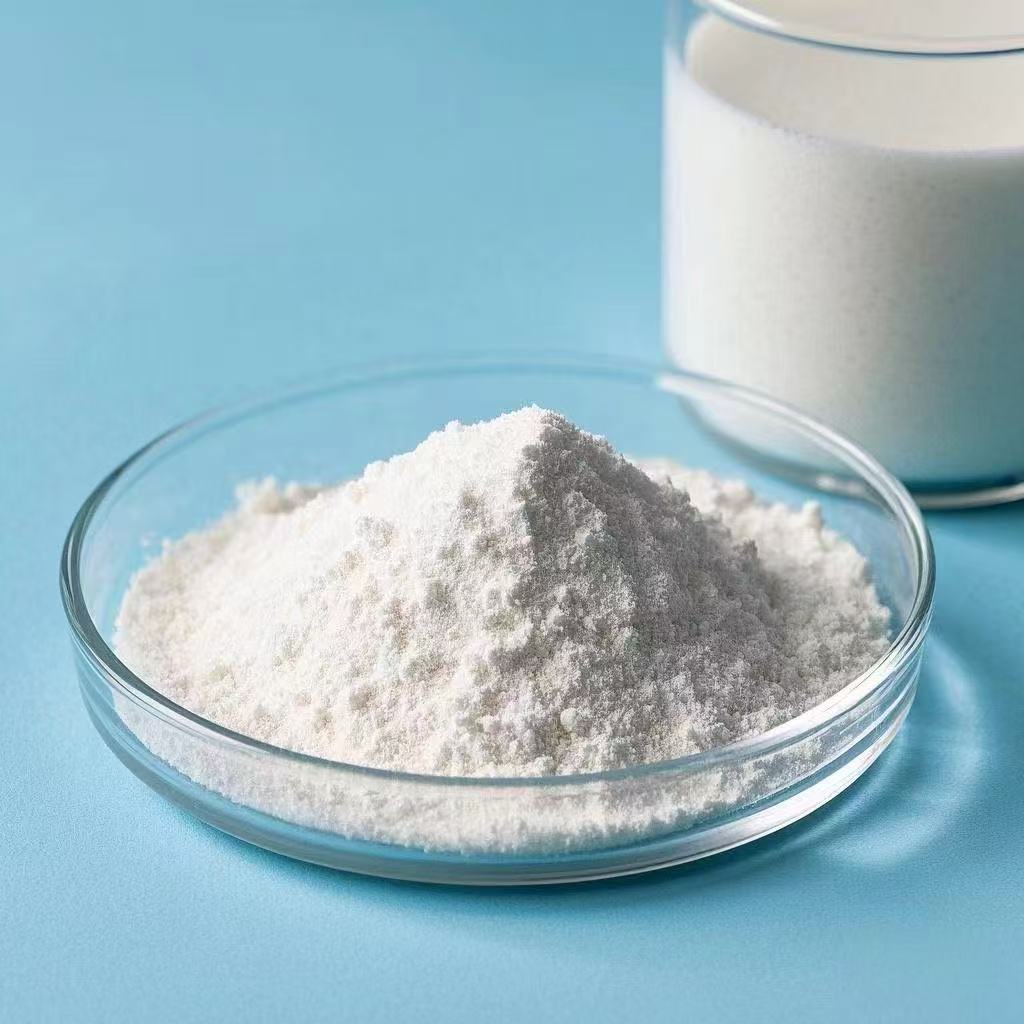
Xanthan Gum is a fermentation-derived polysaccharide known for its strong thickening, stabilizing, and suspending performance at low usage levels. It disperses easily in water and maintains stable viscosity under varying temperatures, pH conditions, and salt concentrations. This product offers excellent compatibility with other hydrocolloids and ingredients, making it suitable for complex formulations. Its consistent rheological behavior helps improve mouthfeel, appearance, and processing efficiency. Food-grade quality ensures compliance with international standards, supporting reliable application in both traditional and innovative formulations.
Technical Parameters
Item |
Standard |
Sensory Test |
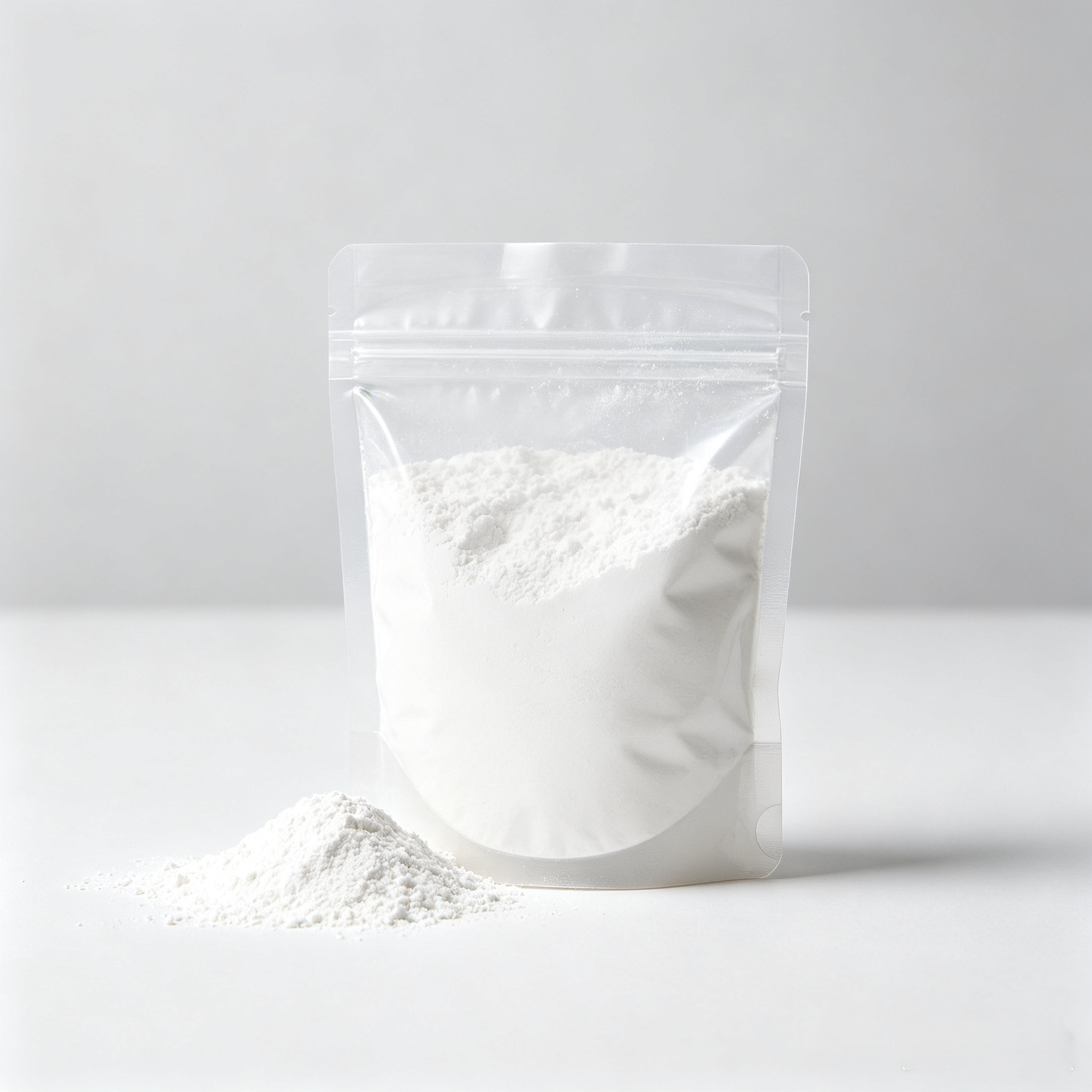
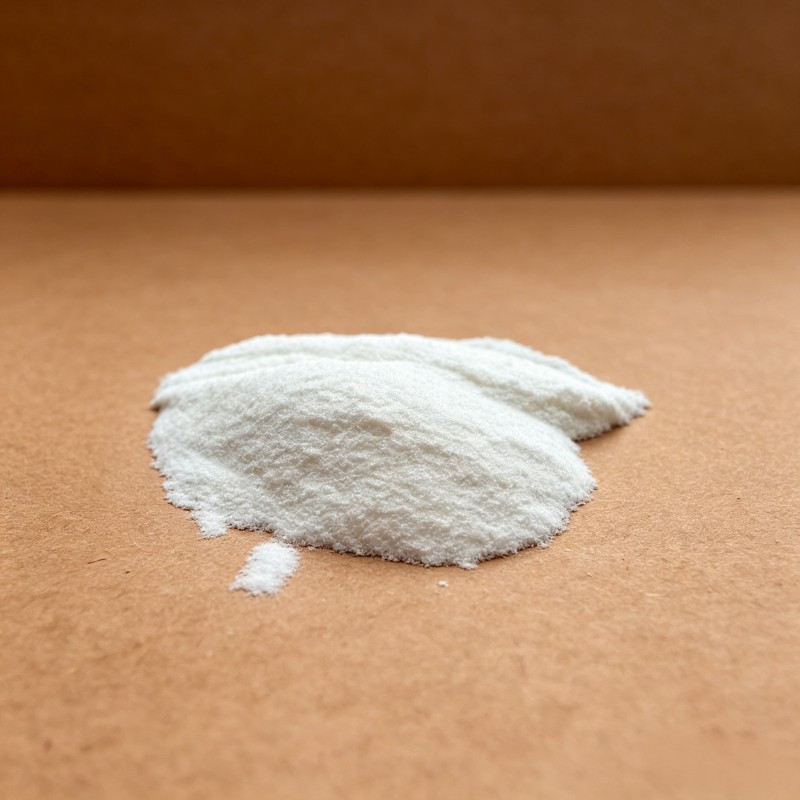
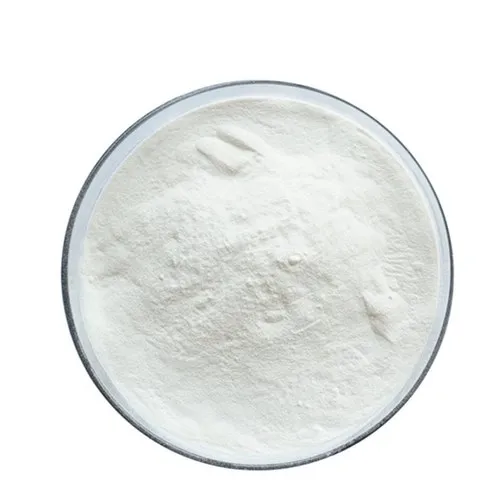
Off-white or Light Yellow Free Flowing Powder or granular |
Assay (Dry Content) |
91.0% ~ 108.0% |
Shear Ratio |
≥ 6.5 |
Loss on Drying |
≤ 13.0% |
Ash Content |
≤ 13.0% |
Pyruvic Acid |
≥ 1.5% |
pH Value |
6.0 – 8.0 |
Heavy Metals (as Pb) |
≤ 20 ppm |
Total Plate Count |
≤ 2000 CFU/g |
Product Benefits / Applications
● Enhances viscosity and flow behavior in liquid systems.
● Improves suspension stability and uniform texture.
● Performs reliably across heat, acid, and salt conditions.
● Suitable for sauces, dressings, beverages, and bakery products.
● Commonly used in food, oil drilling, and selected industrial applications.
| Application | Product | Dosage (%) | Function |
| Food | Mayonnaise | 0.1-0.5 | Stable emulsification, suspension, dispersion, improved spreadability |
| Soups, Sauces and Gravies | 0.05-0.5 | Good temperature stability, prevents separation, improves texture | |
| Acidic liquid drinks | 0.05-0.2 | Thickens, suspends, improves sensory quality, remains stable | |
| Neutral plant-based protein drinks | 0.05-0.3 | Thickens, suspends, remains stable, improves taste | |
| Beverages | 0.01-0.2 | Provides steady thickening and suspension, keeps drinks uniform | |
| Dairy products | 0.05-0.2 | Stabilization, viscosity control, taste regulation | |
| Condiments and sauce packets | 0.1-0.3 | Emulsifies, thickens, stabilizes | |
| Fillings | 0.05-1.5 | Thermal stability, molding support, uniformity, water retention | |
| Bakery products | 0.1-0.4 | Stabilization, moisture control, shelf-life extension, texture improvement | |
| Flour products | 0.01-0.1 | Enhances toughness, water holding, shelf-life extension | |
| Meat products | 0.2-0.8 | Tenderization, oil and water retention, improved stability | |
| Ice cream and frozen foods | 0.2-0.5 | Improves fineness, structure stability, freeze-thaw resistance | |
| Industrial | Creams and lotions | 0.2-1.0 | Easy pumpability and excellent flow properties |
| Toothpaste | 0.4-0.6 | Improves stand-up property, suspension, and mouthfeel | |
| Water-based paints | 0.1-0.3 | Rheology control, pigment stabilization, drip resistance | |
| Adhesives | 0.1-0.3 | Controls rheology and penetration | |
| Paper industry | 0.1-0.2 | Acts as suspension aid and rheology modifier | |
| Ceramic glazes | 0.3-0.5 | Effectively suspends solids | |
| Pet Food | Pet food | 0.05-0.5 | Binder, oil and water retention, heat stability |
| Dog chewing gum | 0.01-0.3 | Forms elastic gel, improves chewiness, protects teeth and mouth | |
| Oil Drilling | Oil drilling fluids | 0.1-0.4 | Salt and high-temperature stability, viscosity and rheology modification |
| Oil recovery | 0.05-0.2 | Acts as mobility control agent |
Product Packaging
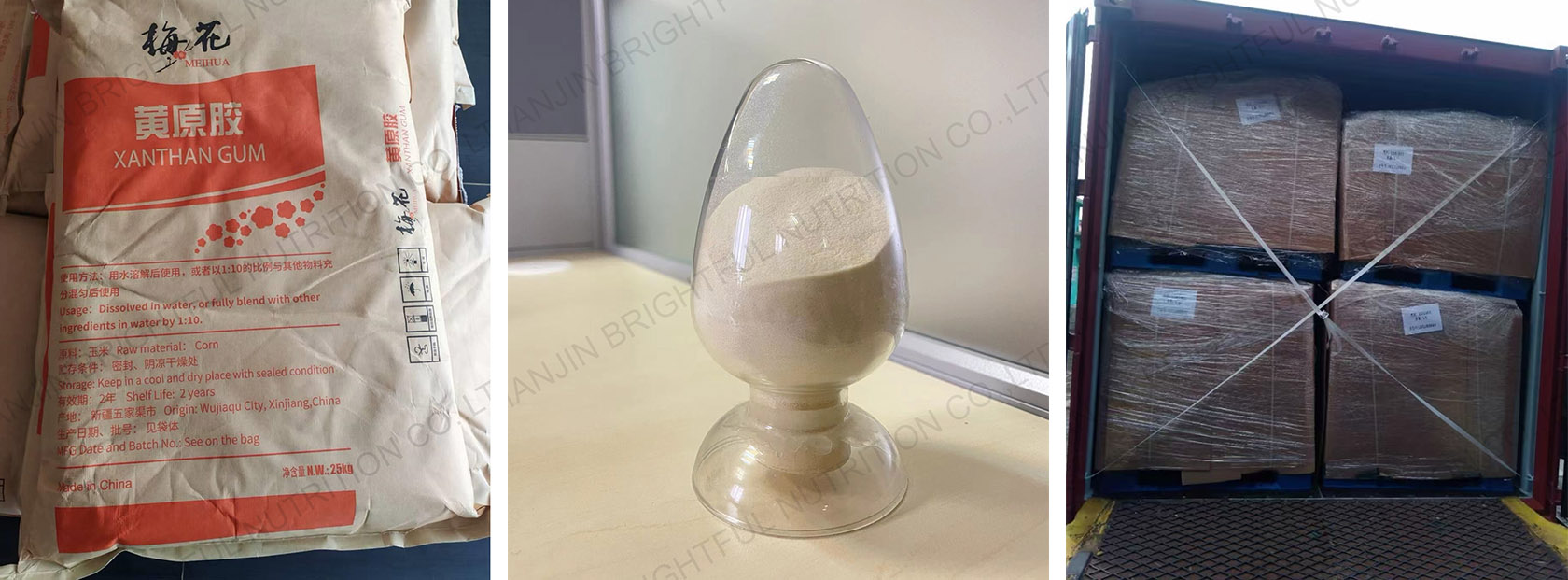
Standard export packaging: 25 kg net per bag
● Protects product from moisture and contamination
● Designed for safe handling, storage, and long-distance transportation
FAQ
Get a Quote