
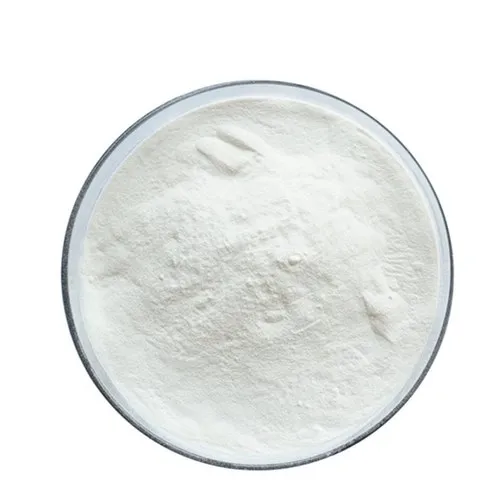
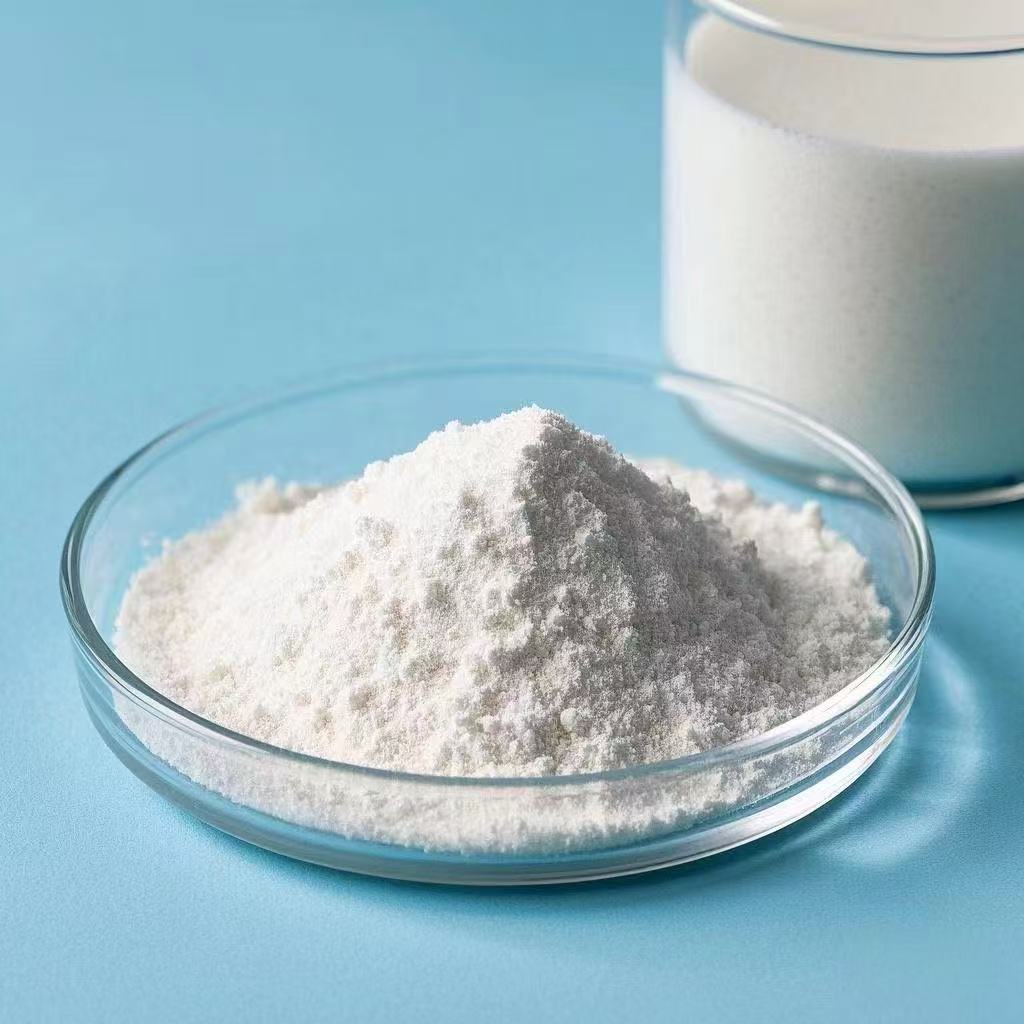
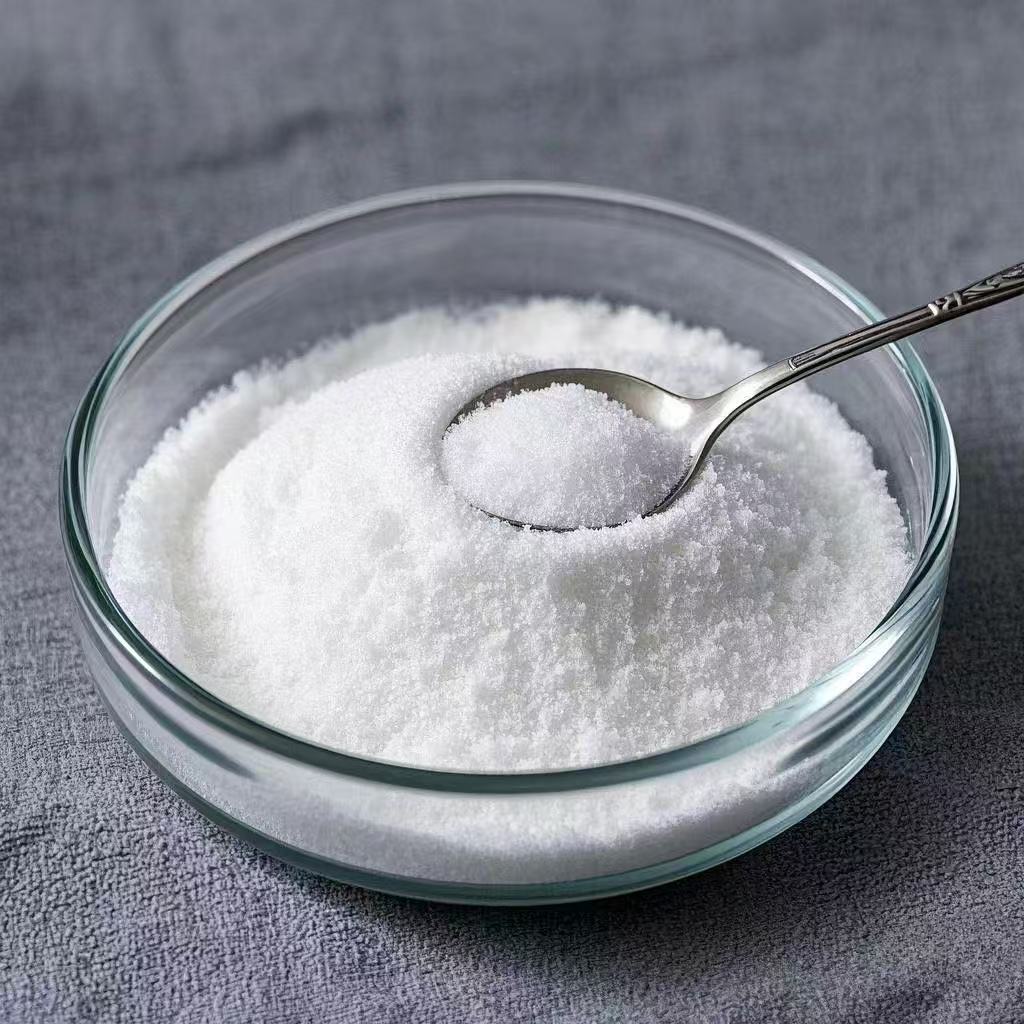
High Purity Trehalose for Food and Beverage Use
description1
Product Description
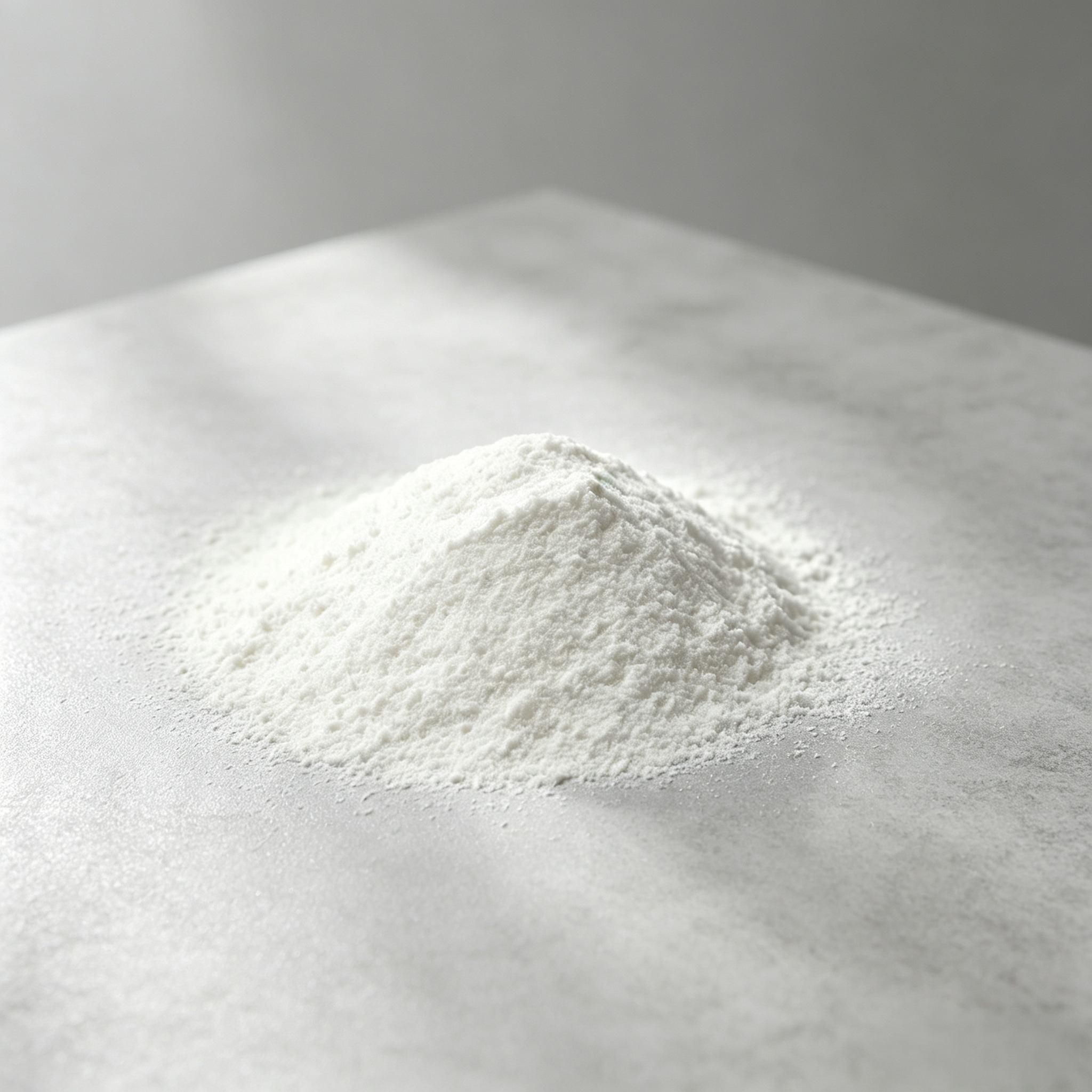
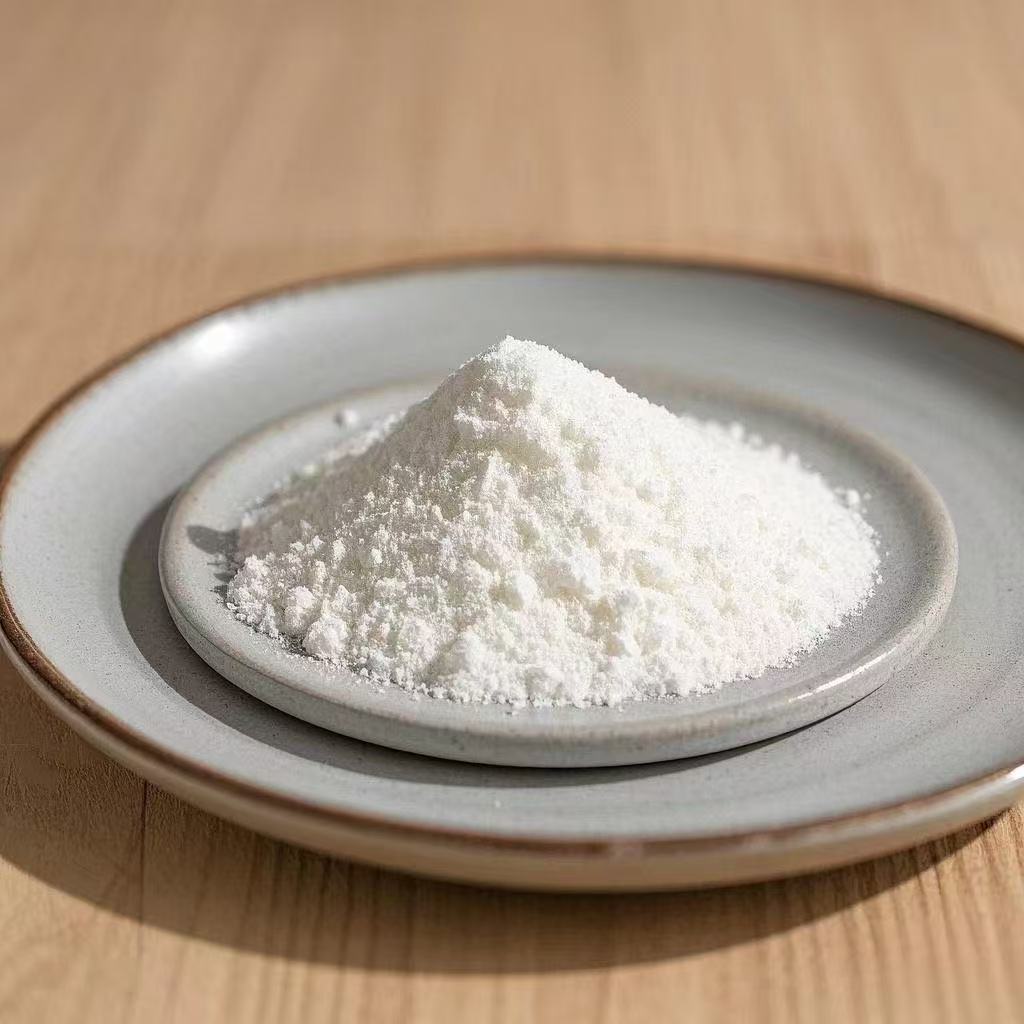
Trehalose is a naturally occurring disaccharide produced through enzymatic conversion of starch. It features low sweetness, high stability, and excellent moisture control properties. Compared with traditional sugars, trehalose helps protect proteins, lipids, and cell structures during processing and storage. It remains stable under heat, acidic conditions, and freezing environments, making it suitable for a wide range of food applications. This food-grade product improves mouthfeel, reduces sweetness masking, and supports longer shelf life, while maintaining clean taste and formulation flexibility.
Technical Parameters
Item |
Standard |
Sensory Test |
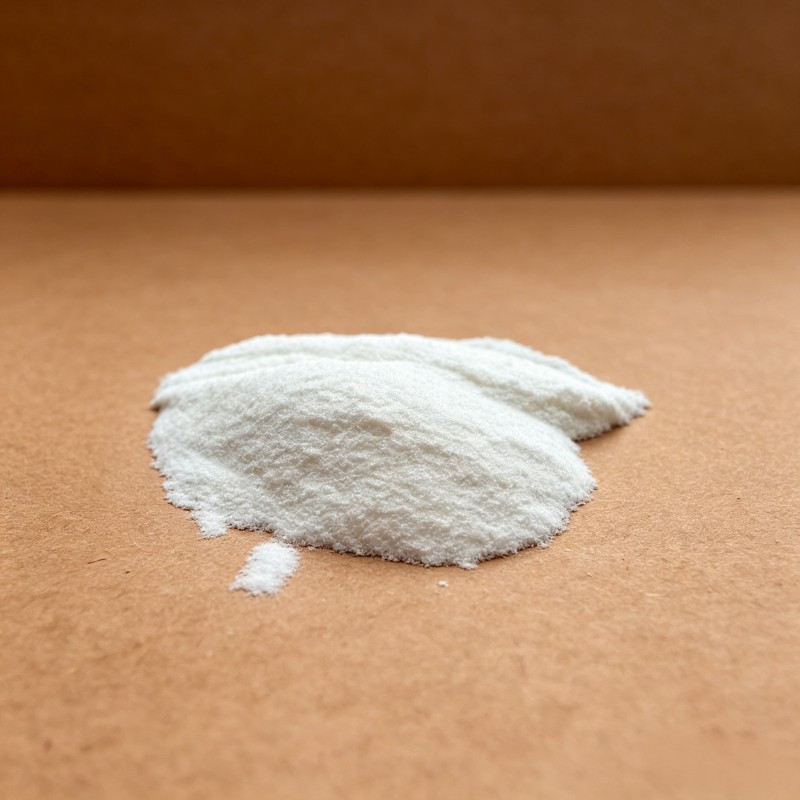
White & looser grain, No foreign body, Sweet taste, odorless |
Assay (Dry Content) |
99.7% ~ 102.0% |
Specific Rotation [α]D20 |
+197° – +201° |
Loss on Drying |
≤ 1.5% |
Residue on Ignition |
≤ 0.05% |
Chromaticity |
≤ 0.100 |
Turbidity |
≤ 0.05 |
pH Value |
5.0 - 6.7 |
Pb |
≤ 0.5 ppm |
Total Plate Count |
≤ 300 CFU/g |
Product Benefits / Applications
● Provides gentle sweetness without overpowering flavors.
● Enhances moisture retention and texture stability.
● Improves freeze-thaw and heat processing tolerance.
● Helps protect sensitive ingredients and active compounds.
● Widely used in bakery, confectionery, beverages, and frozen foods.
● Contact us for detailed application and recommended dosage of Trehalose.
Typical Applications and Recommended Dosage
Application Area |
Product Type |
Application Focus |
Typical Dosage* |
Bakery Products |
Bread, Cakes, Pastries |
Enhances moisture retention and texture stability |
1–5% of flour weight |
Confectionery |
Chocolates, Candies |
Improves sweetness balance and protects active ingredients |
1–3% of total formulation |
Beverages |
Powdered & Ready-to-Drink |
Provides gentle sweetness and stability |
2–5 g per 100 mL |
Frozen Foods |
Ice Cream, Desserts |
Improves freeze-thaw tolerance and texture |
1–3% of product weight |
Nutritional Products |
Powdered Blends / Bars |
Protects sensitive compounds and enhances shelf life |
1–3% of total mix |
Dairy Products |
Yogurt, Milk Drinks |
Maintains texture, sweetness, and stability |
1–2% of total product |
Meat & Seafood Products |
Processed Meats, Surimi |
Protects proteins, enhances water retention |
0.5–2% of product weight |
Functional Snacks |
Energy / Protein Bars |
Improves mouthfeel and preserves active ingredients |
1–3% of total formulation |
Frozen & Ready Meals |
Ready-to-Eat Meals |
Maintains texture and prevents ice crystal formation |
1–2% of product weight |
Health Supplements |
Capsules / Powders |
Stabilizes sensitive ingredients and bioactives |
1–3% of blend |
*Dosage may vary depending on product formulation, processing conditions, and desired functionality. Actual usage levels should be determined by product developers according to local regulatory standards.
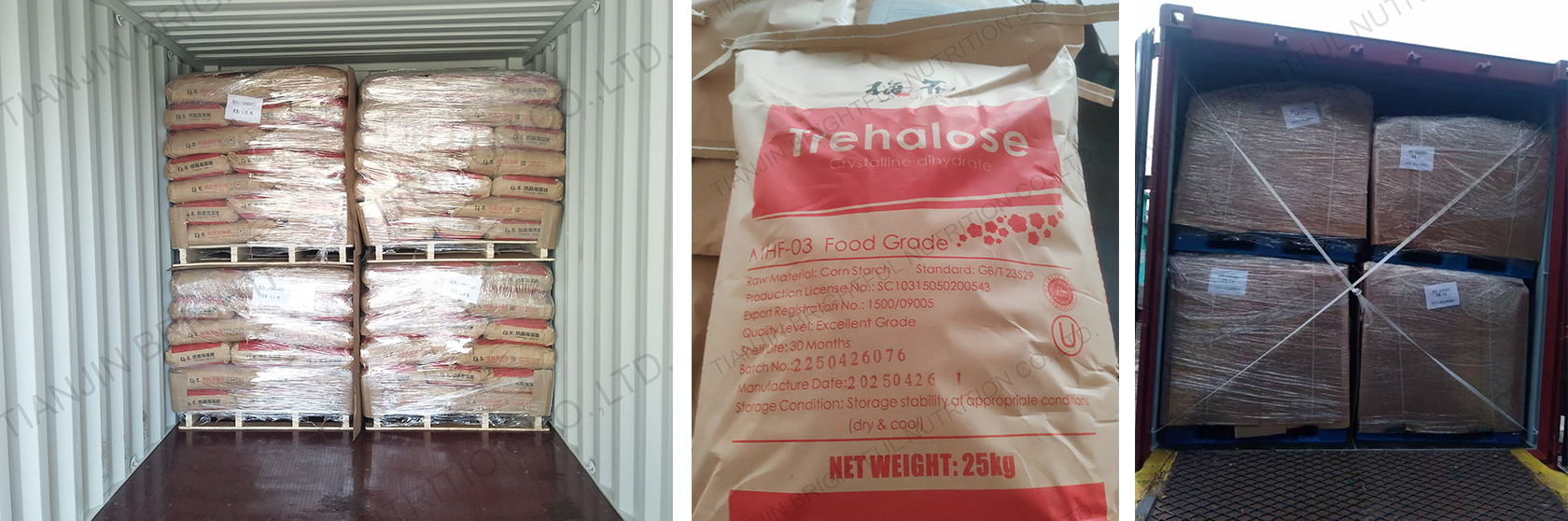
Product Packaging
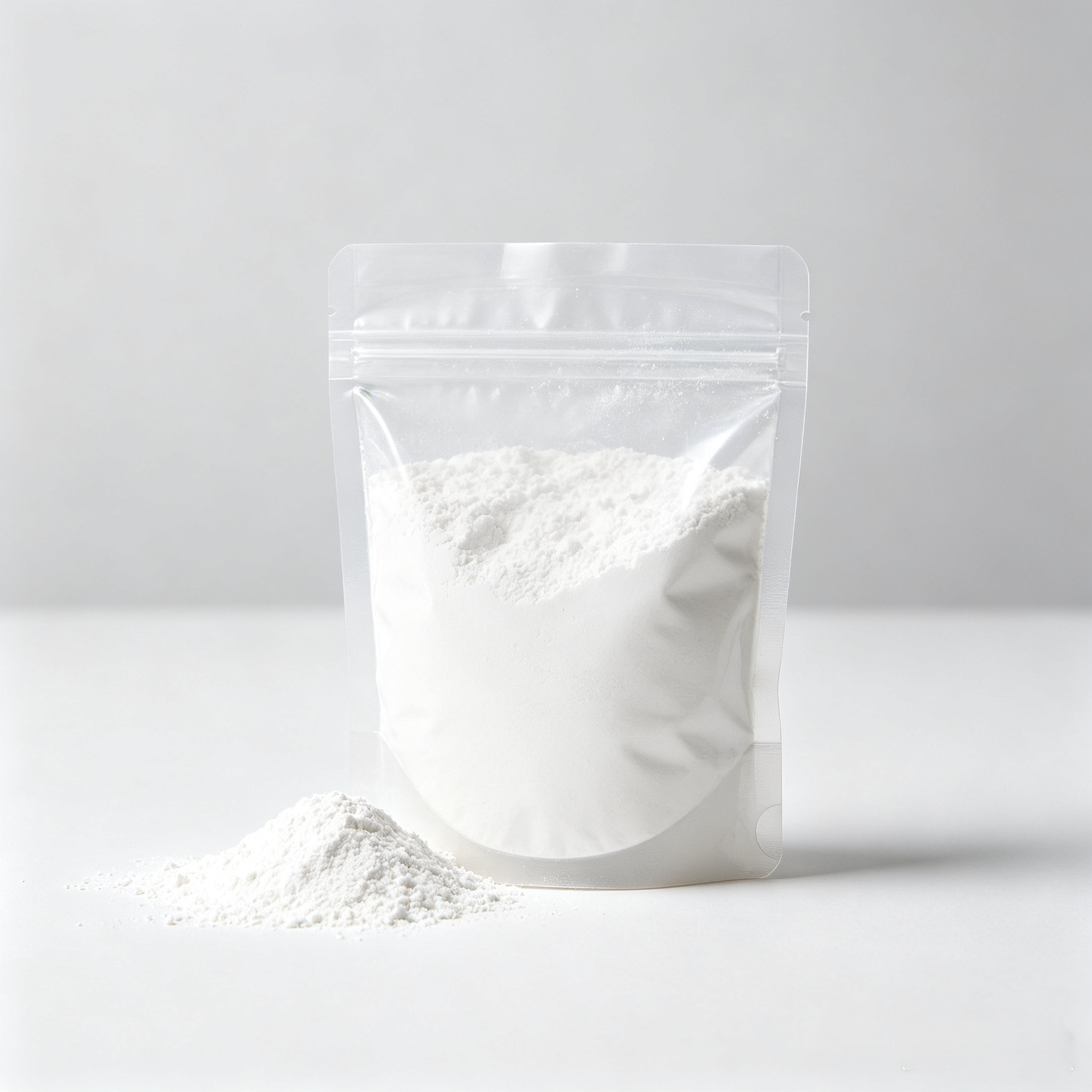
Standard export packaging: 25 kg net per bag
● Food-grade inner polyethylene liner
● Outer Paper-plastic composite bag
● Effectively prevents moisture uptake during storage and transportation
FAQ
Get a Quote