
What Is Natural Glutamate and Where Can Buyers Source It?
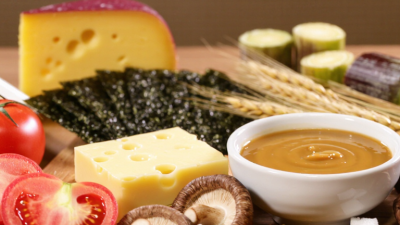
Natural Glutamate is starting to get some buzz—especially as food makers look for familiar, fermentation-based ingredients with clear sourcing stories. It's actually a naturally occurring amino acid. You'll find it in things like tomatoes, mushrooms, aged cheese, seaweed, and fermented foods. And that savory taste? That's what we know as umami.
You know, Professor Ole G. Mouritsen—one of the go-to experts on umami—once put it pretty simply: 'Umami is the taste of deliciousness.' And honestly, that one line says a lot about why buyers dig into Natural Glutamate way beyond whatever’s printed on the label. They’re after flavor that shows up reliably, quality that stays consistent, and a supply chain they can actually trace.
So, most commercial Natural Glutamate ingredients actually come from controlled fermentation. Depending on the producer, the sugar source might be corn, sugar cane, wheat, or tapioca. If you're buying, it's a good idea to ask for the manufacturing description, country of origin, certificate of analysis, allergen statement, and microbiological results. And depending on the market, you might also need non-GMO, organic, vegan, or halal documentation.
Honestly, supplier transparency is a big deal. You can't just rely on a “natural” label—that alone doesn’t tell you much. What counts as natural can vary quite a bit from one country to another, and even between product categories. So, as a buyer, it’s worth checking how that ingredient is actually classified legally in the market you’re targeting. And don’t forget the practical stuff too: purity, moisture, how it performs in your application, packaging, lead times, and minimum order quantities.
You’ll find some suppliers give great technical support. Others? They might send you nice-looking samples, but the documentation is, well, not so great. That difference really matters. So a practical way to evaluate them is to do some bench testing—think soups, sauces, snacks, or plant-based foods. Because taste can shift once you heat it, store it, or blend it with salt.
The market’s still evolving, and honestly? Not every claim out there is crystal clear. So when it comes to sourcing, being careful is usually the safer bet. In this article, we’ll look at what “Natural Glutamate” actually means, how it’s made, and where qualified buyers can find it from responsible sources.
Read more »