
Methyl Cellulose (MC) Thickener and Stabilizer Powder
description1
Product Description
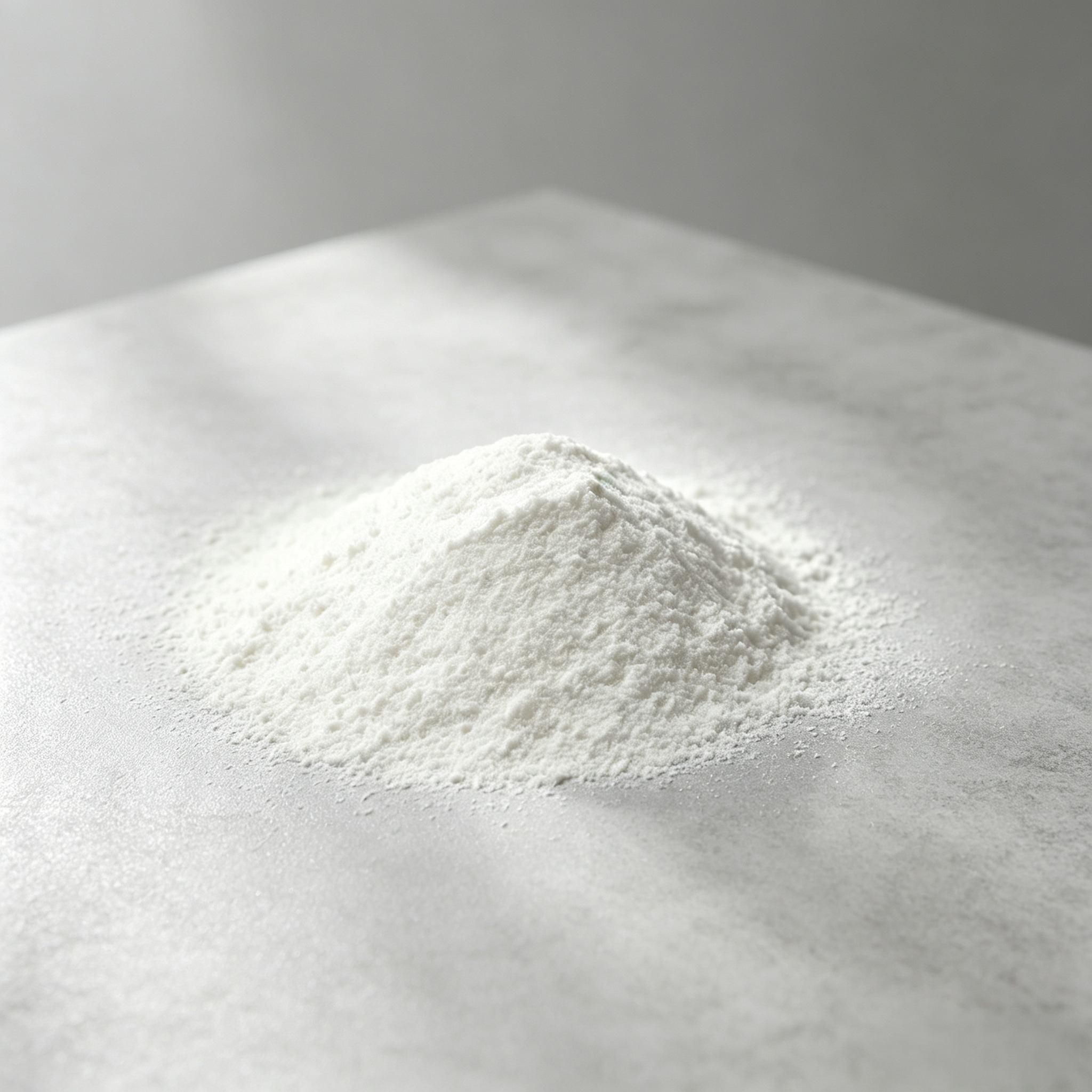
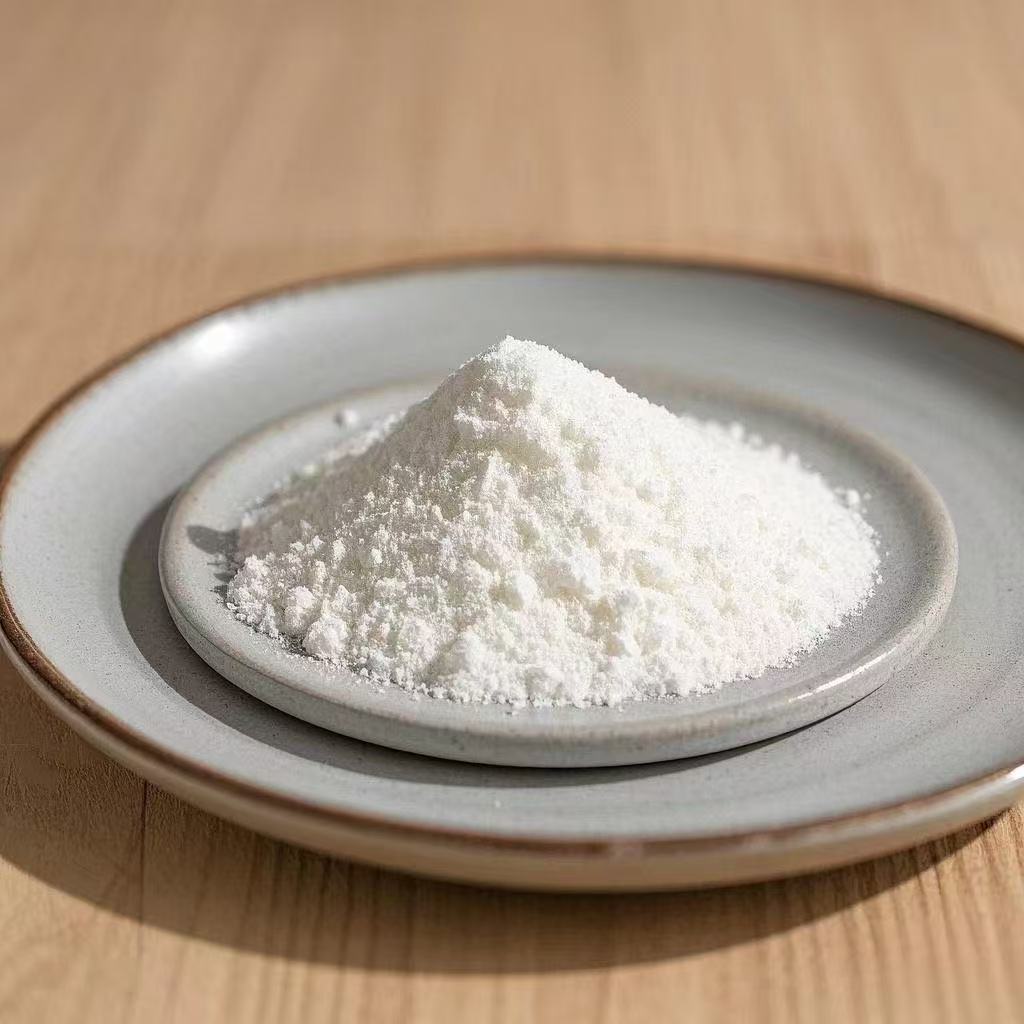
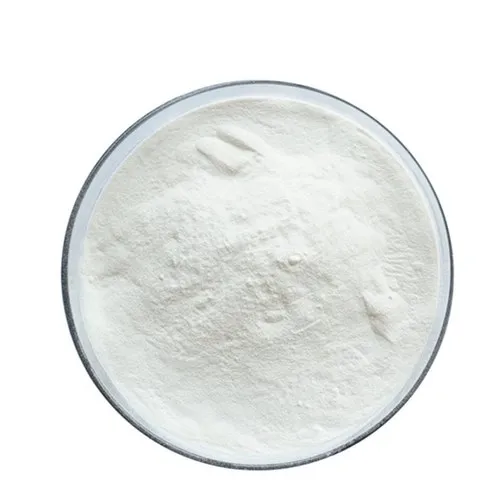
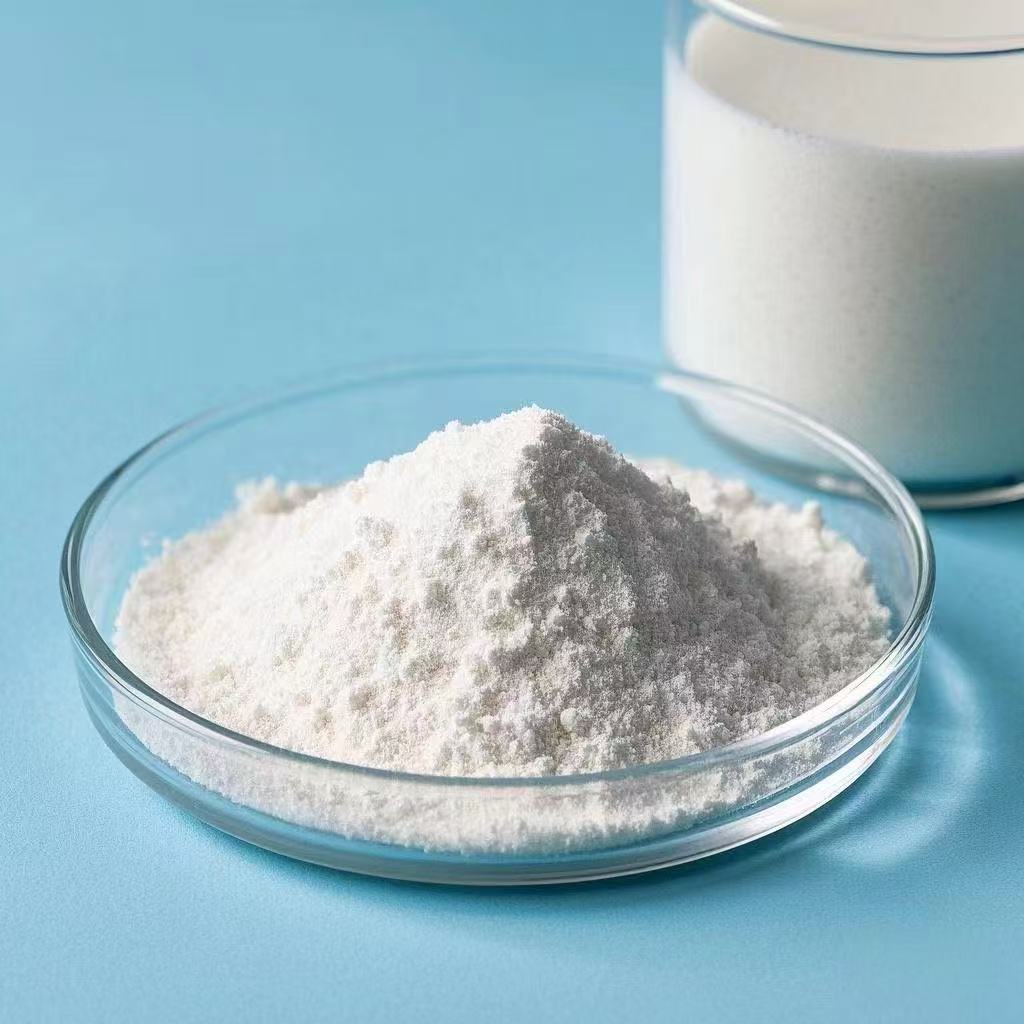
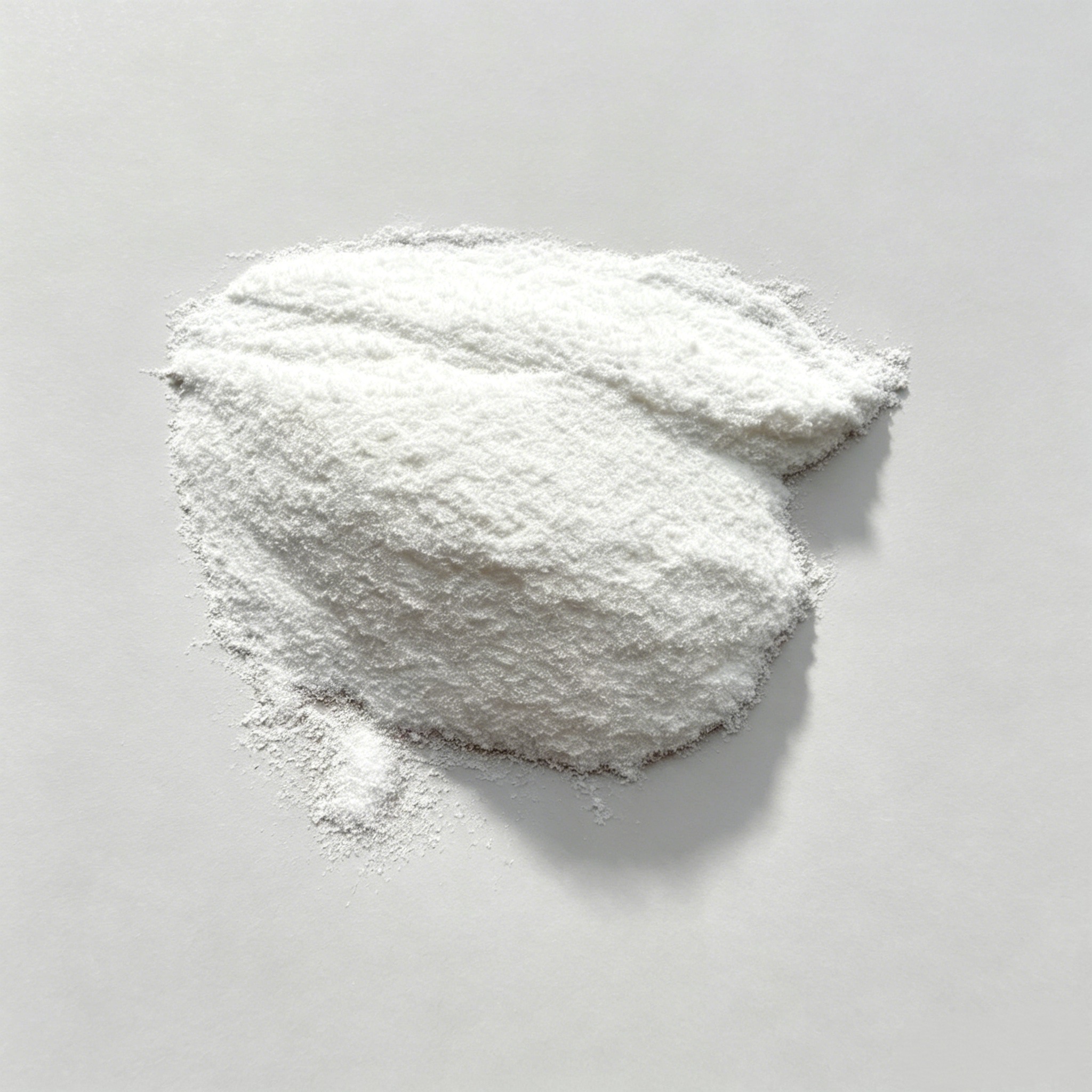
Methyl Cellulose (MC) is a water-soluble cellulose ether widely used in food, pharmaceutical, and industrial applications. It functions as an effective thickening, binding, and stabilizing agent in various formulations. When dispersed in water, MC forms a clear solution that provides excellent viscosity control and film-forming capability. One of its unique properties is thermal gelation, allowing it to form gels when heated and return to liquid form upon cooling. This characteristic makes it particularly valuable in food processing and technical formulations. With consistent quality and reliable performance, Methyl Cellulose is widely used to improve texture, stability, and processing efficiency.
Technical Parameters
|
Item |
Standard |
|
Sensory Test |
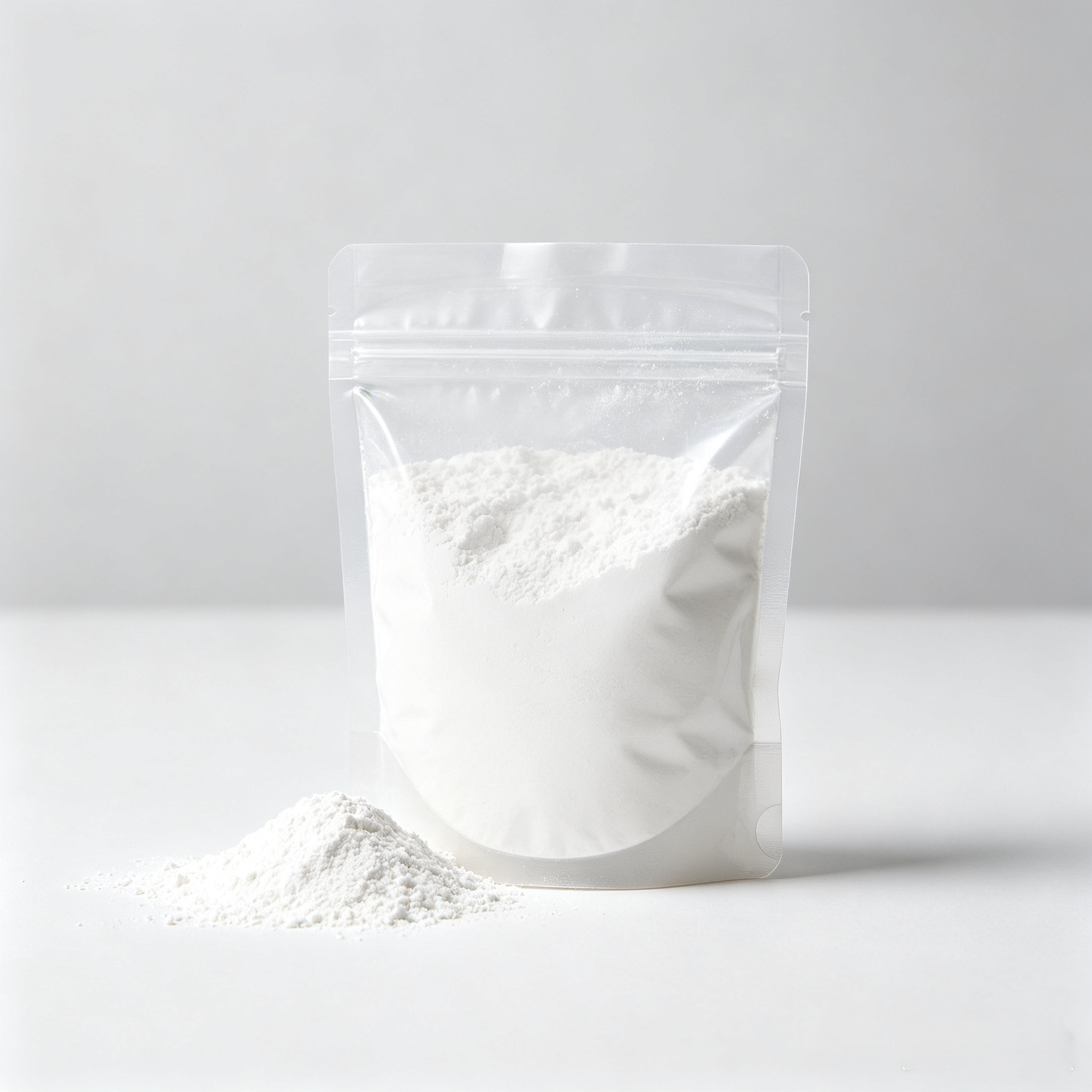
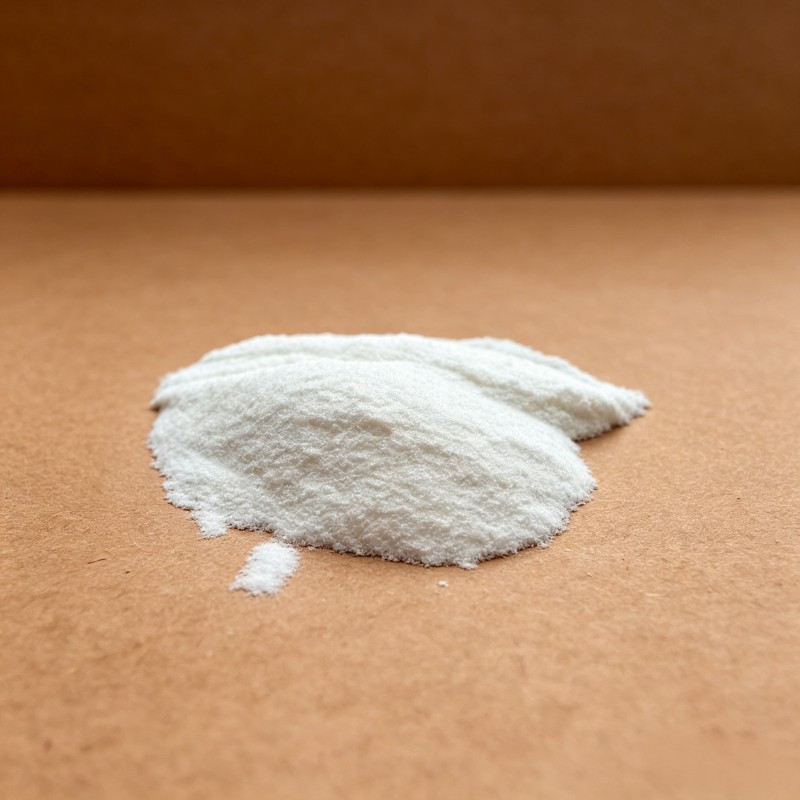
White powder or granules |
|
Viscosity |
As per request |
|
Loss on drying |
≤5.0% |
|
Residue on ignition |
≤1.5% |
|
pH |
5.5 ~ 8.0 |
|
Heavy Metals |
≤20ppm |
|
Arsenic |
≤3ppm |
|
Total Bacterium |
≤1000CFU/g |
|
Mold |
≤100CFU/g |
Product Benefits / Applications
● Efficient Thickening Performance– Enhances viscosity and improves product consistency.
● Thermal Gelation Property– Forms gels when heated, useful for controlled texture applications.
● Water Retention Ability– Helps maintain moisture and improves product stability.
● Excellent Film Formation– Suitable for coatings and binding in multiple formulations.
● Wide Compatibility– Works well with different ingredients in food and pharmaceutical systems.
● Processing Stability– Maintains reliable performance across a broad range of temperatures and conditions.
Typical Applications & Recommended Dosage
|
Application Area |
Product Type |
Application Focus |
Typical Dosage* |
|
Food Processing |
Thickener and Stabilizer |
Improve viscosity, texture, and moisture retention |
0.3–1.5% |
|
Bakery Products |
Structure Modifier |
Enhance dough stability and product softness |
0.2–1.0% |
|
Meat Alternatives |
Texture Enhancer |
Provide binding and gel formation during heating |
1.0–3.0% |
|
Pharmaceutical Tablets |
Binder / Film Former |
Improve tablet structure and coating properties |
1.0–5.0% |
|
Industrial Formulations |
Rheology Modifier |
Control viscosity in coatings and technical systems |
0.5–2.0% |
*Dosage may vary depending on specific formulation and processing conditions.
Product Packaging
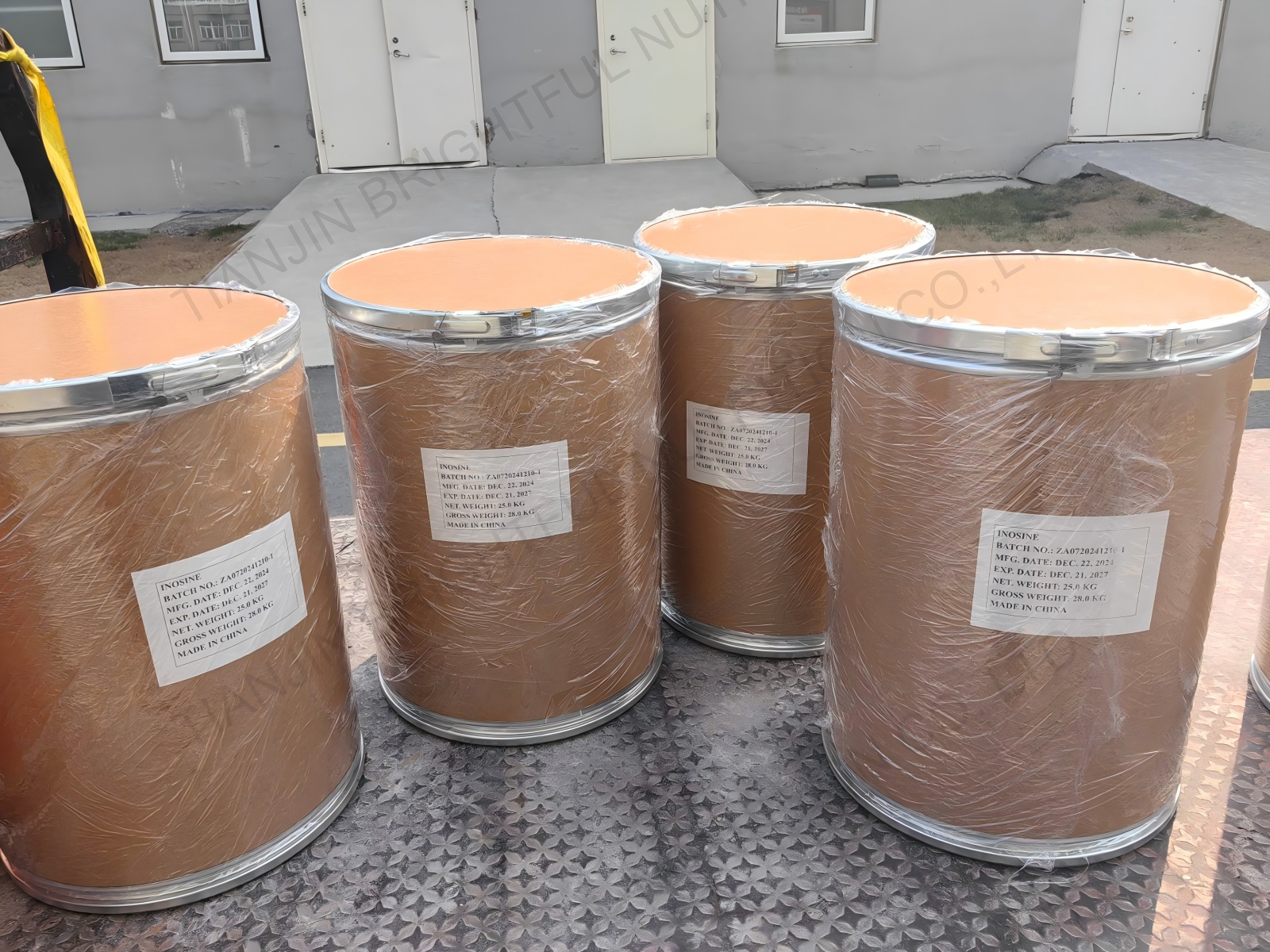
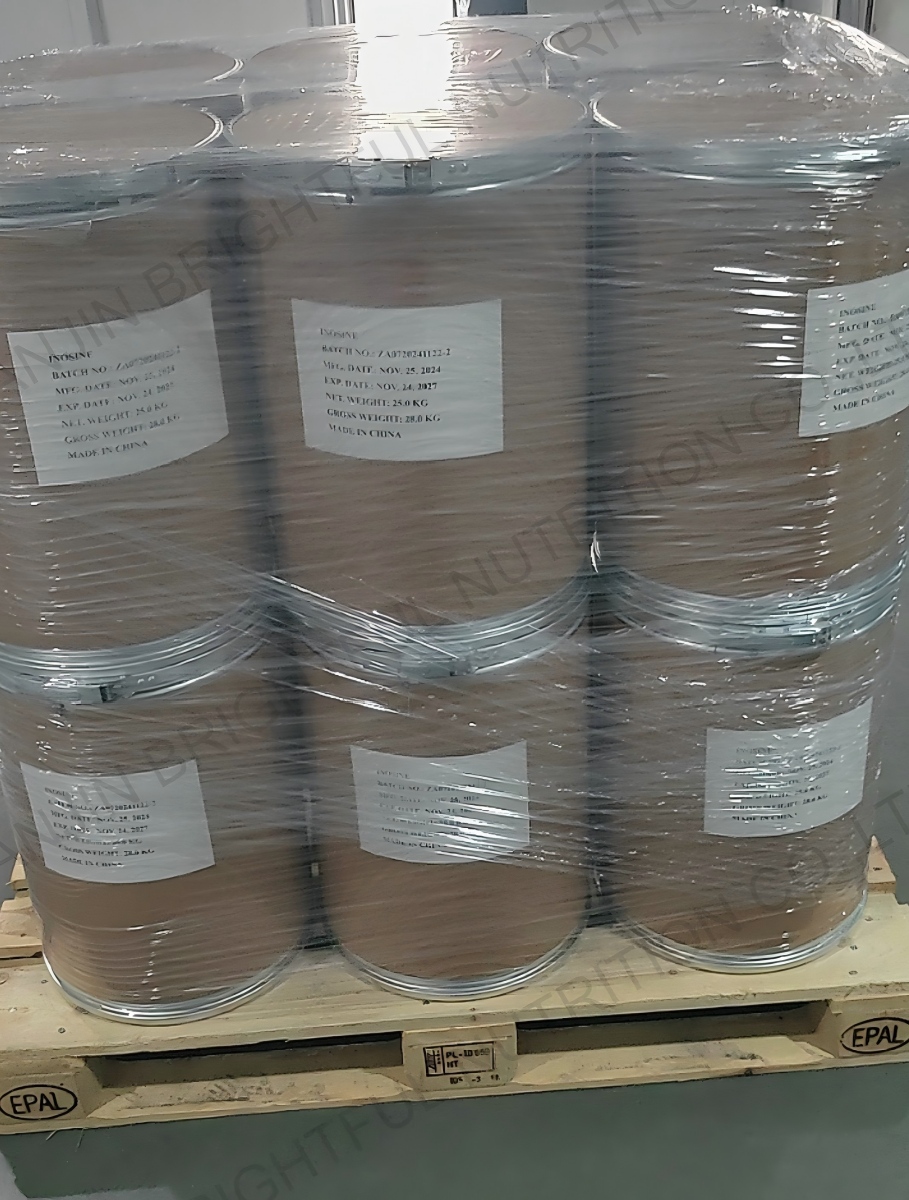
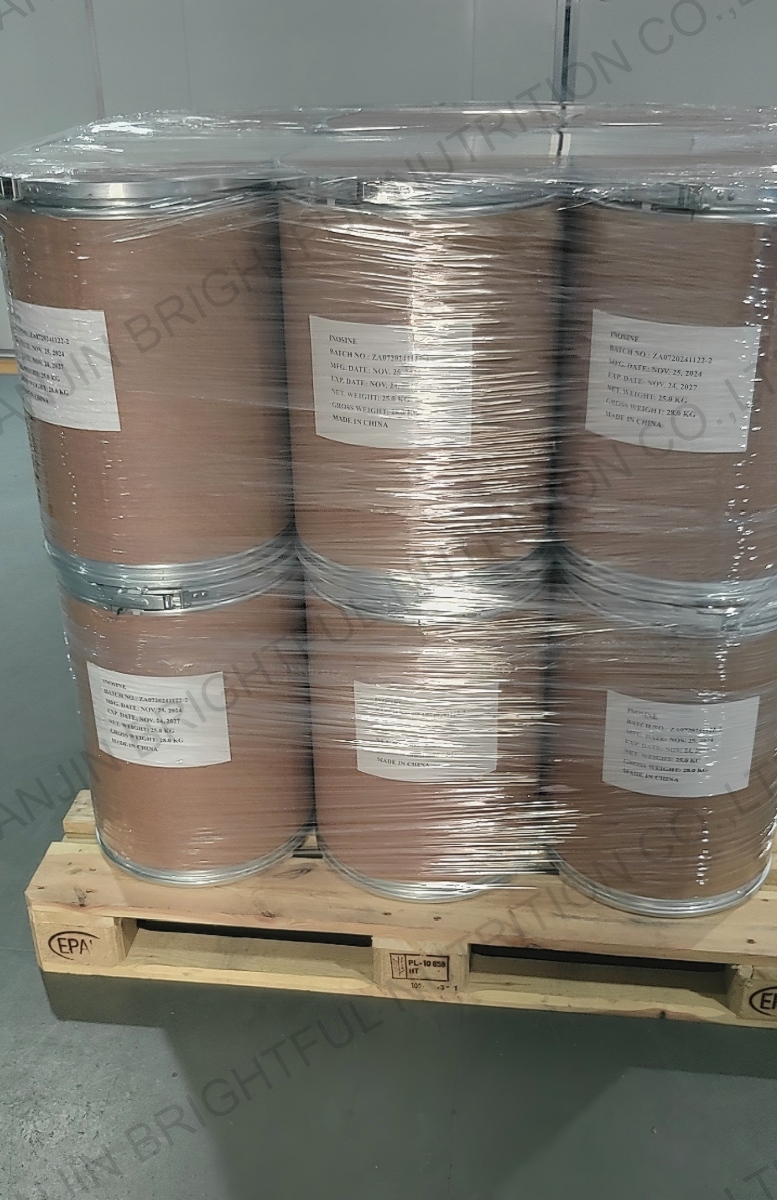
Methyl Cellulose is packed in durable 15 kg fiber drums designed to protect the product from moisture and external contamination. Each drum includes a sealed inner liner to maintain product quality during storage and transportation, ensuring safe and stable delivery for global customers.
FAQ
Get a Quote