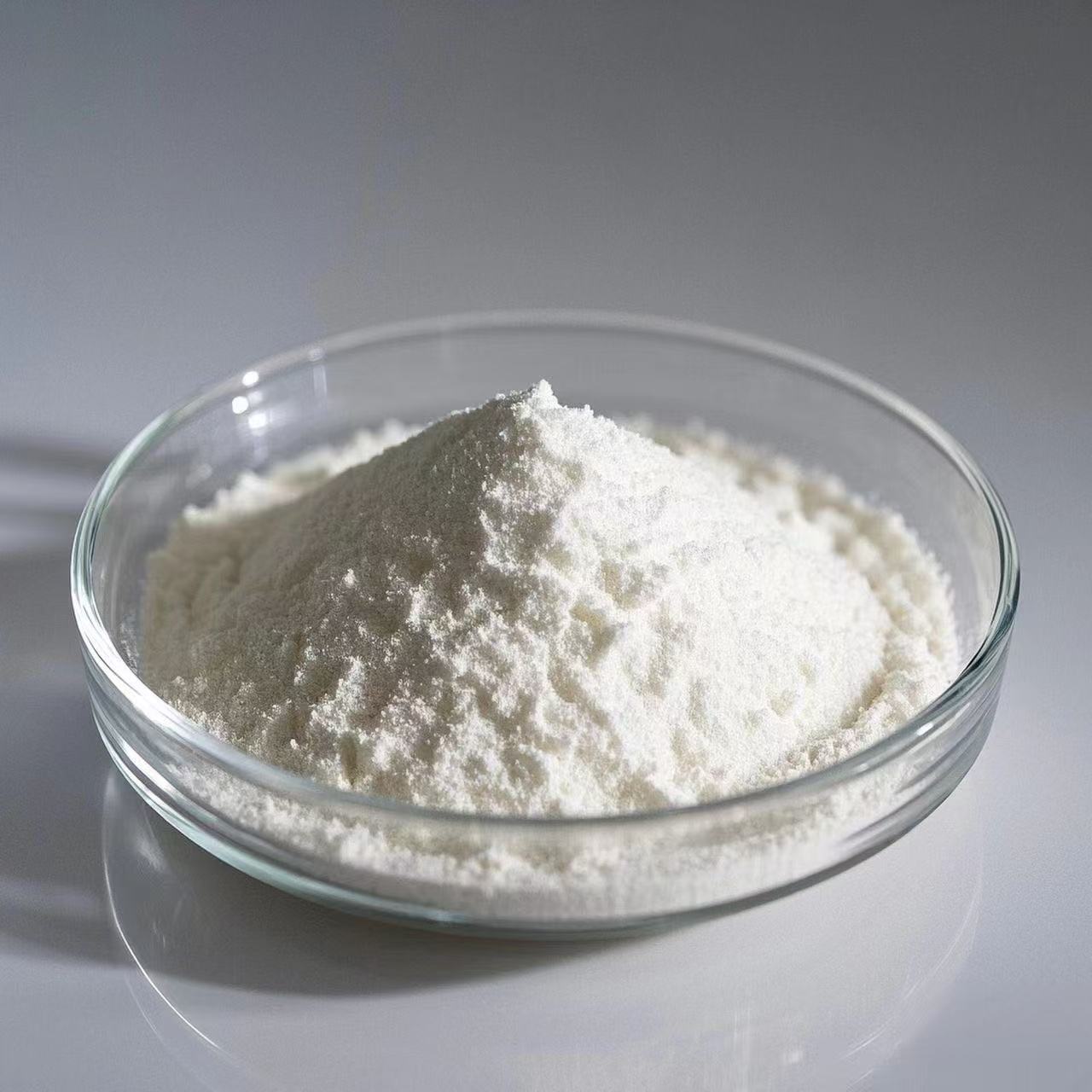
Industrial and Clinical Applications: Leucine as a Specialized Brain Nutrient
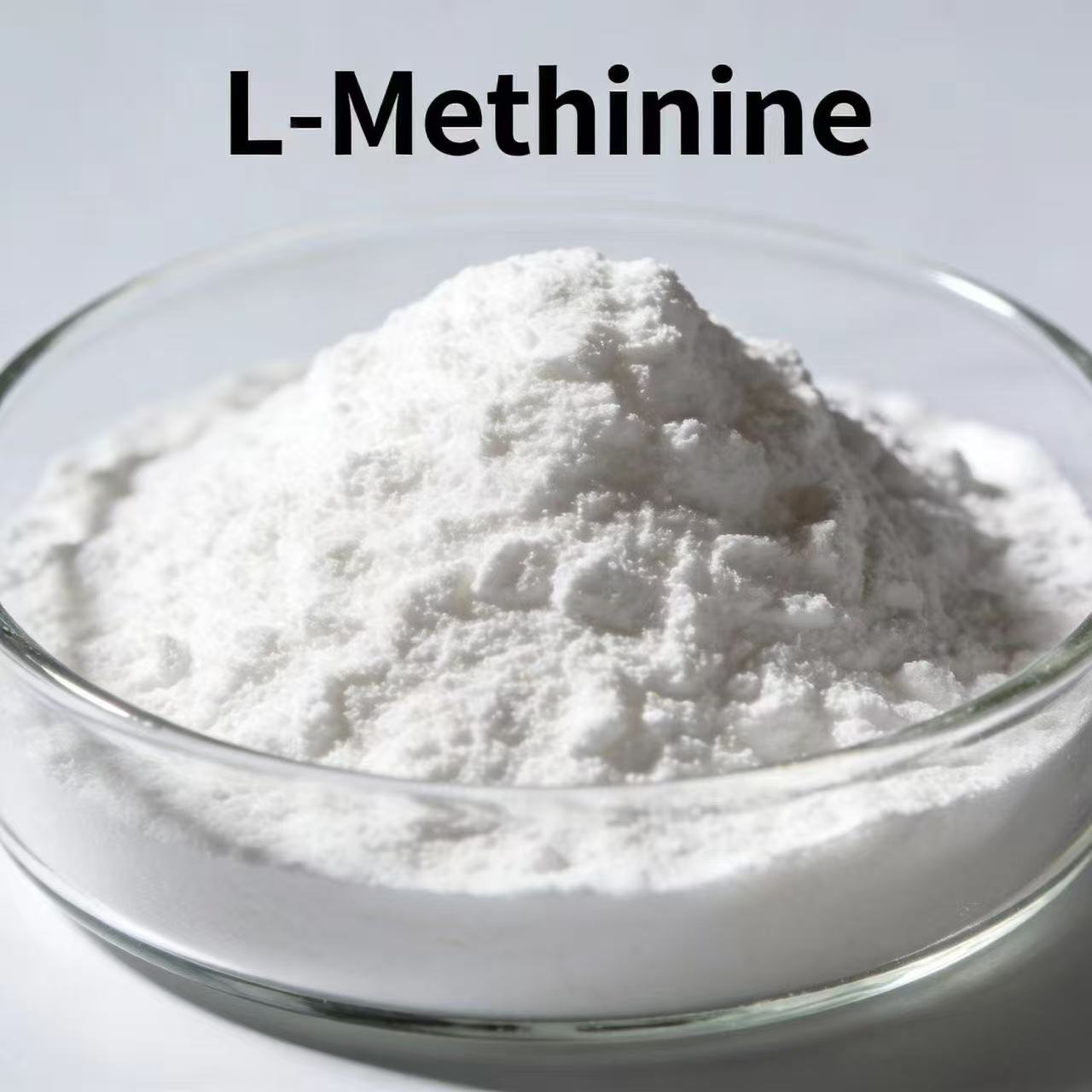
In the evolving domain of neuro-nutrition, L-leucine has shifted from a staple sports recovery branched-chain amino acid (BCAA) into an indispensable therapeutic compound for central nervous system (CNS) health and cognitive longevity. Modern biochemical analysis demonstrates that the brain requires a precise pool of branched-chain amino acids to govern amino acid turnover, neurotransmitter balance, and cerebral energy metabolism. The blood-brain barrier selectively maintains strict homeostasis through specialized carrier systems, where leucine exhibits exceptional affinity for the sodium-independent L-type amino acid transporter 1 (LAT1).
From an industrial perspective, global demand for pharmaceutical-grade and USP-grade L-leucine in cognitive formulas is accelerating. Driven by increasing incidences of age-related cognitive impairment, chronic psychological stress, and the rapid expansion of the active nootropic market, ingredient manufacturers must satisfy ultra-pure criteria. Industrial bio-fermentation processes utilizing non-GMO microbial strains have revolutionized the production of clean, hypoallergenic L-leucine powders. These formulations guarantee trace-level impurity limits, non-detectable endotoxins, and optimum particle dispersion necessary for complex clinical enteral diets and cognitive dietary supplement dry blends.
The Muscle-Brain Crosstalk: Sarcopenia, Leucine, and Cognitive Preservation
Recent research illuminates the critical cross-talk along the "muscle-brain axis." Skeletal muscle serves as an endocrine organ that produces neuroprotective myokines such as brain-derived neurotrophic factor (BDNF) and irisin during metabolic activity. Leucine is globally renowned as the primary nutritional switch for muscle protein synthesis (MPS) via the phosphorylation of ribosomal protein S6 kinase (p70S6K) and 4E-BP1 within the mTOR signaling cascade. By safeguarding muscle mass and preventing sarcopenic muscle wasting in aging populations, bioavailable L-leucine indirectly shields the cerebral vascular bed and reduces neuroinflammatory markers.
Furthermore, clinical studies reveal that systemic leucine administration helps preserve cognitive acuity in older demographics. Sarcopenia and cognitive decline often present comorbidly in elderly cohorts. When muscle tissue breaks down, systemic inflammatory cytokines (e.g., IL-6 and TNF-α) rise dramatically, traversing the compromised vascular endothelium of the aging brain and triggering microglial activation. By sustaining positive nitrogen balance and muscle mass, L-leucine administration maintains metabolic reserve, stabilizing glycemic fluctuation and mitigating the systemic inflammation that accelerates neurodegenerative processes.
Nootropic Stacks and High-Performance Mental Endurance
Beyond clinical gerontology, L-leucine has gained strong momentum across the commercial nootropic and functional beverage sectors. In sustained cognitive tasks—such as demanding executive decision-making, extended gaming, or intense technical work—cerebral tryptophan uptake can escalate, generating elevated serotonin levels that precipitate central mental fatigue and sleepiness. Because leucine directly competes with L-tryptophan and L-tyrosine for the shared LAT1 transporter across brain capillary endothelial cells, optimized ratios of bio-fermented leucine can attenuate excessive tryptophan brain influx during stressful prolonged mental exertion.
Consequently, formulators are engineering sophisticated "nootropic stacks" that couple USP-grade L-Leucine with neuro-supportive amino acids such as L-Glutamine, L-Serine, L-Tyrosine, and Alpha-GPC. Glutamine and Serine supply the necessary precursors for synaptic plasticity and myelin maintenance, while Leucine serves as the cellular activator that promotes protein synthesis within dendritic spines. This dual metabolic action provides steady cellular energy, improves mental clarity, and supports neurotransmitter resilience without relying on central nervous system stimulants.