So, ever wonder why people go for amino acid supplements when they’ve got plenty of protein-rich foods around? Honestly, a lot of the time, it boils down to practicality. A powder or a quick-to-make drink can easily tuck into your gym bag or fit into a hectic workday. Plus, if you're short on time when it comes to meals, these little options can be a lifesaver. Some folks also look for certain amino acids or prefer products with simple serving instructions—because, let’s be honest, convenience matters. That said, taking a supplement isn't always necessary. Its worth really depends on your diet, goals, health status, and what kind of product you’re choosing.
People often compare ingredient lists, serving sizes, flavors, prices, and the quality info before hitting ‘buy’. And if someone has a health condition, takes meds, or follows a specific diet, they might even chat with a dietitian or another health pro first. Be sure to read labels carefully—those marketing claims can sometimes sound way more confident than supported by real evidence. Claims about muscle recovery or boosting performance should be taken with a grain of salt; results can vary, and supplements don’t replace balanced meals, staying hydrated, or consistent training. It’s easy to overlook that important distinction.
Some purchases are purely about convenience, but others come with expectations that might need a second look. A good guide should explain what’s inside these products, why people consider using them, and what questions to ask yourself before deciding. A bit of skepticism can actually be pretty helpful here.
Amino acids are the small units that form dietary proteins. The body uses them to build and maintain tissues and to make other compounds. Of the 20 commonly discussed amino acids, nine are essential: food must supply them because the body cannot make enough. That distinction is easy to miss. Amino Supplements may provide individual amino acids in free form, or peptides and amino acids from broken-down protein. The label matters; these formats are not identical.
The International Society of Sports Nutrition’s 2017 position stand reports a daily protein range of 1.4–2.0 grams per kilogram of body weight for exercising people. It also describes roughly 20–40 grams of protein per serving as a useful range in that context. These figures concern total protein intake, not a universal target for amino acid pills. Needs vary with diet, training, age, and health. A supplement can be convenient when a meal is impractical, but it does not automatically improve an already adequate diet. Small detail, real impact: check the amount per serving and which amino acids it actually provides. A tidy label can still leave questions.
Adult daily requirements for essential amino acids
Amino acids are the building blocks of proteins. Adults need nine essential amino acids from food because the body cannot make enough of them. Supplements can provide amino acids in free form or as part of protein, offering a convenient way to add them to a diet. The chart shows estimated adult requirements per kilogram of body weight per day—not recommended supplement doses. Individual needs vary, and a balanced diet can supply these amino acids.
Source: WHO/FAO/UNU, Protein and Amino Acid Requirements in Human Nutrition (2007).
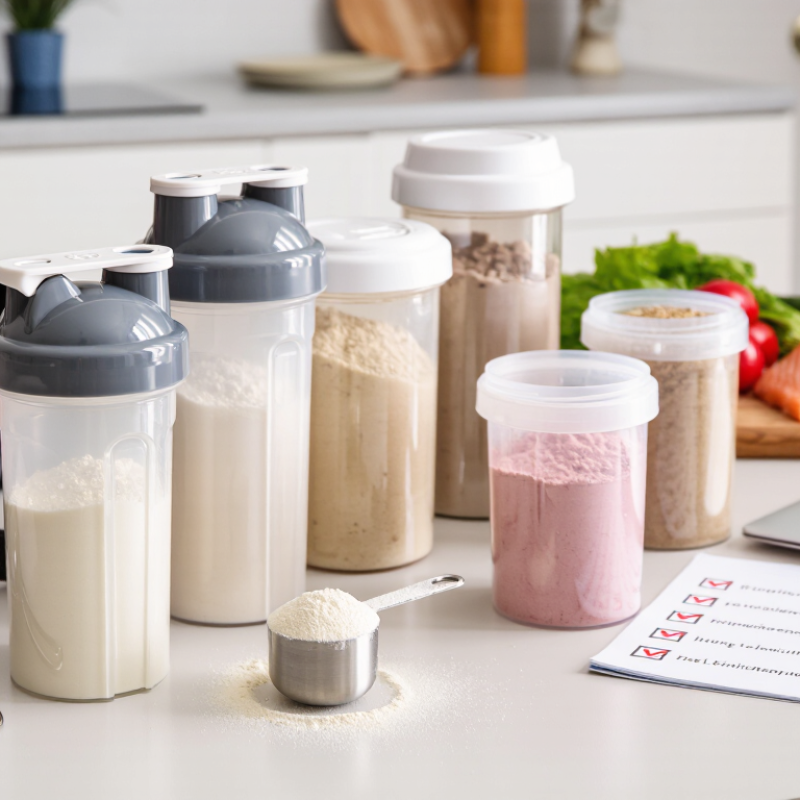
Common amino acid supplements include essential amino acid (EAA) formulas, branched-chain amino acids (BCAAs), and single-amino-acid products. EAAs provide the amino acids the body cannot make on its own. BCAA formulas contain leucine, isoleucine, and valine, often as a flavored powder mixed into a shaker bottle. The label matters. BCAAs are only part of the essential amino acid group, so they are not interchangeable with a complete EAA formula. People also get amino acids from ordinary protein foods, which may make a supplement unnecessary for some diets.
Single-amino-acid products often feature glycine or glutamine, while blends combine several ingredients in one serving. “Gly Amino Acid” usually refers to glycine; Gly is its standard three-letter abbreviation. Check the ingredient panel for the actual form, amount per serving, and added sweeteners. A scoop can look simple, but formulas differ. Claims about a specific benefit should be weighed against reliable evidence, not just product wording. Anyone with a medical condition, pregnancy, or regular medication use should ask a qualified health professional before adding a supplement. It is easy to overlook that step.
Why Do Buyers Choose Amino Acid Supplements?
Reasons Buyers Consider Amino Acid Supplements
Buyers consider amino acid supplements for different reasons, including busy schedules, specific eating patterns, and interest in supporting exercise nutrition. Amino acids are components of protein, but a supplement is not automatically necessary when someone already gets enough protein from food. That detail matters. A shopper might compare the amino acid profile, serving size, allergens, sweeteners, and price before choosing. For example, a powder that mixes easily in a water bottle may suit someone who travels, while another buyer may prefer capsules. Convenience is practical, not proof of greater benefit.
Some people look for a particular ingredient, such as Serine Amino Acid, after reading about its role in the body. The value of that choice depends on a person’s diet, health, and goals; a label alone cannot show whether a product is suitable. Evidence also varies by ingredient and intended use. Check the full ingredient list and serving directions, and look for credible quality testing where available. If you have a medical condition, take medication, or are unsure about supplementation, ask a qualified health professional. The decision is not always neat: a product can look appealing, yet offer little reason to buy once its claims and cost are examined.
| Reason for considering a supplement | Who may consider it | Why amino acids are relevant | Evidence-aware perspective | What to check before buying |
|---|---|---|---|---|
| Support for muscle protein synthesis | People doing resistance training or other regular exercise | Essential amino acids are required to build body proteins. Leucine, one of the branched-chain amino acids, plays a role in signaling muscle protein synthesis. | Amino acids contribute to normal protein metabolism, but a supplement is not automatically more effective than meeting protein needs through food or complete-protein sources. | Consider total daily protein intake and the amount of essential amino acids per serving. Avoid assuming that leucine alone supplies all amino acids needed for protein building. |
| Convenience around workouts | Active people who want a portable option when a meal is not practical | Amino acid products can provide amino acids in a compact, ready-to-mix format. | Convenience may be useful, but timing is only one part of nutrition. Overall food intake, training, recovery, and adequate protein matter too. | Check serving size, ingredient list, added sugars, and whether the product fits into the person’s overall diet. |
| Interest in branched-chain amino acids (BCAAs) | Buyers specifically looking at products containing leucine, isoleucine, and valine | These three amino acids are essential and are naturally present in many protein-containing foods. | BCAAs are not a complete set of essential amino acids. Research does not establish that BCAA supplements are necessary for people who already consume adequate, varied protein. | Check whether the product provides only BCAAs or a broader amino acid profile, and compare it with ordinary dietary protein sources. |
| Dietary preferences or limited food choices | People whose food choices are restricted by preference, availability, or routine | Amino acids are components of dietary protein, which can come from both animal and plant foods. | A supplement may be one option, but it does not replace a balanced diet. Planning meals with suitable protein-containing foods can also help meet nutrition needs. | Review the ingredient source and allergen information, and consider whether the product is appropriate for the person’s dietary pattern. |
| Interest in a targeted nutrient format | Buyers comparing amino-acid-specific products with broader protein products | Different amino acids have distinct roles in the body; nine amino acids are considered essential because the body cannot make enough of them. | Specific formulations are not interchangeable, and the benefits depend on the ingredients, diet, and individual circumstances. More is not necessarily better. | Read the full Supplement Facts panel, check amounts per serving, and be cautious of broad performance or health claims. |
| Personalized nutrition or health considerations | People with medical conditions, medication use, or specific nutrition concerns | Individual needs and the suitability of supplements can vary; dietary supplements may interact with medicines or be inappropriate in some situations. | Product information alone cannot determine whether supplementation is suitable for a particular person. | Consult a qualified healthcare professional before use when pregnant, managing a medical condition, taking medication, or choosing supplements for a child. |
Evidence references: NIH Office of Dietary Supplements: Exercise and Athletic Performance; International Society of Sports Nutrition position stand: protein and exercise. This table provides general information, not individualized medical advice.
A buyer’s intended use often matters more than a product’s flavor or format. Someone training between work shifts may want a portable powder, while another person may look for an easy-to-measure serving to add to a drink. The detail matters. The Council for Responsible Nutrition’s 2023 Consumer Survey found that 74% of U.S. adults had used supplements. That broad figure does not explain amino acid use, but it shows how common supplement routines have become.
For exercise goals, buyers may compare amino acid blends with complete protein products. The International Society of Sports Nutrition’s 2017 position stand places typical daily protein needs for exercising people at 1.4–2.0 grams per kilogram of body weight. That context can help shoppers assess whether a standalone amino acid product fits their wider diet. Leucine Amino Acid is often highlighted because leucine plays a role in muscle protein synthesis. Still, a single ingredient is not a shortcut around adequate food, training, or recovery.
Other intended uses call for different questions: Is the serving clear? Can it be taken comfortably? Does the label disclose amounts per serving? A busy commuter might care more about a small scoop and simple mixing than a long ingredient list. I would not assume that “more amino acids” means better value; that’s an easy mistake. Research findings also do not guarantee the same result for every person.
Buyers comparing amino acid supplements often start with the serving label. They check the amount of each amino acid, serving size, and whether the formula lists essential amino acids individually. A product’s total grams can be misleading if the blend hides its proportions. Small print matters.
The Council for Responsible Nutrition’s 2024 Consumer Survey found that 75% of U.S. adults use dietary supplements, while 55% use them regularly. The survey covers supplements broadly, not amino acids specifically, but it shows why clear labeling matters.
Buyers may also compare price per serving, flavor, sweeteners, allergens, and independent quality testing. A certificate can support quality checks; it does not prove a supplement will work for every person. Needs differ.
Training routines, diet, and health conditions can affect what is appropriate, so buyers should be cautious with dramatic performance claims. NIH’s Office of Dietary Supplements advises consumers to review supplement labels and discuss products with a health professional. That step is easy to skip. It shouldn’t be.
Some labels still make comparisons awkward, especially when serving sizes differ.
Amino acid supplements appeal to buyers because they seem precise: a scoop promises a measured dose without a full meal. Yet the evidence depends on diet and training. The International Society of Sports Nutrition’s 2017 position stand recommends 1.4–2.0 grams of protein per kilogram of body weight daily for exercising adults. It also describes 20–40 grams of protein per serving as a practical range. These figures concern total protein intake, not proof that isolated amino acids outperform food.
The distinction matters. The NIH Office of Dietary Supplements reports that evidence for branched-chain amino acids improving exercise performance is limited and inconsistent. If meals already provide enough protein, extra amino acids may add little. The evidence is not neat. A recovery drink may feel useful after a hard session, but that experience cannot establish a measurable benefit.
Safety deserves equal care. Large doses may cause nausea or stomach discomfort, and long-term data for some amino acid products remain limited. People with kidney or liver conditions, or those taking medication, should ask a qualified clinician before use. Check the ingredient list and serving size; a small scoop can still deliver a concentrated dose. And labels are not a substitute for independent quality testing. That gap is easy to overlook.
They are small units that form dietary proteins. The body uses them to maintain tissues and make other compounds.
Nine of the 20 commonly discussed amino acids are essential. Food must supply them because the body cannot make enough. That distinction is easy to miss.
They may contain individual amino acids in free form, or amino acids and peptides from broken-down protein. These formats are not identical.
A commonly cited range is 1.4–2.0 grams per kilogram of body weight daily. Around 20–40 grams per serving is also described as a practical range. These figures concern total protein, not amino acid pills.
Evidence for branched-chain amino acids improving performance is limited and inconsistent. If meals already provide enough protein, extra amino acids may add little. Not always.
They can be convenient when a meal is difficult to manage. But convenience does not mean they improve an already adequate diet. That sounds precise. It may not be.
Check the serving size and the specific amino acids listed. A small scoop can still provide a concentrated dose. A tidy label can leave questions.
Large doses may cause nausea or stomach discomfort. Long-term data are limited for some products. People with kidney or liver conditions, or those taking medication, should consult a qualified clinician before use.
No. A label does not replace independent quality testing. I may be giving the label too much credit.
Amino Acid Supplements provide selected amino acids in forms such as single-amino-acid products, blends, or essential amino acid formulas. Buyers may consider them to complement their diets, support specific nutrition goals, or suit practical needs when planning meals and training routines. The intended use can shape the choice: someone seeking a broad profile may compare a blend, while a buyer focused on a particular nutrient may prefer a single-ingredient option.
Before purchasing, people often compare the amino acid profile, serving size, ingredient list, product form, and cost. They may also look for clear labeling and reliable quality information. Supplements are not a substitute for a balanced diet, and their benefits can vary depending on diet, health, and individual goals. Evidence may be limited for some uses, while excessive intake or interactions with medicines may pose concerns. Buyers should consider their overall needs and seek qualified health advice when appropriate.