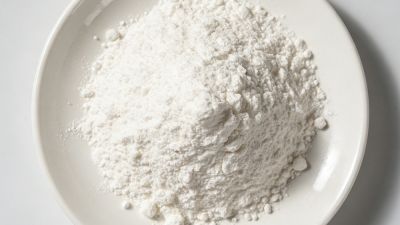
Thiamine Hydrochloride is an important form of Vitamin B1 that really plays a key role in staying healthy and nourishing our bodies. I came across what Dr. Robert Johnson, a well-known expert in nutrition at HealthNut Corp, said — he mentioned that "Thiamine Hydrochloride is essential for turning carbs into energy." Honestly, that really highlights just how vital this compound is, whether we're talking about dietary supplements or medical use.
People all over the world actually benefit from Thiamine Hydrochloride in a bunch of ways. It helps support our nervous system and keeps our energy burning smoothly. You’ve probably seen it in supplements aimed at fighting exhaustion or just helping folks feel a bit more energized overall. But here’s the thing — sometimes, people overlook the fact that taking too much of it can backfire, leading to more harm than good.
Even though Thiamine Hydrochloride is widely appreciated for its perks, there's still a lot to learn about it. Some people might not fully grasp how important it is or what the right dosage should be. Spreading more awareness about why this stuff matters, and how to use it properly, could really help improve health outcomes. In a nutshell, Thiamine Hydrochloride has a lot of potentials, but we gotta be careful and educated about how we include it in our routines.
Thiamine Hydrochloride: An Overview of Its Properties and Benefits
Thiamine Hydrochloride, also known as vitamin B1, plays a crucial role in human health. Its benefits are supported by various studies. According to the World Health Organization, thiamine deficiency can lead to serious health issues, including Beriberi and Wernicke-Korsakoff syndrome. Thus, ensuring adequate intake is essential for preventing these conditions.
The compound serves multiple purposes in the food and supplement industries. Its role as a preservative enhances food stability, while its inclusion in animal feed promotes growth. Research indicates that adding Thiamine Hydrochloride to dietary formulations can increase the overall health of livestock, improving productivity. Moreover, in the pharmaceutical industry, it is a key ingredient in treatments for neurological disorders.
Yet, not all consumers are aware of Thiamine Hydrochloride's significance. Awareness campaigns could help bridge this knowledge gap. Recent surveys show that over 40% of people lack understanding of vitamin B's importance. This suggests a need for further education on the benefits of vitamin supplementation and dietary sources. Overall, increasing public awareness and access to information about Thiamine Hydrochloride remains a critical task.
Nutritional Importance of Thiamine Hydrochloride in Human Health
Thiamine hydrochloride, also known as vitamin B1, plays a crucial role in human health. It is essential for energy metabolism and helps convert carbohydrates into glucose. This nutrient supports brain function and protects against cognitive decline. Thiamine is vital for heart health, as it aids in maintaining proper nerve function.
Many people lack sufficient thiamine in their diets. This deficiency can lead to serious conditions such as beriberi or Wernicke-Korsakoff syndrome. Symptoms may include fatigue, irritability, and memory loss. Ensuring adequate intake is important for overall well-being.
Tips for increasing thiamine intake include consuming whole grains, legumes, and nuts. Cooking foods properly can maximize nutrient retention. Consider supplementation if dietary sources are insufficient. Always consult healthcare professionals when in doubt about your vitamin levels.
Paying attention to thiamine is essential, yet often overlooked. Many individuals may not realize how much they depend on it. Reflecting on dietary habits can reveal gaps in nutrient intake. Small changes can lead to significant improvements in health.
Common Industrial Applications of Thiamine Hydrochloride
Thiamine hydrochloride, a vital B-vitamin, has numerous industrial applications. In the food and beverage industry, it serves as a crucial nutritional supplement. Producers use it to fortify cereals, bread, and beverages. Thiamine ensures that consumers receive essential nutrients, enhancing public health.
In the pharmaceutical sector, thiamine hydrochloride plays a key role in treating deficiencies. It's a common ingredient in multivitamins. Healthcare professionals recommend it to prevent neurological disorders associated with thiamine deficiency. The stability of this compound makes it a reliable choice in formulations.
Thiamine hydrochloride also finds usage in animal feed. Livestock and poultry require this vitamin for optimal growth. Farmers often incorporate it to improve feed efficiency. Even so, oversupplementation can lead to adverse effects. Balancing thiamine levels is crucial in animal nutrition to avoid complications.
Top 10 Uses of Thiamine Hydrochloride in Various Industries
Thiamine Hydrochloride in Medical Treatments and Therapies
Thiamine hydrochloride, also known as vitamin B1, plays a crucial role in medical treatments. It aids in preventing and treating conditions like beriberi and Wernicke-Korsakoff syndrome. These conditions often occur due to a deficiency in thiamine. Doctors may prescribe thiamine as part of a treatment plan for patients with alcohol dependence.
Another use of thiamine is in managing diabetes. It helps regulate blood sugar levels, making it an essential supplement for some diabetic patients. In cases of diabetic neuropathy, thiamine can support nerve function, alleviating some symptoms. It’s important that patients consult healthcare professionals when considering this vitamin.
Tips: Always discuss with a healthcare provider before starting any supplement. Thiamine is generally safe but excessive doses can lead to unexpected side effects. Maintaining a balanced diet rich in thiamine can also support overall health. While thiamine is valuable, other supplements like
Berberine Hydrochloride offer unique benefits. Reflect on your needs and seek guidance for the best approach.
Role of Thiamine Hydrochloride in Animal Nutrition
Thiamine Hydrochloride plays a crucial role in animal nutrition. It is a vital vitamin that supports energy metabolism. Without sufficient thiamine, animals may experience severe health issues. Symptoms can include reduced appetite and poor growth. Livestock and pets rely on this nutrient for optimal performance.
Farmers often face challenges in ensuring their animals receive enough thiamine. Deficiencies can lead to low productivity on farms. It is important to incorporate thiamine into feed formulations properly. This requires knowledge and experience. Utilizing Thiamine Hydrochloride effectively can enhance overall health in livestock.
Moreover, thiamine interacts with other vitamins, such as
Vitamin B6 Pyridoxine Hydrochloride.
This synergy boosts nutrient absorption. Yet, balancing these vitamins requires careful planning. Some producers may overlook the importance of such combinations. A comprehensive understanding of animal dietary needs is essential. It can prevent costly mistakes and promote healthier livestock.
Thiamine Hydrochloride as a Food Additive and Preservation Agent
Thiamine Hydrochloride, commonly known as Vitamin B1, is a remarkable food additive. It plays a vital role in enhancing food quality and longevity. As a preservation agent, it helps prevent spoilage. This is particularly important for manufacturers and consumers alike.
Using Thiamine Hydrochloride can enhance the nutritional value of various products. It helps maintain the freshness of foods by inhibiting the activity of spoilage bacteria. Moreover, it can improve the flavor profile of certain dishes. Add it to processed meats or bread for better stability.
Tips: When adding it to recipes, ensure not to exceed recommended dosages. Overuse may lead to undesired effects. Remember, balance is key. Consider the existing thiamine content in ingredients. This helps avoid unnecessary supplementation. It's essential to stay informed about proper usage, especially in large-scale production.
The versatility of Thiamine Hydrochloride also extends to beverages. It can boost the nutritional content of juices and energy drinks. However, be cautious when combining it with other additives. Not all combinations yield positive results. Continuous experimentation is vital to understand its full potential.
Global Market Trends and Demand for Thiamine Hydrochloride
Thiamine Hydrochloride, a vital B vitamin, is gaining traction in the global market. It plays a critical role in energy metabolism and nerve function. This vitamin is mostly used in supplements and fortified foods. The growing awareness of nutritional deficiencies is driving demand. Many consumers seek supplements to enhance health.
Emerging trends show a rise in plant-based diets. As more people adopt these lifestyles, the need for Thiamine Hydrochloride increases. Global buyers are also looking for sustainable sourcing. This vitamin has numerous applications, including animal feed, pharmaceuticals, and cosmetics.
Moreover, individuals focus on holistic health. Many consider Thiamine Hydrochloride essential for overall well-being. The market for Pyridoxine Hydrochloride is also on the rise, as it complements Thiamine in terms of health benefits. Understanding the balance of these nutrients is crucial. Buyers must prioritize reputable suppliers to ensure quality.
Top 10 Uses of Thiamine Hydrochloride for Global Buyers
| Use Case |
Description |
Market Demand |
Growth Rate (2023-2028) |
| Nutritional Supplements |
Used to support metabolic health and energy production. |
High |
7% CAGR |
| Pharmaceuticals |
Prescribed for thiamine deficiency-related conditions. |
Medium |
5% CAGR |
| Food Fortification |
Added to processed foods to enhance nutritional value. |
High |
6% CAGR |
| Animal Feed |
Used to promote growth and improve animal health. |
Medium |
4% CAGR |
| Cosmetics |
Incorporated into skincare products for skin health benefits. |
Growing |
8% CAGR |
| Beverages |
Added to enhance nutritional content in functional drinks. |
Increasing |
5% CAGR |
| Research & Development |
Utilized in studies for neurological health. |
Moderate |
3% CAGR |
| Infant Formula |
Essential for infant dietary needs for proper development. |
High |
6% CAGR |
| Functional Foods |
Developed for specific health benefits beyond basic nutrition. |
High |
7% CAGR |
The Vital Role of Vitamin B6 Pyridoxine Hydrochloride in Nutrition and Health
Vitamin B6, also known as Pyridoxine Hydrochloride, plays a critical role in maintaining overall health and well-being. As a water-soluble vitamin, it is essential for the proper metabolism of amino acids, which are the building blocks of proteins that our bodies require for growth, repair, and maintenance. This vitamin is also integral to the synthesis of neurotransmitters, the chemical messengers that facilitate communication between nerve cells, thus supporting optimal nervous system function.
Incorporating Vitamin B6 into our diets can be particularly beneficial for those seeking to enhance their nutritional profile. It is commonly found in various foods, including fish, poultry, potatoes, and non-citrus fruits. However, for individuals unable to meet their nutritional needs through diet alone, supplements containing Pyridoxine Hydrochloride can serve as an effective alternative. By ensuring adequate intake of this vital vitamin, individuals can support their immune function, mood regulation, and overall cognitive health, thereby fostering a more balanced physiological state.
FAQS
: Thiamine Hydrochloride is also known as vitamin B1. It is essential for human health.
It prevents serious health issues like Beriberi and Wernicke-Korsakoff syndrome. Adequate intake is critical.
It acts as a preservative, enhancing food stability and preventing spoilage. This is key for quality.
Yes, including it in animal feed can boost overall health and productivity. This is beneficial for farming.
No, over 40% of people lack knowledge about vitamin B's importance. Awareness campaigns are needed.
Do not exceed recommended dosages. Overuse can lead to unwanted effects. Balance is crucial.
Yes, it can boost the nutritional content of juices and energy drinks. Be cautious with combinations.
Not all combinations yield positive results. Understanding its full potential requires ongoing exploration.
Too much Thiamine Hydrochloride may cause undesired health effects. It's essential to stay informed.
Conclusion
Thiamine Hydrochloride, a vital B-vitamin, plays a crucial role in maintaining human health due to its significant nutritional importance. It is essential for energy metabolism and nerve function, making it a critical component in dietary supplements and food fortification. The article explores various applications of Thiamine Hydrochloride, including its role in medical treatments for conditions like beriberi and Wernicke-Korsakoff syndrome, as well as its importance in animal nutrition and feed formulations.
Moreover, Thiamine Hydrochloride serves various industrial purposes, such as being used as a food additive for preservation and improving the nutritional profile of processed foods. The growing global demand for this vitamin is reflected in market trends, indicating its rising prevalence in health-conscious consumer markets. Overall, Thiamine Hydrochloride is not only a key nutrient for human and animal health but also an essential component in multiple industrial applications.