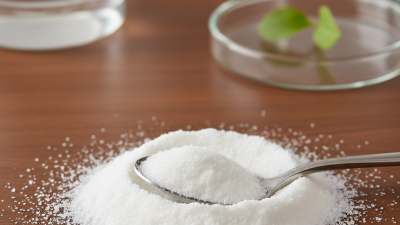
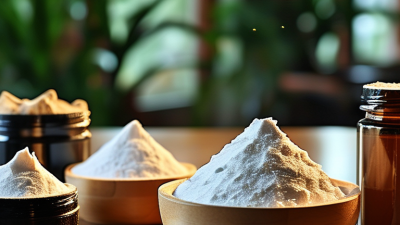
The market for Monosodium Glutamate (MSG) is huge and always changing. As Dr. Michael Smith, a well-known food scientist, puts it, "Monosodium Glutamate enhances the flavor without adding extra calories." That pretty much sums up why so many buyers around the world are interested in MSG products.
In different types of cuisine, especially in Asian cooking, MSG really does a great job at boosting flavor. Nowadays, manufacturers are offering all sorts of MSG varieties to keep up with what consumers want. But, it’s super important to pick quality brands—because not all MSG products are created equal when it comes to purity or how well they actually improve flavor.
Now, I should mention, there’s some controversy around MSG. Some folks are worried about health concerns. That’s why it’s smart to look for brands that are certified and transparent about where they source and how they produce their products. As more people look for MSG, the key is making informed choices—knowing what to look for can really help when navigating this flavor-enhancing world. In the end, being aware makes all the difference for global buyers trying to make the best decision.”
Overview of Monosodium Glutamate and Its Uses
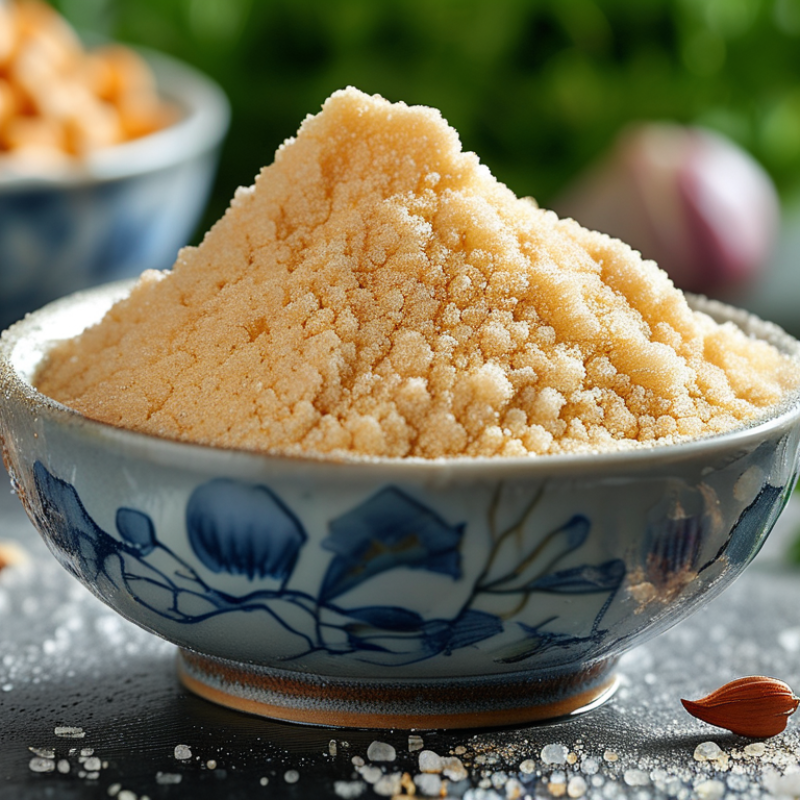
MonoSodium Glutamate, often called sodium glutamate, is a flavor enhancer used worldwide. It enhances the natural flavors of foods, making them more appealing. Often found in soups, processed meats, and snacks, it adds a savory taste known as umami. This compound is produced through fermentation, which transforms starch or sugar into flavor-rich sodium glutamate.
While sodium glutamate is generally recognized as safe, some people report sensitivity to it. Symptoms can include headaches or nausea in rare cases. This has led to ongoing discussions about its safety and use. It’s essential for consumers to be aware of these reactions and make informed choices when consuming foods containing sodium glutamate.
The versatility of sodium glutamate in culinary applications is noteworthy. It can transform simple dishes into delightful experiences. Yet, as with any ingredient, moderation is key. Relying too heavily on sodium glutamate can overshadow the natural flavors of food. It challenges chefs and homecooks alike to strike a balance between enhancing taste and maintaining ingredient integrity.
Factors to Consider When Choosing MSG Products
When selecting monosodium glutamate (MSG) products, it is essential to consider several key factors. The purity of the product is crucial. High-quality MSG should be free from impurities and additives. Analyzing the ingredient list helps consumers understand what they are purchasing. Look for products that highlight 100% MSG.
Packaging is another important aspect. Ensure that the container protects the MSG from moisture and contamination. Good packaging extends product shelf life. Consider the size of the package based on your consumption needs. Smaller packages reduce waste, while larger ones may offer better value.
Taste is subjective. Some may prefer a stronger umami flavor, while others might want a milder profile. Experiment with different products to find what suits your palate. Pricing can reflect quality, but not always. A higher price doesn’t guarantee better taste or purity. Always read reviews and seek reliable sources for feedback. Knowledge and guidance play a vital role in making informed decisions.
Top Brands Offering High-Quality Monosodium Glutamate
In recent years, the demand for high-quality monosodium glutamate (MSG) has surged globally. According to a market research report by Grand View Research, the global MSG market was valued at USD 6.95 billion in 2021 and is expected to grow at a CAGR of approximately 4.8% from 2022 to 2030. This growth reflects the rising popularity of MSG as a flavor enhancer in various food products. Buyers are increasingly seeking reputable brands that adhere to industry standards, ensuring product safety and quality.
Several brands have established themselves as leaders in the MSG market, emphasizing the use of pure ingredients and advanced production methods. High-quality MSG is often derived from natural sources, contributing to its appeal in the culinary sector. Reports suggest that consumers are becoming more knowledgeable about the nutritional aspects of food additives. This shift towards healthier and more authentic foods drives a demand for brands that prioritize transparency.
Despite its popularity, MSG continues to face scrutiny. Some consumers remain skeptical about the health impacts of MSG consumption. Research, including studies by the Food and Drug Administration (FDA), generally finds MSG to be safe when consumed in typical amounts. However, ongoing discussions in the food industry stress the need for clear labeling and consumer education. As buyers navigate the choices of MSG products, understanding the quality and sourcing practices remains essential.
Product Reviews: Features and Benefits of Leading MSG Products
Monosodium glutamate (MSG) is a common flavor enhancer used in various cuisines. Its ability to elevate umami flavors makes it popular among home cooks and chefs alike. When selecting MSG products, consider their purity and processing methods. High-quality MSG often boasts a clean, refined taste, without excessive additives. This enhances not just taste but also overall culinary experiences.
Different MSG products vary in their features. Some are available in bulk for restaurants, while others come in convenient, resealable packaging for home use. The choice of granule size can impact how quickly it dissolves in dishes. Coarser granules may take longer to incorporate, while finer powders blend easily. Each product offers unique benefits, yet several may contain additives that some consumers wish to avoid.
It's important to reflect on the health implications of using MSG. While many report no adverse effects, sensitivity varies among individuals. Therefore, experimenting with small amounts is advisable. Some might find that using natural umami sources provides a satisfying alternative. Knowing your own palate and body response will help in making informed decisions about MSG usage.
Top 10 Monosodium Glutamate Products - Feature Comparison
This chart illustrates the comparison of leading monosodium glutamate products based on several features. Each feature is rated on a scale of 1 to 10, allowing buyers to evaluate products based on flavor enhancement, solubility, natural ingredients, sodium content, and price range.
Comparative Analysis of MSG Products for Global Buyers
Monosodium glutamate (MSG) is a flavor enhancer widely used globally. Its role in culinary practices cannot be overstated. For many chefs and home cooks, it offers a savory quality that elevates the taste of various dishes. A comparative analysis helps buyers identify quality MSG products in the market.
When assessing MSG products, it is important to look for purity and sourcing. Natural Glutamate options often come from plant sources, ensuring a more natural flavor. The production process can also affect taste. Some products undergo refinement, while others maintain a closer tie to their natural origins. Buyers should consider how these factors impact flavor profiles.
Moreover, consumer preferences can vary widely across regions. Some regions prefer stronger umami flavors, while others may lean towards milder applications. This diversity creates a complex market landscape, warranting thorough research. Keep in mind that not all MSG products are created equal. Understanding individual needs can guide buyers toward suitable options, balancing quality with taste.
Consumer Safety and Regulatory Standards for MSG
Consumer safety is of utmost importance when it comes to food additives like monosodium glutamate (MSG). Regulatory bodies globally assess and monitor MSG to ensure it meets safety standards. In many countries, MSG is considered safe for consumption. However, some individuals report adverse reactions. These can include headaches and allergic responses. Understanding the nuances of MSG’s safety is crucial.
Research has shown that moderate consumption of MSG does not pose significant health risks for the general population. Yet, consumers should remain aware of their own bodies’ reactions. That said, the perception of MSG is often influenced by cultural factors. Some communities still harbor strong fears about its safety. This reflects the need for continuous education around food additives to dispel myths.
Regulatory standards vary by region. Agencies review MSG studies and make decisions based on evidence. Each country has different permissible levels for MSG. For instance, some places impose stricter limits than others. Consumers should consult reliable sources and their local guidelines. This knowledge empowers informed decisions regarding food choices.
Top 10 Monosodium Glutamate Products for Global Buyers
| Product Type |
Purity (%) |
Packaging Size |
Country of Origin |
Regulatory Compliance |
| Food Grade MSG |
99.0 |
25 kg |
China |
FDA, FSSAI |
| Seasoning Blend with MSG |
95.0 |
10 kg |
India |
ISO 22000 |
| Culinary MSG |
99.2 |
50 kg |
Vietnam |
JAS, FDA |
| MSG for Snacks |
96.5 |
20 kg |
Thailand |
HACCP |
| Natural MSG |
99.5 |
1 kg |
Japan |
EU, FDA |
| MSG Solution |
98.0 |
500 ml |
South Korea |
FDA, KOSHER |
| Dehydrated MSG Mix |
94.0 |
15 kg |
Malaysia |
FDA, HALAL |
| Organic MSG |
100.0 |
5 kg |
Spain |
EU Organic |
| MSG Granules |
97.0 |
30 kg |
United States |
FDA, QAI |
Future Trends in Monosodium Glutamate Production and Usage
The production and usage of monosodium glutamate (MSG) are evolving rapidly. This condiment plays a vital role in the global food industry. Emerging trends indicate a shift toward clean-label products. Consumers now prefer ingredients that are natural and straightforward. This movement raises questions about MSG's image and safety.
Sustainability is another key trend shaping MSG production. Manufacturers are exploring eco-friendly methods. These practices aim to minimize environmental impact. As a result, some producers are investing in biotechnological advancements. These innovations can enhance production efficiency and reduce waste.
Tips for consumers include reading labels carefully. It’s essential to understand ingredient origins. Also, consider sourcing MSG from trusted suppliers. Awareness of trends can inform better choices. As the market changes, staying informed helps navigate evolving preferences. A balanced perspective on MSG is vital. It encourages reflection on personal dietary habits. Understanding the nuances will foster a healthier approach to food.
FAQS
: It is a flavor enhancer that improves the taste of various foods.
It is produced through fermentation, transforming starch or sugar into flavor-rich compounds.
Generally recognized as safe, but some individuals report sensitivity, causing headaches or nausea.
It is often found in soups, processed meats, and snacks, enhancing their savory flavor.
Use it in moderation to avoid overshadowing the natural flavors of other ingredients.
Look for purity, processing methods, and avoid excessive additives for the best taste experience.
Yes, natural sources like mushrooms or tomatoes can provide satisfying umami without MSG.
Coarse granules may take longer to dissolve, while finer powders blend more easily into dishes.
Yes, some people may experience adverse effects, while others may not notice any issues.
Striking a balance helps maintain the integrity of food while enhancing its flavors.
Conclusion
Monosodium Glutamate (MSG) is a flavor enhancer widely used in various cuisines around the world. Its ability to enhance umami flavor makes it a popular choice for chefs and home cooks alike. In selecting MSG products, consumers should consider several factors such as purity, form, and intended use to ensure they choose the highest quality options.
This article reviews various MSG products, highlighting their features, benefits, and key differences to aid global buyers in making informed decisions. It also addresses consumer safety, discussing regulatory standards surrounding MSG, and takes a look at future trends in its production and application. Through this analysis, buyers can gain insights into how to effectively incorporate Monosodium Glutamate into their cooking while staying aware of safety guidelines.