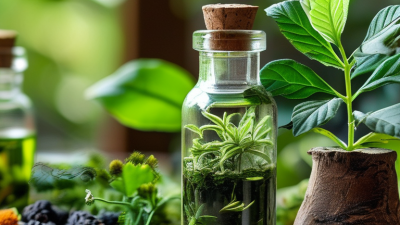
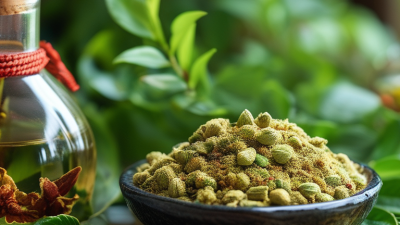
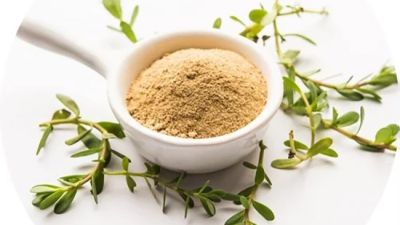
Lately, there's been quite a buzz around high-quality plant extracts from China among buyers all over the world. You know, people are really starting to get interested in natural ingredients for all sorts of stuff—cosmetics, food, even meds. I was chatting with Dr. Jane Huang, a well-known herbal medicine expert, and she mentioned, "The potential of Chinese plant extracts is enormous, but a lot of buyers still miss some of the key quality signs." It’s pretty exciting because China’s huge variety of plants means there are so many unique extracts, each bringing their own benefits. These extracts do wonders for health and can really boost product formulas too. But honestly, jumping into this market isn’t exactly a walk in the park. You’ve got to pay attention to sourcing practices, how these extracts are made, and whether they meet regulations. Finding trustworthy suppliers who care about sustainability and quality is super important. As things keep changing in this space, it’s normal for buyers to feel a bit overwhelmed—like, what’s the right choice? Taking the time to understand these challenges actually helps in making smarter decisions. At the end of the day, if you really grasp the full potential of plant extracts, it opens up all kinds of new opportunities—whether for innovation or just making products consumers love.

Top Plant Extracts from China: An Overview
Plant extracts from China are gaining global recognition for their unique properties and potential benefits. These extracts come from various plants, each offering diverse applications. From traditional medicine to modern skincare, their uses are extensive. For instance, ginseng is revered for its health-boosting properties. It has been used for centuries to enhance energy and reduce stress.
When sourcing plant extracts, consider quality and sourcing methods. Authentic extracts should be derived from sustainably harvested plants to ensure quality. Not every product labeled as a "plant extract" meets high standards. Therefore, seek suppliers that emphasize transparency in their processes.
Choosing the right extract can be challenging. Not all extracts suit every purpose. Herbal properties may vary based on cultivation conditions, harvest time, and extraction methods. So, it’s important to research and verify claims about each extract’s efficacy. Additionally, stay informed about any regulatory changes regarding the use of these extracts. Always approach new products with a critical lens.
Top Plant Extracts from China for Global Buyers
| Extract Name |
Botanical Source |
Main Active Compounds |
Common Uses |
Region of Origin |
| Ginseng Extract |
Panax ginseng |
Ginsenosides |
Stress relief, energy booster |
Northeast China |
| Green Tea Extract |
Camellia sinensis |
Catechins |
Antioxidant, weight loss |
Southern China |
| Licorice Root Extract |
Glycyrrhiza uralensis |
Glycyrrhizin |
Soothing throat, anti-inflammatory |
Inner Mongolia |
| Turmeric Extract |
Curcuma longa |
Curcumin |
Anti-inflammatory, antioxidant |
Yunnan |
| Goji Berry Extract |
Lycium barbarum |
Vitamins, carotenoids |
Eye health, anti-aging |
Ningxia |
Key Features and Benefits of Chinese Plant Extracts
Chinese plant extracts have gained significant attention globally due to their unique properties and benefits. These extracts offer a variety of health attributes, making them valuable in industries like cosmetics, food, and herbal medicine. For instance, herbal extracts from traditional Chinese medicine often possess anti-inflammatory and antioxidant qualities. Such features have attracted researchers and manufacturers alike.
The versatility of these extracts is another noteworthy factor. Many Chinese plant extracts can be customized for various applications. For example, certain extracts can enhance skin hydration, while others provide anti-aging benefits. Quality and efficacy play a crucial role in determining their market value. However, potential buyers must ensure they source from reliable suppliers, as quality can vary widely.
Despite their benefits, some challenges exist. Not all extracts are well-characterized, which can lead to inconsistencies in their effects. Buyers should conduct thorough research and consider third-party testing to verify the purity and potency of these extracts. Maintaining transparency in the supply chain is vital for sustaining trust and reliability in global markets.
Popular Plant Extracts Sourced from China
China is a significant source of high-quality plant extracts, attracting global buyers. These extracts serve various industries, including cosmetics, food, and pharmaceuticals. Among them, Pine Bark Extract has gained attention. This extract is known for its antioxidant properties, making it popular in health supplements.
Buyers often seek Pine Bark Extracts for their potential health benefits. They can help improve circulation and support skin health. Many manufacturers in China focus on quality and sustainability. However, not all suppliers meet rigorous standards. Research is essential to ensure reliability.
Another notable contender is Ginseng Extract. This traditional herb is famed for its energy-boosting effects. It is often used in wellness products. Sourcing from China provides both variety and competitive pricing. Yet, potential buyers should be cautious. Variations in extraction methods can lead to inconsistencies. Validating suppliers through third-party testing can enhance trust.
Overall, while exploring plant extracts from China, buyers should balance quality with cost. The market is diverse, but vigilance is key. Ensuring that ingredients like Pine Bark Extract Powders meet safety and efficacy standards is crucial for business success.
Applications of Chinese Plant Extracts in Different Industries
Chinese plant extracts have gained significant traction across various industries, providing unique benefits and applications. For instance, Pine Bark Extracts are renowned for their antioxidant properties. These extracts can be used in dietary supplements and skincare products. They help in promoting skin health and boosting overall wellness. The potential to enhance cognitive function with these extracts also attracts attention from the health sector.
In the food and beverage industry, Chinese plant extracts have notable applications. They serve as natural colorants and preservatives. Their ability to maintain freshness while providing health benefits makes them valuable. Additionally, in the pharmaceutical sector, extracts from various plants are used to develop treatments for numerous conditions. The quality and sourcing of these extracts are crucial, yet challenges in consistency remain.
Sustainability in sourcing these plants is becoming increasingly important. While many recognize the benefits, there is a growing concern about overharvesting and environmental impact. Ensuring that the supply chain is responsible remains an area needing improvement. Overall, the versatility of Chinese plant extracts offers vast potential for innovation but requires careful consideration of ethical practices.
Quality Standards and Regulations for Plant Extracts in China
China is a leading producer of various plant extracts, particularly Ginseng Leaf Extracts, which are notable for their health benefits. The country adheres to strict quality standards and regulations to maintain the integrity of these products. The China National Standard (GB) system provides guidelines that ensure safety and efficacy. According to a 2021 report by Grand View Research, the global herbal supplements market is expected to reach USD 508.3 billion by 2026. This growth highlights the increasing demand for quality plant extracts.
Regulatory bodies such as the China Food and Drug Administration (CFDA) enforce compliance with these standards. They monitor the manufacturing processes of plant extracts to prevent contamination and ensure label accuracy. Issues can arise from non-compliance, including harmful substances or misleading claims on product labels. A study published in the Journal of Ethnopharmacology found that 15% of herbal products tested did not meet established purity standards. Such findings stress the importance of sourcing extracts from reputable suppliers who comply with local regulations.
Moreover, international buyers must navigate varying quality standards when importing Ginseng Leaf Extracts. Some regions have different limits on pesticide residues and heavy metals. Understanding these nuances is crucial for global buyers to ensure product safety. Regular audits and certifications can help in selecting trustworthy suppliers. Awareness of these standards not only enhances market competitiveness but also builds consumer trust.
Trends in Global Demand for Chinese Plant Extracts
The global demand for Chinese plant extracts has surged in recent years. Factors fueling this growth include increasing awareness of natural remedies and holistic approaches to health. Buyers worldwide are seeking reliable sources for high-quality plant extracts. China is rich in biodiversity, hosting many unique plants that are sought after for their health benefits.
For instance, traditional Chinese herbs like ginseng and goji berries are gaining traction. Consumers are drawn to their potential health benefits. However, the market also faces challenges. Overharvesting and environmental concerns raise questions about sustainability. Buyers must be cautious about sourcing to ensure that they are not contributing to ecological damage. It is crucial to assess suppliers' credentials and their commitment to sustainable practices.
In addition, regulatory challenges can complicate international trade. Different countries have varying standards for plant extracts. This can create uncertainty for buyers. Building strong relationships with reputable suppliers can help mitigate these risks. Transparency, quality assurance, and ethical sourcing should be priorities for global buyers looking to integrate Chinese plant extracts into their offerings.
Challenges Faced by Global Buyers of Chinese Plant Extracts
Global buyers looking for high-quality plant extracts from China may face several challenges. One significant issue is the varying quality of extracts. Not every supplier adheres to strict quality control measures. This inconsistency can lead to unreliable products, making it hard for buyers to trust what they are purchasing.
Another challenge is the complex regulatory landscape. Different countries have different regulations regarding plant extracts. Navigating these rules can be overwhelming. For example, specific compliance documentation may be required for
Bacopa Monnieri Extracts. Buyers must ensure these documents are correctly filled out to avoid complications at customs.
Communication barriers can also hinder smooth transactions. Language differences may lead to misunderstandings. This can affect everything from pricing to shipping details. Additionally, buyers may not be fully aware of local sourcing practices in China. It's crucial for buyers to conduct thorough research and potentially engage local experts to guide them through this landscape effectively.
Unlocking the Benefits of Bacopa Monnieri Extract Powder: A Guide for Nutraceutical Factories and Manufacturers
Bacopa monnieri has gained significant attention in the realm of nutraceuticals due to its numerous health benefits, including cognitive enhancement and stress reduction. As a manufacturer or supplier in the industry, integrating Bacopa monnieri extract powder into your product line can not only elevate the efficacy of your offerings but also align them with growing consumer demands for natural and effective supplements. The extract is renowned for its potential to improve memory, focus, and overall mental well-being, making it an excellent addition to dietary supplements aimed at enhancing cognitive function.
Our premium Bacopa monnieri botanical extract, sourced from trusted suppliers in China, ensures that you receive a product of the highest quality. Manufactured in a state-of-the-art facility, our extract is specifically designed to meet the rigorous standards of modern supplement production processes. This compatibility allows for seamless integration into various nutraceutical formats, ensuring a stable composition that manufacturers can rely on for consistency across batches. By choosing our extract, you can provide your customers with a product that not only delivers on its promises but also adheres to the quality standards essential for effective health solutions.
FAQS
: Pine Bark Extract is known for its antioxidant properties. It can help improve circulation and support skin health.
China offers high-quality extracts at competitive prices. The variety in sourcing attracts many global buyers.
Buyers should focus on quality and sustainability. Researching suppliers and their practices is essential for reliability.
Yes, variations in extraction methods can cause inconsistencies. Buyers need to validate suppliers through testing.
They serve as natural colorants and preservatives. They maintain freshness while providing health benefits.
Overharvesting and environmental impact are major issues. Responsible supply chains need more attention and improvement.
Yes, Pine Bark Extract may enhance cognitive function. This potential benefit draws attention from the health sector.
Consistency in quality remains a challenge. Extracts must meet safety and efficacy standards for effective treatments.
Buyers should conduct thorough research and seek third-party testing. It's a critical step for ensuring ingredient reliability.
Sustainability is crucial but often overlooked. Recognizing its importance can improve the industry's overall impact.
Conclusion
China is a significant source of high-quality plant extracts, offering an array of products that cater to various global industries. These plant extracts are known for their unique features and benefits, including their rich bioactive compounds that contribute to health and wellness. Commonly sourced extracts include herbal ingredients used in cosmetics, pharmaceuticals, and food industries. The growing global demand highlights the versatility of these extracts, driving interest in understanding their applications across different sectors.
However, global buyers face challenges, such as navigating quality standards and regulations specific to China. Understanding these regulations is crucial to ensure compliance and maintain product integrity. As trends in consumer preferences shift towards natural and sustainable products, the significance of Chinese plant extracts continues to rise, making it essential for buyers to stay informed about potential hurdles and opportunities in sourcing these valuable materials.