Get a Quote
Leave Your Message
Describe your specific request*
0%

So, let’s talk about China’s calcium HMB market. It’s a mix of manufacturers, ingredient traders, and contract suppliers. In this guide, we checked out ten potential suppliers—but let’s be clear: being on a list doesn’t automatically mean a company is solid. Rankings aren’t proof of quality. What buyers should really do is compare documented capabilities, not just get dazzled by glossy catalogs or lowball prices.

Honestly, back in 1996, Steven L. Nissen and his co-authors described HMB as 'a metabolite of the essential amino acid leucine.' That distinction matters a lot, maybe more than people realize. Calcium Hmb Powder is a pretty specific ingredient, so when you're checking suppliers, you really have to look at identity, assay method, calcium content, batch consistency, and contaminant testing. Hey, when you get a chance, ask for the latest certificate of analysis and double-check that the batch number lines up with both the sample and the commercial lot. Yeah, I know it sounds picky, but the little details really do matter.

Honestly, a practical review goes beyond the basics—you want to check production controls, traceability, packaging, and how they handle moisture protection. It’s worth asking outright: does the supplier actually make the material, or are they just reselling it? And don’t settle for vague answers on lead times or change control. A polished spec sheet can look great, but it’s no substitute for verifying things yourself. If some documents come back incomplete, that’s your cue to stop and ask more questions—not to fill in the blanks with guesses. Okay, so this overview is really just a starting point for checking out Chinese suppliers—it's not a guarantee or a stamp of approval by any means. Before you commit to a big order, make sure you compare their samples and records against your own quality standards, not just take their word for it.
China Top 10 Calcium HMB Powder Suppliers?

What Calcium HMB Powder Is and How It Is Used

Calcium HMB powder is the calcium salt of beta-hydroxy-beta-methylbutyrate, a compound the body produces from the amino acid leucine. Hmb Calcium Powder is commonly used as a dietary supplement by people seeking support for muscle maintenance and recovery during training. It is a fine, pale powder that can be mixed into water or another drink. Not a stimulant. Its purpose is different from a pre-workout product.

The International Society of Sports Nutrition’s 2013 position stand reviewed human research on HMB and discussed a daily intake of 3 grams in studies of exercise and muscle outcomes. That figure describes research use, not a personal prescription. Results can vary with age, diet, training load, and health status. HMB may support muscle-related outcomes, but it cannot replace adequate protein, progressive exercise, or recovery. That distinction is easy to miss. Evidence also differs across study groups, so broad promises deserve caution.

Tips: Check the serving size and calcium content on the product label, since powders can differ in concentration. Measure with a scale or the supplied scoop, and follow the label or a qualified clinician’s advice. If you have a medical condition or take medication, ask a healthcare professional before use. A supplement is only one small part of the routine.

How to Evaluate Calcium HMB Powder Suppliers in China

China Top 10 Calcium HMB Powder Suppliers?

How to Evaluate Calcium HMB Powder Suppliers in China

When evaluating calcium HMB powder suppliers in China, look beyond price and product descriptions. Ask for a recent certificate of analysis linked to a specific batch. Check whether it reports identity, assay, moisture, and relevant contaminant results. A credible supplier should explain its test methods and provide traceability from raw materials to finished powder. Details matter.

Tips: Request a sample, then compare its label and batch documents. Confirm packaging specifications, storage conditions, and stated shelf life in writing. Ask who performs the testing and whether independent laboratory reports are available.

Review the supplier’s quality system, production controls, and response process for complaints or failed batches. If possible, arrange a site audit or use a qualified third party to assess records and facilities. Clear answers are useful; vague assurances are not. A polished PDF is not proof by itself, and it is easy to miss gaps when paperwork looks tidy. Compare the same specifications across several suppliers, and keep a record of questions, documents, and sample results before making a decision.

China’s Calcium HMB Manufacturing and Supply Landscape

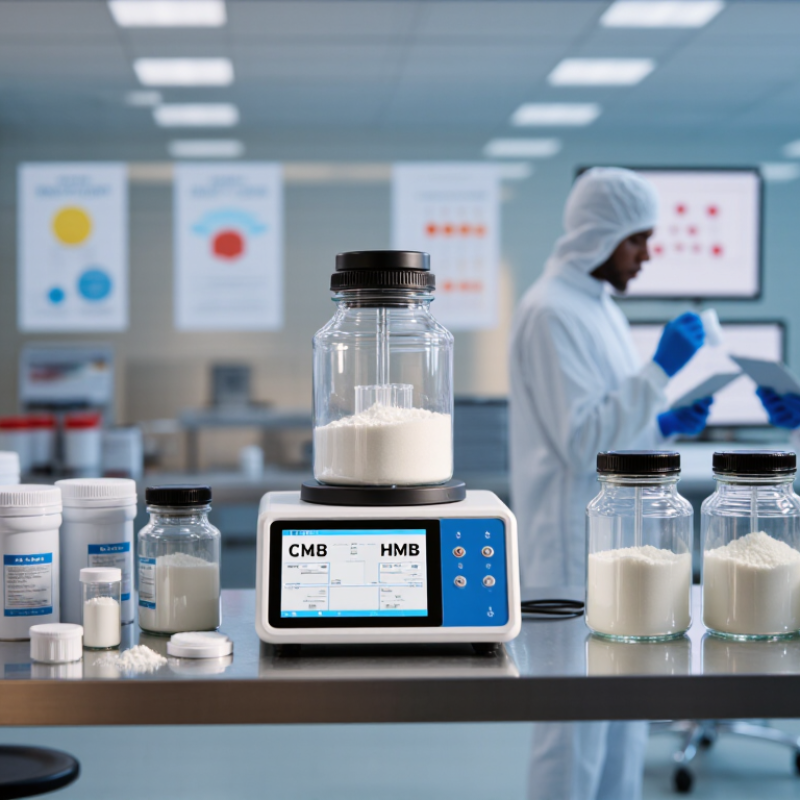
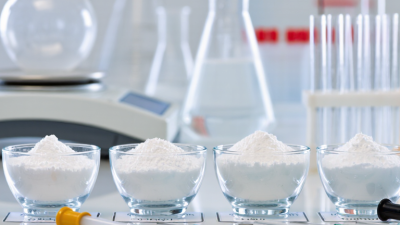
China’s calcium HMB supply landscape includes ingredient manufacturers, contract processors, and export-focused distributors. Their roles may overlap, so a supplier label alone cannot confirm who controls production. Ask where synthesis, drying, blending, and packing take place. Small details matter: powder flow, moisture exposure, and residue on a sampling scoop can point to handling problems. Not everything is visible.

A careful supplier review should examine batch-specific certificates of analysis, test methods, specifications, and traceability records. Check whether the reported identity, assay, moisture, and microbiological results match the product specification. Request representative samples and compare them with the delivered batch. Paperwork can look complete. Verify it. Independent testing may help, though test scope and sample handling also need review.

Supply reliability depends on more than production capacity. Buyers can ask about lead times, packaging barriers, storage conditions, and procedures for addressing out-of-specification batches. A sealed liner and a clear lot code are practical signs, not proof of quality. Communication matters too: vague answers about process steps deserve follow-up. I would not treat a polished factory profile as a substitute for records; that judgment can be inconvenient, but it is safer.

Profiles of Ten Chinese Calcium HMB Powder Suppliers

These ten profiles are practical snapshots of supplier capabilities, not a verified ranking. Buyers should confirm current specifications and facility details directly. A reliable Calcium Hmb powder supplier should provide a clear product specification, batch records, and test results.

One profile focuses on custom particle sizes for drink mixes. Another emphasizes routine identity and purity testing. A third offers flexible order volumes, useful for early product trials. The fourth highlights export documentation and responsive communication. Details matter. Ask for recent certificates, not just a polished brochure.

A fifth supplier may specialize in bulk production and steady delivery schedules. A sixth could support sample testing before larger orders. The seventh profile centers on controlled packaging, with sealed liners and readable batch codes. The eighth emphasizes technical support for blending and storage. The ninth may offer clear traceability from raw material to finished powder. The tenth could suit buyers seeking a straightforward product range and direct factory contact. These differences are only starting points. Some supplier claims can sound impressive, yet remain difficult to compare without matching test methods and reviewing documents. Check moisture limits, storage guidance, and the meaning of each assay result. Small omissions can matter.

Quality Standards, Testing, and Regulatory Considerations

When evaluating China’s calcium HMB powder suppliers, ask for documents tied to the exact production lot, not a generic product sheet. A certificate of analysis should identify calcium HMB and report assay results, moisture, and relevant contaminant limits. Check that the analytical methods are stated and suitable for the ingredient. A number without a method is hard to assess.

Request testing for heavy metals and microbiological quality, with limits matched to the destination market and intended use. Independent laboratory results can help verify supplier data, but confirm the lab, sample identification, and test date. Compare the reported calcium and HMB content with the product specification. Small details count. Review batch records, change controls, and traceability from incoming materials to sealed bags. For Bulk Calcium Hmb, packaging should protect the powder from moisture; inspect seal integrity and storage instructions.

Regulatory requirements differ across countries and product categories. Ask suppliers for a current compliance statement, ingredient specifications, safety documentation, and any required manufacturing certifications. Verify claims directly against the relevant authority’s rules rather than relying on sales language. Audit records and test results may still leave gaps. A supplier can provide polished paperwork while communicating poorly about deviations, so ask how out-of-specification results are investigated and documented.

How to Compare Suppliers for Your Sourcing Needs

Comparing China-based suppliers of Calcium Beta-Hydroxy Beta-Methylbutyrate starts with the specification, not the sales quote. Grand View Research estimated the global dietary supplements market at USD 177.5 billion in 2023, but that figure does not measure HMB demand. CRN’s 2023 Consumer Survey found that 74% of U.S. adults used supplements. This broad market context makes product consistency worth checking closely.

Request a batch-specific certificate of analysis showing HMB assay, calcium content, moisture, microbial counts, and heavy metals. Ask for the test methods and laboratory details, not just a pass mark. Demand batch records. Where practical, verify a sample through an independent ISO/IEC 17025-accredited laboratory. Review the factory’s GMP controls, ingredient traceability, and procedures for handling specification changes. Stability data and packaging details matter too, especially if the powder will travel through hot, humid conditions.

Compare landed cost, minimum order quantity, lead time, and the supplier’s process for investigating out-of-specification results. A low price can hide extra testing or inconsistent lots. Documents can be tidy. Production can still drift. I would ask for recent lot data and clarify how often testing occurs; a single polished sample is not enough. Allow time for a factory audit or a qualified third-party inspection before committing to large volumes.

High Purity L-Carnosine Food Grade Powder: A Guide to Quality, Uses, and Benefits

High-purity, food-grade L-carnosine is a dipeptide used in food and dietary supplement formulations. Choosing a consistent powder starts with reviewing its identity, purity, and specification data, along with appropriate quality documentation and batch-to-batch controls. Moisture, appearance, and packaging also matter: well-managed production and storage help preserve product quality during transport and handling. For manufacturers, a dependable supply and clear technical information make it easier to plan production and maintain consistent formulations.

L-carnosine powder can be incorporated into suitable supplement formats and other food applications, depending on formulation requirements and applicable standards. Its use allows product developers to create clean-label formulations with a defined ingredient profile, while high purity helps support consistency in finished products. As with any ingredient, manufacturers should assess compatibility with other components, processing conditions, solubility, and the intended serving format. Reliable global supply can further support continuity across production schedules, giving manufacturers greater confidence when scaling formulations or serving multiple markets.

FAQS

What types of suppliers may provide calcium HMB powder?

Suppliers may be manufacturers, contract processors, or export-focused distributors. Their roles can overlap.

How can I check where the powder is made?

Ask where synthesis, drying, blending, and packing occur. A supplier label alone may not tell you who controls production.

Which documents should I request before ordering?

Request a batch-specific certificate of analysis, product specification, test methods, and traceability records. Check that results match the stated limits.

What should a certificate of analysis include?

Look for HMB assay, calcium content, moisture, microbiological results, and heavy metals. Ask which laboratory and methods produced the results.

Is one sample enough to confirm product quality?

No. Compare a representative sample with the delivered batch, and consider independent testing. Review the test scope and sample handling too.

What packaging details are worth checking?

Ask about sealed liners, storage conditions, and readable lot codes. These details help with handling, but they do not prove quality.

How should I compare supplier profiles?

Compare current specifications, recent batch records, testing methods, lead times, and minimum order quantities. Treat profile claims as starting points, not rankings.

What can help reduce sourcing surprises?

Clarify how out-of-specification batches are investigated, and review stability and packaging details. A polished sample is not enough; I may still miss something.

Conclusion

This article explains what Calcium Hmb Powder is and how it is commonly used in dietary supplement formulations. It outlines the factors buyers can consider when evaluating suppliers in China, including product specifications, manufacturing capabilities, communication, documentation, and consistency of supply. It also provides an overview of China’s calcium HMB production and sourcing landscape, then presents profiles of ten suppliers to help readers understand the range of options available.

The article further discusses quality standards, testing, and regulatory considerations that may apply when sourcing the ingredient. Rather than treating price as the only deciding factor, it encourages buyers to compare suppliers based on quality controls, transparency, technical support, order requirements, and delivery expectations. Together, these sections offer a practical framework for identifying a supplier that fits a company’s product needs and sourcing priorities.

Sophia

Sophia

Sophia is a dedicated marketing professional with a profound expertise in food ingredients and nutritional raw materials. With a strong commitment to quality and supply reliability, she plays a vital role in supporting global buyers in sourcing top-notch products from China. Her extensive knowledge......
Previous Top Nicotinamide Powder Manufacturers for Global Buyers