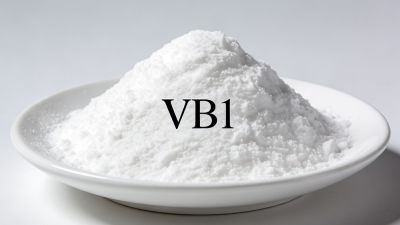
Thiamine Hydrochloride is basically a form of vitamin B1. It's commonly used to prevent or treat a deficiency of this vitamin. You can find more about it here. This vitamin helps your body convert carbs into energy and keeps your nerves and muscles working the way they should. Just a heads-up, it's not necessarily an energy boost for everyone — whether it makes a difference really depends on your individual needs and health status.
Doctors might suggest taking it if your diet isn’t cutting it, you have issues absorbing nutrients, or if certain illnesses or risk factors make a deficiency more likely. Sometimes you'll take it by mouth, but in some cases, especially in more serious situations, it might be given through a different route under medical supervision. The right dose and how long you need to take it really varies from person to person — so don’t just rely on the product label; it’s not a substitute for advice from your healthcare provider.
Deficiency in thiamine can lead to serious health problems, but feeling tired or experiencing tingling sensations doesn’t automatically mean you’re deficient — that’s an important distinction.
This guide covers common uses, what risks might cause a deficiency, and some practical safety tips. It also explains why different products and directions can sometimes seem confusing. Always check with a healthcare professional before starting any supplement — they’ll consider your medicines, symptoms, and medical history. If your symptoms get worse or are severe, don’t hesitate to seek medical help. Sometimes the details really do matter — even with something as familiar as a vitamin. Using it carefully is especially important when symptoms could have many different causes.

Thiamine hydrochloride is a water-soluble salt form of vitamin B1, found in supplements and some medicines. It dissolves readily in water. After absorption, the body uses thiamine to make coenzymes that help release energy from carbohydrates and support normal nerve function. The hydrochloride form helps deliver the vitamin; it does not have a separate nutritional role. In practice, thiamine hydrochloride may be used to prevent or treat deficiency when diet or absorption does not provide enough. That distinction matters.
Risk of deficiency can increase with prolonged poor nutrition, some digestive disorders, or heavy alcohol use. A clinician can assess the cause and guide treatment. Severe deficiency may affect the heart and brain, while fatigue or tingling can have many causes. A small tablet beside a breakfast bowl looks straightforward, but the reason for taking it still matters. Injectable thiamine may be given in medical settings when rapid treatment or poor absorption is a concern. More is not automatically better. The label alone cannot explain an individual’s needs, so persistent symptoms warrant professional advice.
Thiamine Hydrochloride is a water-soluble form of vitamin B1, used to prevent or treat thiamine deficiency. In the body, thiamine becomes a cofactor that helps enzymes process carbohydrates and support energy production inside cells. It does not act like a stimulant, and taking more does not necessarily mean feeling more energetic. That distinction matters.
The nervous system also depends on thiamine. It helps nerve cells use fuel and maintain normal function, including communication between nerves. When intake or absorption is too low, symptoms can include fatigue, weakness, tingling, or confusion; severe deficiency needs prompt medical care. Risk can rise with poor nutrition or certain health conditions, so a clinician can help identify the cause rather than guess from symptoms alone.
Food sources include beans, pork, whole grains, and fortified cereals. A plate of lentils with whole-grain bread is one practical way to get thiamine through food. Supplement needs vary. Thiamine Hydrochloride may be recommended when deficiency is present or likely, but it is not a general fix for tiredness. It’s worth checking. The evidence is clear about correcting deficiency; the reason for persistent low energy may be less obvious.
Thiamine hydrochloride is a supplemental form of vitamin B1. Thiamine helps the body convert nutrients into energy and supports normal nervous-system function. The chart shows the daily recommended intake for adults; it is not a treatment dose.
Source: U.S. National Institutes of Health, Office of Dietary Supplements — Thiamin Fact Sheet.
Thiamine hydrochloride is a form of vitamin B1 used to prevent or treat thiamine deficiency. Clinicians may prescribe it when poor nutrition, prolonged vomiting, or problems absorbing nutrients raise the risk. Deficiency can cause fatigue, weakness, tingling, and difficulty walking. Symptoms may be subtle at first, and they can be mistaken for other problems.
Beriberi is a serious illness caused by severe thiamine deficiency. It can affect the nerves, muscles, and heart, sometimes causing numbness, swelling, or shortness of breath. Treatment depends on the person’s condition; oral thiamine may suit some cases, while urgent or severe cases need prompt medical assessment and may require thiamine by injection. Time matters. A clinician can assess symptoms, diet, and medical history rather than relying on guesswork. Berberine Hydrochloride is a different compound and does not replace thiamine treatment.
Tips: Take thiamine hydrochloride only as directed by a healthcare professional, especially if symptoms are worsening. Keep a note of new numbness, swelling, or changes in walking to share during care. Supplements can help, but they may not address the reason deficiency developed.
Thiamine hydrochloride is a form of vitamin B1 used to prevent or treat thiamine deficiency. When deficiency affects the brain, Wernicke encephalopathy can develop. It is a medical emergency. Signs may include confusion, poor balance, or unusual eye movements, but the full pattern is not always present. Someone may simply seem unusually drowsy or unsteady. The difficult part is that these changes can look ordinary at first. Time matters.
When Wernicke encephalopathy is suspected, clinicians assess the person urgently and give thiamine promptly, often by injection or infusion when rapid treatment is needed. They may also investigate causes such as poor nutrition, persistent vomiting, or problems absorbing nutrients. Treatment should not be delayed while waiting for every test result. If low blood sugar is also suspected, emergency care takes priority; clinicians can coordinate glucose and thiamine safely. Vitamin B6 Pyridoxine Hydrochloride is a different vitamin and does not replace thiamine. Recovery varies, and some people need ongoing monitoring for memory, walking, or vision problems.
Thiamine hydrochloride is a form of vitamin B1 used to prevent or treat thiamine deficiency. People with alcohol dependence may be at risk because poor nutrition and alcohol-related changes can reduce thiamine intake and absorption. SAMHSA’s 2023 National Survey on Drug Use and Health estimated that 28.9 million U.S. adults had alcohol use disorder in the past year. That figure describes a risk group, not the number with thiamine deficiency.
Risk extends beyond alcohol dependence. People with prolonged vomiting, bariatric surgery, malabsorption, or very limited diets may also need assessment. Older adults with poor food intake can be vulnerable, too. Small clues matter: meals skipped for days, persistent nausea, or unexplained weakness deserve attention. The NIH Office of Dietary Supplements lists alcohol dependence and bariatric surgery among factors linked with increased deficiency risk. Risk lists are useful, but they cannot diagnose an individual.
A clinician can assess symptoms, diet, and medical history before recommending supplementation; urgent symptoms such as confusion or difficulty walking need prompt care. Dose and route depend on the situation. Pyridoxine Hydrochloride is a form of vitamin B6, not thiamine, and cannot replace vitamin B1. The distinction is easy to miss on supplement labels.
Thiamine hydrochloride is a water-soluble form of vitamin B1 used in supplements and fortified foods. Thiamine helps the body turn carbohydrates into energy and supports normal nerve and heart function, as described by the NIH Office of Dietary Supplements. It is not a stimulant. Small amount, important role.
For adults aged 19 and older, the National Academies’ Dietary Reference Intakes set recommended daily allowances at 1.2 mg for men and 1.1 mg for women. These benchmarks refer to total daily intake from food and supplements, not a required tablet dose. Pork, beans, and whole grains can contribute thiamine, though amounts vary with food choices and preparation. The label math is easy to overlook: milligrams per serving are not the same as an individual’s daily requirement.
These recommended amounts are designed to meet the needs of nearly all healthy adults, not to diagnose deficiency or prescribe treatment. The NIH notes that inadequate thiamine can interfere with energy metabolism and affect the nervous system. People with persistent symptoms or medical risk factors should seek qualified advice rather than assume a supplement will solve the problem. More is not automatically better.
Vitamin B1, also called thiamine, helps the body convert carbohydrates into energy and supports normal nerve function. Thiamine hydrochloride is a water-soluble form commonly used in food, beverage, and dietary supplement formulations. The National Academies’ Dietary Reference Intakes set adult recommended intakes at 1.2 mg per day for men and 1.1 mg for women; requirements rise to 1.4 mg during pregnancy and breastfeeding. These figures are useful benchmarks, though individual needs can vary with diet and health circumstances.
When choosing a supplement, check the Supplement Facts panel for the amount of thiamine per serving and compare it with your dietary needs rather than assuming a higher dose is better. Look for thiamine hydrochloride clearly identified in the ingredient list, straightforward serving directions, and quality-testing information from the manufacturer or an independent testing organization. Also review other ingredients if you have allergies or dietary preferences. The NIH Office of Dietary Supplements notes that thiamine occurs naturally in foods such as whole grains, pork, legumes, and nuts, so a supplement can be considered alongside food sources—not as a substitute for a varied diet.
It is a water-soluble form of vitamin B1. It dissolves readily in water. The hydrochloride helps deliver thiamine; it has no separate nutritional role.
The body uses thiamine to make coenzymes. These help release energy from carbohydrates and support normal nerve function.
Risk can rise with prolonged poor nutrition, alcohol dependence, digestive disorders, bariatric surgery, or very limited diets. Older adults eating poorly may also need assessment.
No. These symptoms have many possible causes. A symptom alone cannot diagnose deficiency.
Persistent symptoms deserve assessment. Confusion or difficulty walking needs prompt care. Don’t rely on a label alone.
Not necessarily. Poor absorption or urgent medical concerns may call for treatment in a medical setting. The right dose and route depend on the situation.
No. More is not automatically better. A clinician can consider diet, symptoms, and medical history.
No. Vitamin B6 is different from vitamin B1 and cannot replace it. Labels can be easy to misread. Check carefully.
Thiamine Hydrochloride is a water-soluble form of vitamin B1. The body uses thiamine to help convert food into energy and support normal nervous-system function. Because the body stores only limited amounts, a sustained shortfall can interfere with these processes and lead to deficiency disorders, including beriberi. Supplementation may be used to prevent or treat deficiency, with the appropriate dose depending on a person’s needs and clinical situation.
People with alcohol dependence, poor nutritional intake, certain medical conditions, or other factors that limit thiamine absorption may be at increased risk of deficiency. Severe deficiency can cause Wernicke encephalopathy, a medical emergency in which prompt treatment is important to reduce the risk of lasting harm. General daily intake benchmarks for adults are 1.2 mg for men and 1.1 mg for women; individual requirements may vary, so people with suspected deficiency should seek guidance from a healthcare professional.