So, a Ribose Supplement is basically D-ribose—a sugar that shows up naturally in your body and plays a role in your energy pathways. Your cells use ribose to help make adenosine triphosphate, or ATP, for short. ATP is what keeps you moving, your heart beating, and all those other essential functions going. Sounds pretty simple, right? Well, human biology? Not so much.
When you take D-ribose orally, it goes into your bloodstream and might help with nucleotide production. That process could support ATP recovery when your energy demands go up. But here’s the catch: your body carefully regulates these pathways. Taking more ribose doesn’t automatically give you more usable energy. And research is still pretty limited—lots of studies use small groups or focus on specific health conditions.
Researchers have looked at ribose supplements for things like exercise recovery, muscle soreness, and some cardiovascular symptoms. The results? Mixed. Some people say they feel less tired, while others notice basically nothing. That gap is worth paying attention to. A supplement can feel helpful without actually creating a measurable clinical benefit.
Before using one, healthcare professionals should really check your medications, health history, and goals. Possible side effects include nausea, loose stools, stomach discomfort, or lower blood sugar. If you have diabetes, are pregnant, or have kidney or liver concerns, you need to be extra cautious. Also, product quality varies a lot between manufacturers. Look for independent testing and clear ingredient labels.
And just to be clear: this isn’t a replacement for medical treatment, balanced nutrition, sleep, or rehabilitation. The most responsible take is pretty practical and modest—ribose may support energy-related processes, but it’s not a guaranteed solution. Understanding how it works takes both curiosity and a healthy dose of skepticism.
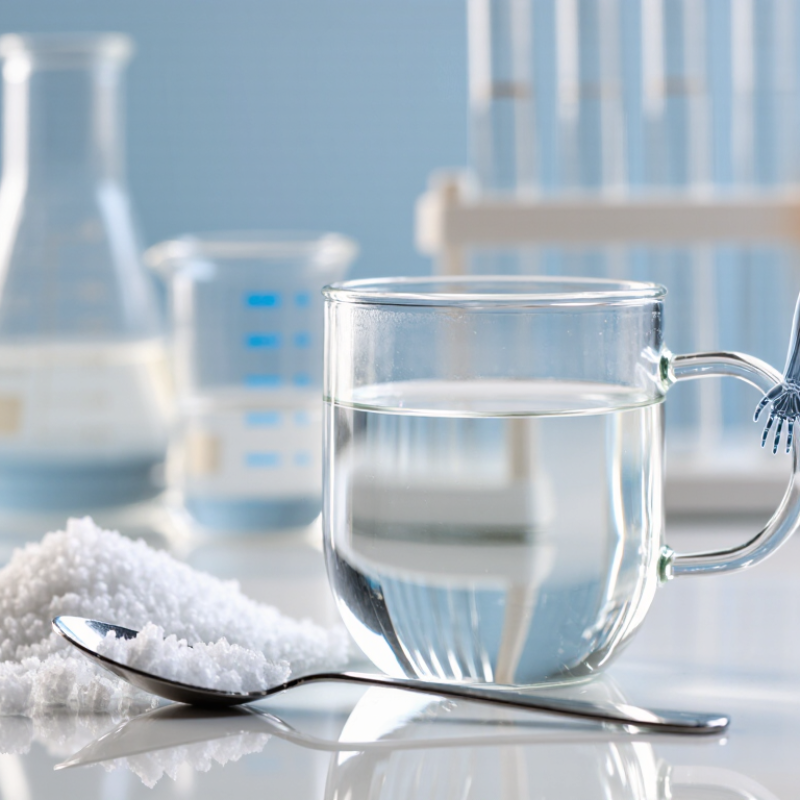
D Ribose is a five-carbon sugar found in ATP, ADP, and AMP. These molecules store and transfer cellular energy. Picture ATP as a rechargeable battery; ribose forms part of its structure. After digestion, D Ribose can support ribose-5-phosphate production, which helps cells rebuild nucleotide compounds. It does not work like caffeine, and it does not directly create instant energy. The 2023 review in Nutrients described promising findings, but also noted small samples and inconsistent study designs.
Human evidence remains uneven. A 2006 pilot study of 41 adults with fibromyalgia used 5 grams twice daily. Participants reported better energy and wellbeing, yet the study lacked a strong placebo comparison. That weakness matters. Results may reflect expectation, natural symptom changes, or both. Research in heart failure has also explored divided doses, but clinical benefits are not established for everyone. The NIH Office of Dietary Supplements emphasizes that supplements should not replace diagnosis or prescribed treatment.
Tips: Check the serving size carefully. Start only with professional guidance, especially with diabetes, kidney disease, or blood-sugar medication. Stomach discomfort can occur. A food diary may help you notice changes in sleep, exercise tolerance, and digestion. More is not automatically better. The evidence still needs larger, longer trials.
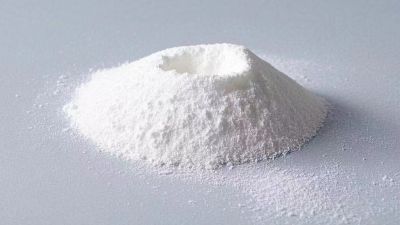
A ribose supplement provides ribose, a five-carbon sugar used in nucleotide metabolism. Many products contain D-ribose, including D Ribose Powder. After absorption, the body can convert ribose into ribose-5-phosphate, an important intermediate in the pentose phosphate pathway. This pathway does not simply “refill ATP” like pouring fuel into a tank. Cellular enzymes control each step.
The key connection is phosphoribosyl pyrophosphate, or PRPP. Ribose-5-phosphate can help form PRPP, which supplies a ribose-phosphate framework for purine-nucleotide resynthesis. Purines include adenine, a component of ATP. During energy stress, cells may rebuild AMP and related nucleotides through salvage pathways. These pathways reuse purine bases instead of creating them entirely from simpler molecules.
Availability matters.
When ATP breaks down during intense activity or metabolic strain, rebuilding the adenine nucleotide pool may take time. Providing additional ribose could support this process when ribose-phosphate availability limits the pathway. However, human responses vary, and evidence does not show that every healthy person gains a meaningful performance benefit. A common explanation is too neat: more ribose does not guarantee more ATP. Absorption, enzyme activity, glucose handling, exercise intensity, and tissue condition also influence results. Anyone considering supplementation should examine the evidence and discuss potential effects with a qualified healthcare professional, especially when taking glucose-lowering medication.
D-ribose is a naturally occurring five-carbon sugar used in ATP production. ATP supplies energy for muscle contraction, heartbeat, and cellular repair. A supplement usually provides D-ribose as a powder or capsule. After swallowing it, the digestive tract absorbs part of the sugar into the bloodstream. The remainder may be processed or removed through urine.
Human trials have examined more than energy claims. They have also measured blood glucose after oral D-ribose. In some studies, participants showed a small, temporary glucose decline. The change often appeared within the first hour, when absorption was active. Not every trial found the same response. Dose, fasting status, meal timing, and participant health can change the result. A fasting volunteer may respond differently from someone taking ribose with breakfast.
The details matter. Researchers may collect blood before dosing, then repeat samples at several short intervals. A glucose meter reading and a laboratory plasma test are not identical. Some reports also involve small study groups, making broad conclusions difficult. I would not treat a lower reading as proof of improved metabolism. People using glucose-lowering medication should discuss D-ribose with a qualified clinician. Mild stomach discomfort has also been reported. More standardized trials are needed, especially in people with diabetes or impaired glucose control.
A ribose supplement usually contains D-ribose, a naturally occurring five-carbon sugar. Cells use it while building nucleotides, including compounds involved in energy metabolism. The proposed benefit is simple: more ribose may support faster ATP-related recovery after stress. The biology is plausible, but human results remain mixed. Ribose is not the same as an Hmb Supplement, which refers to a different compound.
Published human studies have commonly examined 5 g, taken three times daily. That equals 15 g per day, often divided with meals or water. This is a study dose, not a universal prescription. Participants may measure symptoms, exercise tolerance, or selected cardiac outcomes. Those endpoints matter. However, small trials and differing populations limit confident conclusions. A scoop is not a clinical measurement unless its weight is verified. That practical detail is easy to overlook.
Some users report stomach discomfort, loose stools, headache, or changes in blood glucose. People with diabetes, metabolic conditions, pregnancy, or ongoing treatment should seek professional advice before use. A clinician can review kidney function, medications, and the reason for supplementation. I would treat 5 g three times daily as a research-informed reference point, not a promise of results. The honest uncertainty is part of the evidence.
Ribose is a simple sugar used to build ATP, the molecule that stores cellular energy. Supplements usually provide D-ribose powder or capsules. The theory sounds logical: faster ATP replacement might support training recovery. Human evidence is less convincing. Small controlled trials in healthy adults often used 10–15 grams daily for three to seven days, yet many found no meaningful improvement in strength, sprint output, or muscle soreness. A review published in Sports Medicine reported inconsistent exercise outcomes, especially outside clinical populations.
Recovery results remain mixed. Some trials noted lower perceived fatigue after repeated exercise, while others found no difference from placebo. A 2022 review in Nutrients also highlighted small samples, short study periods, and varied testing methods. These limitations matter. A laboratory cycling test is not the same as recovering from weekly team training. One study may show benefit, but it does not establish a reliable performance effect. The evidence is still incomplete.
Tips: Treat ribose as experimental, not essential. Track sleep, soreness, and training loads for two weeks before changing supplements. If you test it, keep calories and carbohydrates stable. That makes the result easier to interpret. Discuss persistent fatigue, diabetes, or medication use with a qualified clinician, because ribose may affect blood glucose. The honest answer is inconvenient: some athletes feel better, but controlled evidence does not consistently explain why.
What Is a Ribose Supplement and How Does It Work?
Ribose is a simple five-carbon sugar used in ATP production. ATP supplies energy for muscle contraction and cellular work. Unlike an Eaa Supplement, ribose is not a complete amino-acid product. It mainly supports the body’s nucleotide-building pathway. The effect sounds simple, but human evidence remains limited.
Safety Data: Hypoglycemia and GI Effects Reported in Human Studies
Safety deserves more attention than performance claims. A small 2008 human study gave healthy adults 10 grams of D-ribose. Blood glucose fell by approximately 26% within two hours. Individual responses varied considerably. This figure is not a universal risk estimate. Published reviews also note that many ribose trials involved fewer than 30 participants. That weakens confidence in precise safety rates.
Gastrointestinal effects appear more frequently in practical reports. Nausea, abdominal discomfort, bloating, and loose stools have been described, especially after larger single doses. The European Food Safety Authority has not established a tolerable upper intake level for ribose. That does not prove unlimited safety. It shows that long-term evidence remains incomplete. I would not treat the current data as fully reassuring.
Tips: Begin with a small serving and take it with food. Avoid self-experimentation if you use glucose-lowering medicine. Monitor for sweating, shakiness, dizziness, or unusual fatigue. Stop use and seek medical advice if symptoms persist. Check the product label carefully; “sugar-free” does not mean risk-free.
| Data Dimension | Evidence-Based Information | Human Study Context | Practical Safety Note |
|---|---|---|---|
| What it is | Ribose supplements generally contain D-ribose, a naturally occurring five-carbon sugar involved in the formation of ATP and other cellular compounds. | Human studies have evaluated oral D-ribose in healthy adults and in people with conditions such as exercise-related fatigue, chronic fatigue, fibromyalgia, and cardiovascular disease. | A supplement is not equivalent to a prescription treatment, and evidence for routine use remains condition-specific and limited. |
| Proposed mechanism | D-ribose can enter pathways used to synthesize purine nucleotides, which are components of ATP. The proposed benefit is support for restoration of cellular energy stores after metabolic stress. | Small human trials have measured perceived energy, exercise performance, or cardiac symptoms, but results have not established a consistent benefit for the general population. | The biochemical rationale does not prove that oral supplementation increases ATP or improves symptoms in every user. |
| Absorption and glucose response | D-ribose is absorbed after oral administration and may influence blood-glucose handling differently from common dietary sugars. | Controlled human studies have reported transient decreases in blood glucose after oral D-ribose, including episodes meeting commonly used biochemical definitions of hypoglycemia in some participants. | Blood-glucose monitoring is particularly important for people with diabetes, impaired glucose regulation, or medicines that lower glucose. |
| Hypoglycemia | Low blood glucose is a documented safety concern in human research. Reported symptoms may include shakiness, sweating, weakness, dizziness, confusion, or a rapid heartbeat. | The risk has been observed mainly in short-term oral-dose studies, including studies involving healthy volunteers. The frequency and severity varied across study designs. | People using insulin, sulfonylureas, or other glucose-lowering medicines should seek medical advice before use. Persistent or severe symptoms require urgent medical attention. |
| Gastrointestinal effects | Reported gastrointestinal effects include nausea, abdominal discomfort, bloating, loose stools, and diarrhea. | GI complaints have been described in human supplementation studies and are generally considered more likely with larger single doses or poor individual tolerance. | Taking smaller amounts with food and stopping use if persistent diarrhea or severe abdominal symptoms occur may reduce risk, but clinical guidance is preferable. |
| Commonly studied intake patterns | Human studies have used a broad range of oral doses, including single-dose metabolic studies and repeated daily dosing in small clinical or exercise-related trials. | Some exploratory studies used approximately 5 g per dose, while other trials evaluated higher total daily amounts. Dosing methods were not uniform across studies. | A dose used in a research study should not automatically be treated as a universally safe or effective personal dose. |
| Evidence for benefits | Some small and often non-blinded studies have reported improvements in self-rated energy, exercise tolerance, or selected symptoms. | The evidence base is limited by small sample sizes, short follow-up periods, variable outcome measures, and a lack of consistent confirmation in larger controlled trials. | Claims that ribose reliably treats fatigue, heart disease, or other medical conditions should be viewed cautiously. |
| Long-term safety | Long-term, high-quality safety data are limited compared with the amount of short-term information available. | Many human studies lasted only days or a few weeks, and participant numbers were generally small. | Long-term use, pregnancy, breastfeeding, kidney disease, liver disease, and use alongside multiple medicines should be discussed with a qualified healthcare professional. |
| Overall safety interpretation | Available human evidence suggests that D-ribose is usually tolerated by many participants in short-term studies, but hypoglycemia and GI effects are clinically relevant potential adverse effects. | Reported safety findings should be interpreted in light of the small sample sizes, varied doses, and limited long-term follow-up. | Do not use ribose to replace prescribed treatment. Stop use and obtain medical advice if significant low-blood-glucose symptoms or persistent GI effects occur. |
D-Ribose is a naturally occurring five-carbon sugar involved in the formation of ATP, the molecule that stores and supplies energy within cells. As consumers increasingly seek convenient solutions for energy, exercise recovery, and daily wellness, high-purity D-Ribose has gained attention in nutritional and functional formulations. Grand View Research has valued the global dietary supplements market at more than US$170 billion in recent years, reflecting strong demand for targeted ingredients supported by clear functional positioning. D-Ribose can be incorporated into powders, sachets, capsules, and ready-to-mix beverages designed for rapid energy replenishment and metabolic support.
Formulation performance depends on purity, solubility, taste management, and compatibility with other nutrients. D-Ribose dissolves readily in aqueous systems, making it suitable for drink mixes and liquid formats, while its mild sweetness can help reduce the need for additional sweeteners. Product developers may combine it with electrolytes, amino acids, vitamins, or botanical ingredients, depending on the intended application and regulatory framework. Sports nutrition reports from organizations such as the International Food Information Council also indicate continuing consumer interest in products that support energy and active lifestyles, reinforcing the value of clearly defined, evidence-informed formulations.
Quality control should include identity testing, assay verification, microbiological evaluation, and consistency across production batches. Transparent specifications and responsible, non-disease-related claims can help manufacturers communicate D-Ribose’s role in cellular energy pathways while supporting reliable product development.
It usually contains D-ribose, a naturally occurring five-carbon sugar. Cells use it while building nucleotides and energy-related compounds.
Ribose may support the pathway involved in rebuilding ATP after physical or cellular stress. The biology is plausible, but human results remain mixed.
Published studies commonly examined 5 grams, taken three times daily. That equals 15 grams per day.
No. It is a research-informed reference point, not a personal prescription. A scoop may not equal 5 grams unless weighed.
Reported effects include nausea, bloating, abdominal discomfort, loose stools, headache, and changes in blood glucose.
It may. One small human study reported an approximately 26% glucose reduction within two hours after 10 grams.
People with diabetes, metabolic conditions, pregnancy, kidney concerns, or ongoing treatment should speak with a clinician first.
Consider a small serving with food, rather than a large single dose. Monitor for sweating, shakiness, dizziness, or unusual fatigue.
No. Many studies involved fewer than 30 participants, and long-term safety evidence remains incomplete. That uncertainty matters.
A Ribose Supplement provides D-ribose, a naturally occurring five-carbon sugar used in the structure of ATP, ADP, and AMP—molecules involved in cellular energy transfer. By supplying ribose, supplementation may support the resynthesis of purine nucleotides when energy stores are being restored, although the practical benefits can vary among individuals. Human absorption research has also examined how oral D-ribose affects glucose responses, indicating that its metabolic effects should be considered when evaluating its use.
Published human studies have commonly investigated a dose of 5 grams taken three times daily. Research on exercise recovery remains mixed, with controlled trials reporting inconsistent outcomes rather than a clear, universal benefit. Safety findings generally focus on possible low blood glucose and gastrointestinal effects, such as stomach discomfort. Anyone considering regular use should take these factors into account, particularly when following a restricted diet or using therapies that influence blood sugar.