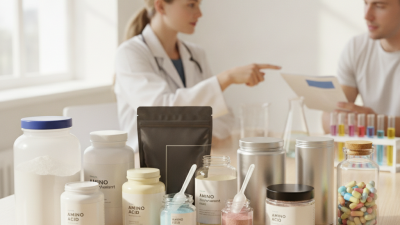
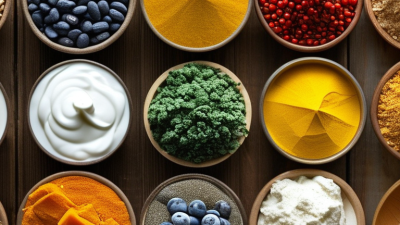
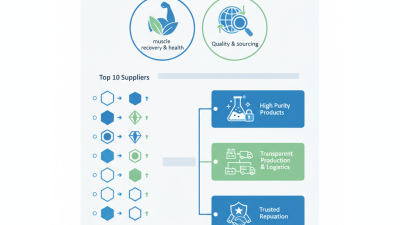
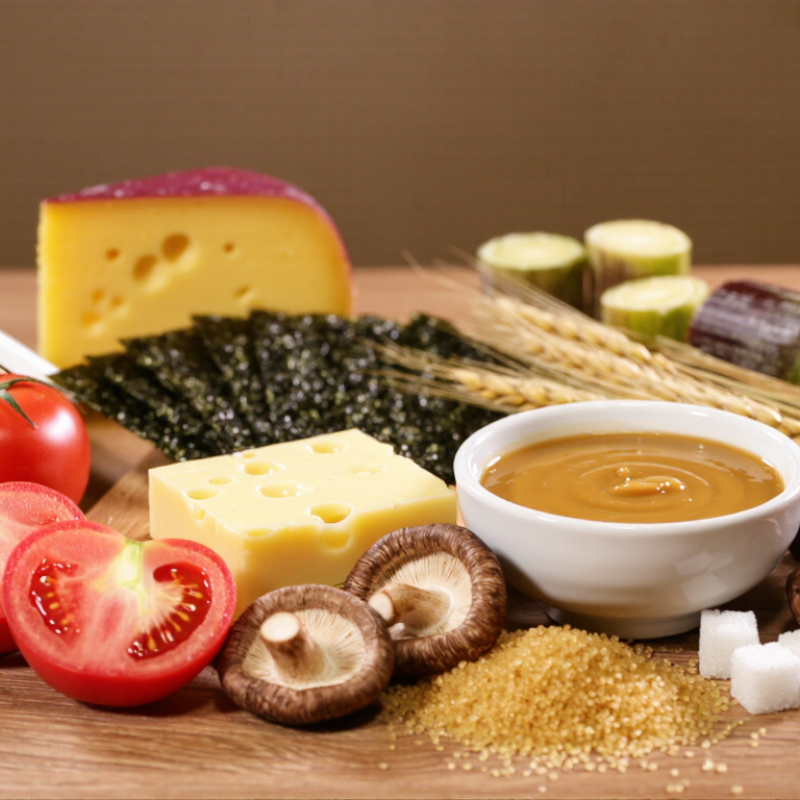
Natural Glutamate is starting to get some buzz—especially as food makers look for familiar, fermentation-based ingredients with clear sourcing stories. It's actually a naturally occurring amino acid. You'll find it in things like tomatoes, mushrooms, aged cheese, seaweed, and fermented foods. And that savory taste? That's what we know as umami.
You know, Professor Ole G. Mouritsen—one of the go-to experts on umami—once put it pretty simply: 'Umami is the taste of deliciousness.' And honestly, that one line says a lot about why buyers dig into Natural Glutamate way beyond whatever’s printed on the label. They’re after flavor that shows up reliably, quality that stays consistent, and a supply chain they can actually trace.
So, most commercial Natural Glutamate ingredients actually come from controlled fermentation. Depending on the producer, the sugar source might be corn, sugar cane, wheat, or tapioca. If you're buying, it's a good idea to ask for the manufacturing description, country of origin, certificate of analysis, allergen statement, and microbiological results. And depending on the market, you might also need non-GMO, organic, vegan, or halal documentation.
Honestly, supplier transparency is a big deal. You can't just rely on a “natural” label—that alone doesn’t tell you much. What counts as natural can vary quite a bit from one country to another, and even between product categories. So, as a buyer, it’s worth checking how that ingredient is actually classified legally in the market you’re targeting. And don’t forget the practical stuff too: purity, moisture, how it performs in your application, packaging, lead times, and minimum order quantities.
You’ll find some suppliers give great technical support. Others? They might send you nice-looking samples, but the documentation is, well, not so great. That difference really matters. So a practical way to evaluate them is to do some bench testing—think soups, sauces, snacks, or plant-based foods. Because taste can shift once you heat it, store it, or blend it with salt.
The market’s still evolving, and honestly? Not every claim out there is crystal clear. So when it comes to sourcing, being careful is usually the safer bet. In this article, we’ll look at what “Natural Glutamate” actually means, how it’s made, and where qualified buyers can find it from responsible sources.
Natural Glutamate Defined: CAS 56-86-0, E620, and INS 621
Natural glutamate is the free form of glutamic acid, an amino acid found in tomatoes, mushrooms, seaweed, and aged foods. Its chemical identity is CAS 56-86-0. In food documentation, E620 refers to glutamic acid itself, while INS 621 identifies monosodium glutamate, its sodium salt.
These codes are not interchangeable. E620 may appear in acidity or flavor documentation, whereas INS 621 is commonly used for savory taste enhancement. “Natural” usually describes the source or production process, not a separate chemical structure. Fermentation-based production can use plant-derived raw materials, but buyers should verify this claim.
A reliable sourcing review starts with a current specification sheet and certificate of analysis. Check assay, moisture, heavy metals, microbiological limits, allergen status, and country of origin. Request traceability records for each lot. Small details matter.
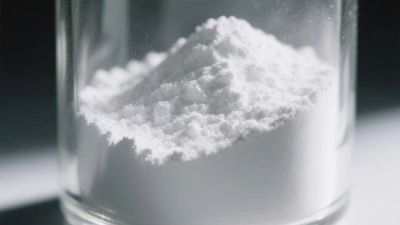
The powder should look uniform and remain free-flowing in a sealed bag. Clumping may suggest moisture exposure, although appearance alone proves little. I have found that supplier language can be surprisingly vague. Ask whether the material is glutamic acid, monosodium glutamate, or a blend.
Procurement teams comparing ingredients such as Natural Beta Carotene should use the same disciplined checks. Confirm food-grade compliance, packaging suitability, storage temperature, and declared additive numbering before purchase. E620 and INS 621 deserve separate entries in internal records.
Natural Glutamate: Food Sources and Regulatory Definitions
Natural glutamate is the glutamic acid naturally present in foods, either as part of proteins or in free form.
Free glutamate contributes to umami taste. E620 refers to glutamic acid, while INS 621 refers to monosodium glutamate (MSG), the sodium salt of glutamic acid.
Approximate free glutamate content in common foods, expressed as milligrams per 100 grams of edible portion.
Actual values vary with cultivar, maturity, processing, and analytical method. Representative food-composition values are adapted from published umami and food-science reference tables.
Buyer note: Natural glutamate can be sourced from protein-rich foods, fermented ingredients, sea vegetables, vegetables, and aged foods. Commercial E621 is typically produced through microbial fermentation rather than extracted directly from a single food.
How Fermentation Produces Natural Glutamate from Sugars and Starches
Natural glutamate is produced when microorganisms convert sugars or starch-derived glucose into glutamic acid. Industrial facilities often use sugar beet, cassava, corn, or wheat starch as carbon sources. The material is first liquefied with enzymes, then converted into fermentable glucose. Clean and controlled.
During fermentation, selected microbes grow in large stainless-steel tanks. They consume glucose and release glutamic acid into the broth. Operators adjust temperature, oxygen, pH, and nutrient levels throughout the cycle. Published fermentation studies commonly report broth concentrations above 100 grams per liter, although results vary with the strain and feedstock. A 2023 review in Applied Microbiology and Biotechnology identifies carbon supply, oxygen transfer, and pH control as major productivity factors.
After fermentation, filtration removes cells and solids. The liquid is concentrated, neutralized, and crystallized to produce Sodium Glutamate. Moisture and purity are checked before packaging. The Codex General Standard for Food Additives permits glutamates in specified food categories, while the FAO/WHO Joint Expert Committee on Food Additives lists the group’s acceptable daily intake as “not specified.” That classification is not a license for careless use; formulation still matters.
Buyers should request fermentation details, feedstock origin, assay results, allergen statements, and contaminant testing. A credible supplier can explain the production route, not just call the ingredient “natural.” Some starch sources may create a smaller processing footprint, but this depends on energy, water, and local agriculture. The label alone is not enough.
Glutamate in Foods: Protein Sources and Typical Dietary Functions
Natural glutamate occurs widely in protein-rich foods. The body also produces it.
Cheese, tomatoes, mushrooms, seaweed, meat, fish, beans, and soy foods provide glutamate. In these foods, much of it remains bound within proteins. Cooking, ripening, fermentation, or digestion can release free glutamate, which creates a savory taste on the tongue. Monosodium Glutamate is the sodium salt of glutamic acid. Its glutamate is chemically the same as glutamate found in foods.
Glutamate supports normal amino acid metabolism and helps form proteins in the body. It also contributes to umami perception, which can make broths, vegetables, and protein dishes taste fuller. Some intestinal cells use glutamate during digestion, although nutrition is rarely that simple. The amount and form can change with preparation. Fresh tomatoes and dried tomatoes may taste very different.
Buyers sourcing natural glutamate should examine the raw material, production method, and testing records. Fermented plant materials, protein-rich crops, and other food-based sources may be used, depending on the intended application. Supplier documents should identify allergens, sodium content, purity, batch traceability, and applicable food standards. “Natural” is not always a universal technical term. Its meaning may depend on local regulations and processing details. I would question any claim that treats natural origin as proof of superior nutrition. Evidence matters more than attractive wording.
Safety Benchmarks: EFSA’s 30 mg/kg-Body-Weight Group ADI
Natural glutamate is the same amino acid found in tomatoes, mushrooms, seaweed, cheese, and fermented foods. “Natural” describes the source or process, not a different molecule. Buyers commonly source it from plant fermentation, yeast-derived materials, hydrolyzed proteins, or concentrated vegetable ingredients. The supply chain matters. Ask for the botanical source, fermentation substrate, production country, and a current certificate of analysis.
EFSA’s Scientific Opinion on glutamates established a group acceptable daily intake of 30 mg per kilogram of body weight per day. The value covers glutamic acid and glutamates E620–E625, expressed as glutamic acid. This benchmark appears in EFSA Journal 2017;15(7):4910. It concerns exposure from glutamates used as food additives, rather than a universal limit for every naturally occurring glutamate molecule in food. That distinction is easy to miss.
For a 60-kilogram adult, 30 mg/kg equals 1,800 mg per day. This is a risk-assessment reference, not a recommended serving target. Buyers should compare the ingredient’s assay, sodium level, moisture, and proposed use rate. Codex General Standard for Food Additives provisions can support specification checks across markets. Still, documents do not replace realistic exposure modeling. A label may look clean, while repeated use across sauces, snacks, and seasonings raises total intake. The imperfect part is often the serving assumption. Human diets rarely follow spreadsheets.
Natural Glutamate Formats: Glutamic Acid, MSG, and Fermentation Broths
Natural glutamate appears in several practical formats, and each behaves differently in food production. Glutamic acid is the free amino acid form. It contributes a mild savory character but may have limited solubility, depending on pH and temperature. Monosodium glutamate, or MSG, is the sodium salt of glutamic acid. It dissolves readily and offers consistent flavor performance in soups, sauces, snacks, and seasoning blends. The term natural can mislead. Source and processing both matter.
Fermentation broths are less refined materials. They may contain glutamic acid, MSG, minerals, residual nutrients, and other amino acids. Some buyers prefer them for cleaner-label concepts or processing flexibility. However, their composition can vary between batches. A reliable supplier should provide a current specification, certificate of analysis, fermentation details, allergen information, and microbiological results. Check heavy-metal limits too. Ask whether the material is suitable for food, feed, or technical use. These categories should not be assumed interchangeable.
Tips:
Match the format to your application before requesting samples. Test solubility, taste, color, pH, and heat stability in the finished recipe. Request two or three production lots, not one convenient sample. I would not approve a supplier from documents alone; a small pilot test often reveals unexpected saltiness or aroma. Buyers can source these ingredients through qualified fermentation manufacturers, specialty distributors, or regional ingredient partners with traceable quality systems. Specifications deserve careful reading.
Where Buyers Source It: Fermenters, Ingredient Distributors, and Regions
Natural glutamate is commonly sourced through microbial fermentation rather than chemical synthesis. Fermenters use carbohydrate-rich feedstocks, such as tapioca, corn, or sugar, under controlled conditions. The resulting glutamic acid may be processed into food-grade glutamate ingredients.
Buyers usually work with three supply channels: fermentation manufacturers, ingredient distributors, and regional trading specialists. Direct purchasing from fermenters can offer stronger traceability and production details. Distributors may provide smaller quantities, local warehousing, technical documents, and faster delivery. Regional sourcing also matters. East and Southeast Asia have extensive fermentation capacity, while Europe and North America offer established distribution networks and strict documentation practices. Availability, freight costs, and import requirements can change quickly.
Tips: Request a current specification sheet, certificate of analysis, allergen statement, and traceability record. Confirm whether “natural” matches the buyer’s target-market definition. Check moisture, purity, packaging, shelf life, and microbiological limits. Ask how suppliers handle batch variation. One overlooked detail can delay approval. A sample may pass testing, yet the next batch can perform differently. Buyers should compare at least two qualified sources and review production evidence, not only sales claims. Supplier audits, storage conditions, and transport temperatures deserve attention too. The cheapest quote is rarely the complete cost.
How Buyers Verify Origin: COA, Non-GMO, Organic, and Halal Certifications
Natural glutamate occurs in foods such as tomatoes, mushrooms, seaweed, and aged vegetables. Buyers usually source it from plant-based fermentation or concentrated natural ingredients. The word “natural” requires careful checking, because definitions differ across markets and regulations.
A current Certificate of Analysis (COA) should match the shipment’s lot number, production date, and product specification. Check assay, moisture, microbiological limits, heavy metals, and testing methods. An independent, competent laboratory adds credibility. I also compare the COA with a retained sample, when possible. Paperwork can look perfect, yet a mismatch in color, odor, or solubility may signal a handling issue. A COA is evidence, not absolute proof.
Non-GMO documentation should identify the assessed raw materials and certification scope. Organic certification needs a valid certificate, permitted processing details, and traceable records from farm to finished ingredient. For Halal verification, buyers should confirm the certified site, product name, ingredients, processing aids, and certificate validity. Supplier audits, batch records, and sealed packaging strengthen origin claims. I prefer suppliers who answer technical questions with records, not broad assurances. Some claims remain unclear, especially when a supplier provides an outdated certificate. That is a reason to pause and verify, not assume.
Natural High-Purity Pullulan Powder: Vegan Food and Pharmaceutical Solutions from China
Natural high-purity pullulan powder is a vegan polysaccharide produced through natural fermentation, offering a clean-label solution for food, beverage, dietary supplement, and pharmaceutical formulations. Its odorless, water-soluble profile supports smooth processing, while its excellent film-forming and thickening properties help improve texture, stability, and product presentation. The FAO/WHO JECFA database identifies pullulan as food additive INS 1204 and assigns an “ADI not specified” designation when used in accordance with good manufacturing practices, supporting its broad potential in regulated food applications.
Pullulan is especially valuable for vegetarian and vegan products because it can form clear, flexible, edible films without animal-derived materials. In supplements, it may be used in capsule shells, oral films, and protective coatings, while beverage developers can use it to enhance mouthfeel and formulation consistency. International food-additive regulations list pullulan as an approved glazing or film-forming ingredient in specified applications, reflecting its established technical role. Produced in a modern China-based facility and sourced through reputable supply channels, high-purity pullulan powder can help manufacturers develop reliable vegan food and pharmaceutical solutions with consistent quality, water solubility, and formulation performance.
FAQS
It is the same amino acid found in tomatoes, mushrooms, seaweed, cheese, and fermented foods. “Natural” describes the source or process, not a different molecule.
A group acceptable daily intake is 30 milligrams per kilogram of body weight daily. It covers glutamic acid and glutamates E620–E625, expressed as glutamic acid.
The calculation equals 1,800 milligrams per day. This is a risk-assessment reference, not a recommended serving target.
No. It concerns exposure from glutamates used as food additives. It is not a universal limit for every naturally occurring glutamate molecule.
Common formats include glutamic acid, monosodium glutamate, and fermentation broths. They differ in solubility, composition, flavor, and batch consistency.
Glutamic acid may dissolve poorly at certain pH levels and temperatures. Monosodium glutamate dissolves readily and performs consistently. Fermentation broths can contain minerals and other amino acids.
Request a current specification, certificate of analysis, fermentation details, allergen information, and microbiological results. Check heavy-metal limits and the production country.
Test solubility, taste, color, pH, and heat stability in the finished recipe. Request two or three production lots. Documents are not enough.
Compare assay, sodium level, moisture, and proposed use rate. Include repeated use in sauces, snacks, and seasonings. The serving assumption is often imperfect.
I would not approve one from documents alone. A small pilot may reveal unexpected saltiness, aroma, or color. Test the finished recipe.
Conclusion
Natural Glutamate refers to glutamic acid and its salts, commonly identified by CAS 56-86-0, E620, and INS 621. It is typically produced through the fermentation of sugars or starches by selected microorganisms, creating a practical alternative to extraction-based production. In foods, glutamate naturally occurs in protein-rich ingredients such as vegetables, grains, legumes, dairy products, and other protein sources, where it contributes to savory taste and normal dietary amino acid intake. Common commercial formats include glutamic acid, monosodium glutamate (MSG), and fermentation broths.
Buyers can source Natural Glutamate directly from fermentation producers, ingredient distributors, and regional suppliers serving food, nutrition, and processing industries. Responsible purchasing should include verification of the certificate of analysis, production method, composition, purity, and traceability. Depending on market requirements, buyers may also request Non-GMO, organic, and Halal documentation. Safety assessments should be reviewed against applicable standards, including EFSA’s group acceptable daily intake benchmark of 30 mg per kilogram of body weight.