The global Food Additives market plays a big role in helping create products that are safer, more consistent, and actually more appealing to consumers. You’ll find suppliers offering a range of ingredients like preservatives, stabilizers, emulsifiers, sweeteners, colors, and those tricky texture solutions. These might pop up in everything from bread and drinks to dairy, sauces, and health foods.
In this overview, we'll take a look at some of the big players—like Ingredion, Tate & Lyle, Kerry, Givaudan, ADM, Cargill, and DSM-Firmenich. They serve different regions and have varying manufacturing focuses. Some are really into plant-based ingredients, while others specialize in flavors, functional systems, or clean-label options. Their technical teams? They’re often on hand to help manufacturers test out dosage, stability, taste, and how well things process—sometimes just as important as the product itself.
It’s worth noting: the quality and support a supplier provides should always come first. But keep in mind, what’s considered ‘top’ can differ a lot depending on what you need. A big multinational might prioritize global distribution or thorough documentation, while a smaller factory could be looking for flexible minimum orders, local stock, or just straightforward advice on formulations. Things like certification, traceability, allergen control, and understanding regulations are also super important. Buyers should always review specs carefully and double-check that products meet current compliance standards in the markets they’re targeting.
This guide aims to help you compare suppliers based on their experience, technical ability, range of products, reliability, and customer support. But, a quick heads-up—public rankings can sometimes oversimplify a pretty complex industry. A company that’s a star in one region or application might not be the best fit elsewhere. Plus, a supplier’s shiny branding doesn’t always mean they’re the best technical match for your needs. So, doing careful trials is really key before making any big purchasing decisions.
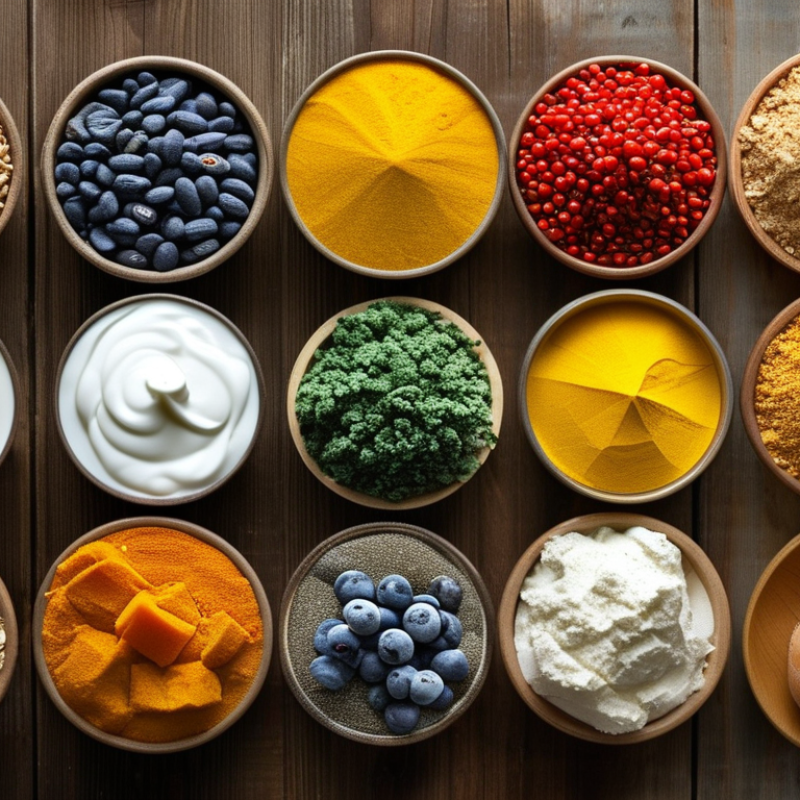
Food additives are substances added to food for a clear technical purpose. They can preserve freshness, improve texture, balance acidity, or maintain color. A stabilizer can keep a sauce smooth after heating and cooling. An emulsifier helps oil and water remain blended. Without these functions, many foods would separate, spoil, or lose their expected texture.
Small amounts matter. In practical production, an experienced technician checks how an additive behaves during mixing, storage, and transport. A baker may notice a softer crumb after several days. A beverage producer may monitor sediment at the bottom of a bottle. These details influence the final formula. Food Grade L-Serine may be used in certain nutritional or specialized food formulations, depending on its specifications and approved application. Its purity, moisture level, microbiological quality, and batch consistency require careful review.
Reliable worldwide suppliers should provide clear technical data, certificates of analysis, traceability records, and storage instructions. They should also explain recommended handling conditions instead of making vague promises. The picture is not always simple. A familiar ingredient can behave differently in a new recipe. Even careful formulation decisions may need adjustment after real shelf-life testing. That uncertainty is why responsible manufacturers evaluate additives under controlled conditions and follow applicable food-safety requirements.
Food additives should be classified by function, not by chemical name alone. The Codex General Standard for Food Additives identifies 27 functional classes, including preservatives, antioxidants, emulsifiers, stabilizers, and acidity regulators. This system helps suppliers and buyers compare materials across regions. It also supports clearer label reviews and formulation decisions.
A preservative slows microbial growth, while an antioxidant limits oxidation in oils, colors, and flavors. An emulsifier helps water and oil remain blended. A stabilizer protects texture during storage, transport, and temperature changes. Food Additive Malic Acid is commonly assessed as an acidity regulator and flavoring substance. Its sharp, clean acidity suits beverages, confectionery, and fruit-based products. The FAO/WHO JECFA evaluations show why safety assessment must consider identity, exposure, and intended use. The Codex GSFA database then connects these evaluations with permitted technological functions.
Suppliers should provide specifications, purity data, allergen statements, and traceability records. A clear certificate of analysis matters more than polished sales language. Small differences in particle size can change dispersion and mouthfeel. Classification is not always tidy. One additive may serve several functions in one recipe. That detail is easy to overlook. The 2024 global food additives market assessments also indicate continued demand for texture, shelf-life, and clean-label solutions, although market estimates vary by methodology. Buyers should therefore verify each report’s scope, regional coverage, and regulatory assumptions before comparing worldwide suppliers.
Asia-Pacific currently anchors the global food additives market through scale, processing capacity, and expanding urban demand. China, India, Japan, and Southeast Asia support large production networks. Their factories supply sweeteners, preservatives, texturizers, amino acids, and functional blends. Food grade Glycine is one example, used in seasonings, beverages, and nutrition-focused formulations. Competitive labor and improving logistics keep regional prices attractive. However, quality consistency can vary between facilities. Buyers need current certificates, batch records, and independent testing.
North America remains influential through technology, strict quality systems, and strong demand for convenient foods. The United States and Canada purchase specialized additives for bakery, dairy, beverages, and sports nutrition. Local suppliers often compete through technical service rather than volume alone. Application laboratories test stability, taste, solubility, and shelf performance before commercial release. This support reduces reformulation risks. It also raises costs.
Europe leads in premium formulation, traceability, and regulatory discipline, especially for clean-label and low-sugar products. Germany, France, Italy, the Netherlands, and Spain connect manufacturers with sophisticated food processors. Environmental expectations are reshaping energy use, packaging, and transport decisions. Latin America and the Middle East are growing through population growth and processed-food investment. Yet market leadership is not permanent. Freight disruptions, water stress, and changing consumer preferences can quickly alter sourcing decisions. In practical sourcing work, the cheapest supplier is rarely the safest choice. Transparent data and responsive quality teams matter during a recall investigation.
Who Are the Top Food Additives Suppliers Worldwide?
The leading food additives suppliers are large, diversified ingredient manufacturers with global production networks. They commonly provide sweeteners, preservatives, emulsifiers, stabilizers, enzymes, colors, and flavor systems. Market leadership is not based on volume alone. It also depends on technical support, batch consistency, regulatory documentation, and reliable delivery.
Research reports show a fragmented but expanding market. Grand View Research estimated the global food additives market at more than USD 140 billion in 2022, with continued growth expected through 2030. MarketsandMarkets reported a different market value because its scope excludes some flavor and ingredient categories. This difference matters. Buyers should compare definitions before accepting supplier rankings.
The strongest suppliers usually operate across North America, Europe, and Asia-Pacific. They maintain multiple manufacturing sites and regional laboratories. Their quality systems often include HACCP, ISO 22000, and traceability controls. Some also offer clean-label alternatives, fermentation-based ingredients, and lower-sodium solutions. However, no supplier is best for every application. A bakery producer may need a different partner than a beverage manufacturer. Price can also hide risk. A cheaper additive may create higher costs through inconsistent texture, delayed customs clearance, or reformulation work. Industry reports provide useful scale data, but factory audits and sample testing remain essential. That practical step is sometimes overlooked.
Choosing among top food additives suppliers worldwide requires more than comparing prices. A reliable evaluation starts with product identity, manufacturing controls, and consistent documentation. Ask for a current specification sheet, certificate of analysis, allergen statement, and traceability information. The supplier should explain how each batch is tested and retained.
Product performance must match your process. For Food Grade Sodium CMC, compare viscosity, moisture, purity, particle size, and hydration speed. Request small samples from different production batches. Test them in your actual formula, not only in laboratory water. Observe mixing time, texture, stability, and performance after storage. A lower price can become expensive when the additive creates rework or inconsistent mouthfeel.
Supplier communication also reveals operational strength. Measure response time, technical support, minimum order quantities, lead times, and packaging quality. Inspect whether bags arrive sealed, dry, and clearly labeled. During a trial, record lot numbers and processing conditions. Small details matter. A polished website proves little. A complete document package is useful, but it does not replace an audit or plant visit. Some comparisons remain imperfect because testing methods differ between suppliers. Clarify those differences before making a decision. Regular review is necessary, even after approval, because raw material sources and production conditions can change.
Technical comparison of common additive products by their typical effective pH range. Use this type of specification review to evaluate supplier suitability, application fit, documentation, and regulatory compliance.
The ranges are indicative formulation ranges commonly used in food technology and are not legal maximums. Actual performance depends on concentration, food matrix, processing conditions, and local regulations. Regulatory checks should be made against the Codex GSFA, JECFA specifications, and the applicable national food standards.
Food additives suppliers worldwide face a more demanding market than simple volume growth. The UNEP Food Waste Index Report 2024 estimates that 1.05 billion tonnes of food were wasted in 2022. This figure increases demand for safe preservatives, stabilizers, and packaging-compatible solutions. However, suppliers must prove performance under real storage conditions, including temperature changes, transport delays, and humid warehouses.
Regulation will shape future supply chains. The Joint FAO/WHO Expert Committee on Food Additives evaluates safety evidence, while the Codex General Standard for Food Additives supports international trade. Suppliers with clear specifications, traceable raw materials, and consistent testing can respond faster to changing national rules. Small documentation gaps can still stop a shipment. That is often overlooked.
Sustainability will also influence purchasing decisions. The World Health Organization estimates that contaminated food causes about 600 million illnesses each year. This pressure encourages stronger quality systems, cleaner processing, and better contamination control. At the same time, buyers increasingly request lower-carbon production and responsibly sourced ingredients. Alternative feedstocks may reduce environmental impact, but they can bring unfamiliar impurities or unstable pricing. The industry should examine both benefits and limits. Cost remains decisive, especially for manufacturers operating with narrow margins. Regional production, dual sourcing, and digital batch tracking may therefore become practical advantages rather than optional improvements.
: Leading suppliers are usually diversified ingredient manufacturers with global production networks. They provide sweeteners, preservatives, emulsifiers, stabilizers, enzymes, colors, and flavor systems. Scale alone does not prove quality.
Reliable suppliers offer consistent batches, clear specifications, technical support, and dependable delivery. Their systems often include hazard control, traceability, and documented testing. A polished website proves little.
Compare purity, moisture, particle size, viscosity, hydration speed, and storage stability. Request samples from different production batches. Test them in the actual formula, not only in water.
Request a current specification sheet, certificate of analysis, allergen statement, and traceability records. Ask how samples are tested and retained. Missing documents can delay approval.
Measure mixing time, texture, viscosity, and performance after storage. Record the lot number and processing conditions. Small details matter.
Not always. An inexpensive additive may cause rework, unstable texture, delayed delivery, or reformulation costs. The cheaper option can become expensive.
Check response time, minimum order quantities, lead times, packaging quality, and technical support. Bags should arrive sealed, dry, and clearly labeled. An audit remains useful.
Food waste, stricter safety expectations, changing regulations, and sustainability demands will influence purchasing. Suppliers may use regional production, dual sourcing, and digital batch tracking. These solutions still need practical cost checks.
National rules may differ, even for similar ingredients. Clear specifications and traceable raw materials can prevent shipment problems. Documentation alone is not enough.
Testing methods can differ between suppliers, making comparisons imperfect. Raw material sources and production conditions may change later. Regular review is necessary. Nothing stays perfect.
Food Additives are substances used in food production to improve quality, safety, appearance, texture, flavor, stability, and shelf life. They can be classified by function, including preservatives, antioxidants, colorants, sweeteners, emulsifiers, stabilizers, thickeners, acidity regulators, and flavor enhancers. Their use helps manufacturers maintain consistent product performance while meeting consumer expectations and regulatory requirements.
The global food additives market is supported by strong demand across developed and emerging regions, with supply shaped by food processing growth, changing diets, clean-label preferences, technological innovation, and access to reliable raw materials. When comparing suppliers, buyers should assess product quality, technical support, certifications, traceability, production capacity, delivery reliability, pricing, and compliance with applicable food safety standards. In the future, suppliers that provide sustainable, transparent, effective, and consumer-friendly solutions will be best positioned to support the evolving food industry.