When you're looking to source Monosodium Glutamate (MSG) from anywhere around the world in 2026, it’s not just about comparing prices listed in quotes. There’s a lot more to consider — like checking out a supplier’s production capacity, making sure their food-grade certifications are solid, and verifying that shipments are reliable and consistent. Little details really do matter here! For example, even something as small as a difference in mesh size can throw off your blending process, and if the product gets exposed to moisture, it might turn into caking during storage. These are real-world issues, not just theoretical stuff.
Trade data can help narrow down your options and build a short list of potential suppliers, but you’ve got to interpret it carefully. For instance, UN Comtrade tracks international trade in broad categories, and the glutamic acid and salts category might include products beyond just MSG, so it’s not a foolproof indicator of quality or output. It’s a good starting point, but you'll want to dig deeper. Resources like FAOSTAT can give you a broader picture of food and agriculture trends. Still, nothing beats getting directly in touch with suppliers — ask for recent certificates of analysis, examine product specifications, inspect batch documents, check packaging standards, and review their export history.
But don’t forget, sourcing isn’t just about specifications. You’ll need to think about lead times, port options, payment terms, and whether you have contingency stock ready to go, just in case. Those enticing low ex-works quotes can be deceiving once you add freight, insurance, testing, and all the delivery risks into the mix. It’s a good idea to ask for recent test certificates and samples that match what you need, then compare the total landed cost along with how reliable their service really is — doing all this on the same footing.
Sure, no checklist can eliminate every risk, and records aren’t always perfect. Forecasts can be a little off sometimes too. But following a careful, disciplined approach like this makes your global sourcing way clearer and ultimately more resilient. It’s all about reducing surprises and making smarter choices in what can be a complex game.

How to Source Monosodium Glutamate Globally in 2026?
Define Monosodium Glutamate Grades, Specifications, and Intended Uses
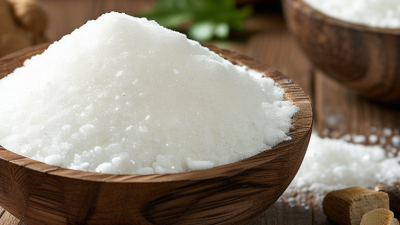
Global MSG sourcing should begin with the intended application, not the lowest quotation. Food-grade MSG suits soups, sauces, snacks, marinades, and prepared meals. Its flavor performance depends on crystal size, dissolution speed, and dosage control. Fine crystals dissolve quickly in liquid products. Larger crystals may work better in dry seasoning blends.
A practical specification should state assay, moisture, pH, particle-size range, solubility, and microbiological limits. Confirm heavy-metal limits and contaminant controls through current certificates of analysis. Ask for allergen statements, safety data sheets, production-flow details, and valid food-safety certifications. Country-specific import rules may also require labeling or registration documents. Do not accept “food grade” as a complete specification.
For 2026 procurement, request samples from more than one approved source. Test them in the actual recipe, not only in a laboratory beaker. Compare flavor intensity, aftertaste, clumping, packaging quality, and batch consistency. A supplier should explain its raw-material origin and traceability process. It should also provide sealed packaging suitable for humidity-sensitive storage.
Experienced buyers still make mistakes here. We may focus too heavily on purity and overlook particle behavior. A perfect certificate cannot guarantee identical performance in every formula. Keep retention samples and define acceptance limits before signing a long-term contract. This makes price comparisons more honest and reduces surprises during production.
MSG (INS 621) is commonly specified by assay and physical form. The Codex/JECFA identity standard sets an assay range of 99.0–100.5% on a dried basis; it does not define universal commercial particle-size grades.
Sourcing note: Confirm the applicable food-additive standard, assay basis, moisture and other certificate-of-analysis limits with the supplier. Select crystal or granular form and particle size to suit the process—for example, rapid dissolution in liquid seasonings or easier handling in dry blends. These physical forms are commercial choices, not separate universal MSG purity grades.
In 2026, global sourcing of monoSodium Glutamate starts with understanding where production is concentrated. China remains a major manufacturing base, while Indonesia, Thailand, and Vietnam also produce MSG using fermentation. Brazil and other markets may offer regional supply options, though availability can vary by grade and volume. Sodium Glutamate is often listed under different product descriptions, so confirm the chemical name, food-grade status, and specification sheet before comparing offers.
Supplier types serve different needs. Direct manufacturers can provide production details, batch documentation, and larger volumes, but may require higher minimum orders. Exporters coordinate international shipping and paperwork, while regional distributors can offer smaller lots and shorter delivery routes. Ingredient brokers may connect buyers with several sources, yet their supply chain visibility can be limited. Ask who made the material, where it was produced, and whether the batch documents match the shipment. Details matter.
A practical evaluation should cover assay, moisture, particle size, packaging, and shelf life. Request a recent certificate of analysis and compare it with an independent sample test when the order is significant. Check production capacity, lead times, and contingency plans rather than relying on a low quote alone. Freight costs and port delays can change the true landed price. I have found that supplier claims sound reassuring on paper; verification is still the part buyers sometimes rush.
| Region or Supplier Type | Market Role | Typical Sourcing Advantages | Points to Verify | Potential Supplier Route |
|---|---|---|---|---|
| China | A major global production and export base for food-grade monosodium glutamate (MSG), with a broad manufacturing and trading ecosystem. | Wide product availability, multiple crystal-size options, and access to export-oriented suppliers. | Confirm that the quoted supplier is the actual manufacturer or an authorized exporter. Check food-grade specifications, production-site details, export documentation, and shipment terms. | Direct manufacturer, manufacturer-appointed export agent, or qualified ingredient importer. |
| Indonesia | An established Southeast Asian production base serving domestic and international markets. | Regional supply options for buyers in Southeast Asia and access to established food-ingredient distribution channels. | Verify country of origin, production site, available grades, export capacity, and whether the offer is for locally produced material or re-exported goods. | Direct producer, regional distributor, or importer supplying nearby markets. |
| Vietnam | A regional source with production and trading activity in the wider Southeast Asian MSG market. | May provide an additional sourcing option for buyers seeking regional diversification. | Distinguish domestic production from trading or re-export activity. Request a current certificate of analysis and traceability documents for the manufacturing site. | Local manufacturer, export trader, or food-ingredient distributor. |
| Thailand | A Southeast Asian market with MSG production, imports, and established food-ingredient distribution. | Potential access to regional supply channels and distributors familiar with food-industry requirements. | Check whether a supplier manufactures locally or distributes imported product. Confirm origin, applicable food regulations, and delivery lead time. | Producer, authorized distributor, or regional importer. |
| Japan | An established market for MSG production and supply, alongside significant food-ingredient trade. | Potential access to suppliers with mature quality-management and documentation practices. | Assess availability, export suitability, price, and whether the quoted material is produced in Japan or sourced elsewhere. | Manufacturer, specialist ingredient distributor, or importer. |
| Direct manufacturer | A supplier that produces MSG at its own manufacturing facility. | Direct access to technical specifications, production records, and potentially larger-volume contracts. | Verify the legal entity and factory address, audit or certification scope, batch traceability, minimum order quantity, and capacity for the requested delivery schedule. | Best suited to buyers with recurring demand, technical requirements, and the resources to qualify a production site. |
| Authorized distributor | A third party appointed to sell a producer’s product in a defined territory or channel. | May offer local inventory, smaller order quantities, customer support, and consolidated deliveries. | Request evidence of authorization, confirm the original manufacturer and country of origin, and check storage and lot-traceability procedures. | Useful when local stock, smaller shipments, or in-market support is important. |
| Ingredient trader or broker | An intermediary that connects buyers with manufacturers or other suppliers and may not hold inventory. | Can provide access to multiple origins or coordinate sourcing for buyers with flexible specifications. | Identify the underlying seller and manufacturer before contracting. Confirm product ownership, payment terms, document authenticity, and responsibility for quality claims. | Consider for market discovery or supplementary supply; use documented due diligence before placing an order. |
| Regional importer or wholesaler | A local supplier importing MSG and reselling it within a national or regional market. | Can simplify local delivery, customs coordination, and communication with the buyer. | Check importer registration where required, local food-labeling compliance, batch records, storage conditions, and remaining shelf life. | Often suitable for smaller or urgent orders and buyers seeking domestic invoicing. |
| Buyer qualification checklist | For each offer, compare product grade and specification; request a current certificate of analysis, safety data sheet, and food-safety documentation; verify the manufacturing site and country of origin; agree on packaging, shelf life, Incoterms, shipment documents, and inspection arrangements; and confirm applicable import, labeling, and food-additive rules in the destination market. Production and export availability can change, so validate current capacity directly with prospective suppliers. | |||
When sourcing monosodium glutamate globally in 2026, verify the supplier before comparing price.
Request current business registration, food-safety certificates, and product specifications. Check that each document names the same legal entity and production site. Small mismatches matter. A certificate may cover one facility, while the quotation comes from another.
Ask for recent batch records, a sample certificate of analysis, and details on traceability. Confirm that the stated production capacity fits your forecast, including seasonal demand and planned maintenance. A supplier’s maximum output is not necessarily the quantity available to you. Ask how they handle delays, rejected batches, and raw-material shortages. Request evidence, not just reassurance. A remote audit or qualified third-party inspection can help, though neither replaces clear ongoing communication.
Regulatory requirements depend on the destination market and intended use. Check applicable food-additive rules, labeling requirements, import documentation, and any required testing with a qualified compliance professional. Confirm that specifications cover purity, moisture, and other relevant quality parameters. Keep dated copies of approvals and review them when regulations or production sites change. Documentation can look convincing and still leave gaps. I have seen checklists miss the practical question: who alerts you when a certificate expires? Set that responsibility in writing, and revisit the process periodically. No system is perfect, and a careful review can still miss something.
Compare Quotations, Contract Terms, and Sourcing Options
A useful quotation shows more than a price per kilogram. Compare grade, origin, packaging, minimum order, and delivery terms on the same basis. Ask whether the quoted price includes freight, insurance, and customs-related charges. Small differences matter. A 25-kilogram bag and a one-tonne bulk order can have very different handling costs.
Review contract terms before comparing suppliers. Check specifications, payment timing, shipment windows, shelf life, and procedures for handling damaged or off-specification goods. Request a recent certificate of analysis and a sample from the same production lot, where possible. Keep written records. One detail is easy to miss: confirm how long the quotation remains valid, since freight and raw-material costs can change.
Sourcing options may include direct manufacturers, qualified distributors, or regional importers. Each can offer different lead times, order sizes, and levels of technical support. Evaluate traceability and response quality, not just the lowest offer. If a product is described as Natural Glutamate , clarify what that term means in the supplier’s documentation; it is not a substitute for a precise product specification. I would also challenge my own comparison: the cheapest quote may still be the wrong choice if delivery dates are uncertain.
When sourcing monosodium glutamate globally in 2026, assess the material, not just the quoted price.
Request a current specification sheet showing assay, moisture, appearance, and particle size. Compare the values with your intended food application. A fine, even crystal can dissolve quickly, while larger crystals may suit different blending processes. Ask for a representative sample and check it under consistent lighting. Look for uniform color, dry texture, and packaging that remains sealed and clean.
Safety records deserve the same attention.
Request recent, lot-specific test results and review the methods, dates, and laboratory details. Check whether the documents cover relevant contaminants and microbiological criteria for your use. A polished certificate is not enough if its lot number differs from the shipment.
Ask how the supplier investigates complaints, handles rejected lots, and prevents moisture or foreign material from entering during packing. If an answer is vague, pause and ask again.
Keep a document file for each supplier and shipment.
It should include the product specification, certificate of analysis, safety data sheet where applicable, allergen statement, and traceability details. Confirm that names, dates, grades, and lot codes agree across records. Verify that the documents are current and readable, not cropped scans. Requirements can vary by destination and application, so confirm them with qualified compliance staff before ordering. I would not treat a complete folder as proof of quality; paperwork helps, but a checked sample and consistent follow-up matter too. Sometimes the process feels repetitive. It is.
How to Source Monosodium Glutamate Globally in 2026?
Global MSG sourcing requires more than comparing supplier prices. It requires a shipping plan built around port capacity, customs rules, and food-grade documentation. UNCTAD’s Review of Maritime Transport 2024 reported that maritime trade grew by 2.4% in 2023. It also warned that rerouting and geopolitical disruptions can increase voyage distances, costs, and delays. Buyers should book space early, confirm container conditions, and compare at least two arrival ports. A cheaper ocean rate may become expensive after demurrage.
Customs clearance should begin before production. Confirm the correct HS classification with a licensed customs broker and the destination authority. Prepare the commercial invoice, packing list, certificate of analysis, certificate of origin, and applicable food-import documents. Product labels should match local language and ingredient requirements. The World Bank’s Logistics Performance Index 2023 emphasizes that predictable customs and shipment tracking strongly influence supply-chain reliability. Still, documents are not always perfect. One inconsistent lot number can hold a container for days.
Supply continuity needs practical protection. Keep approved suppliers in different regions, where possible. Maintain safety stock based on actual consumption, not optimism. Use rolling forecasts and monitor vessel schedules weekly. The WTO estimates that full Trade Facilitation Agreement implementation could reduce trade costs by an average of 14.3%. That opportunity depends on accurate filings and responsive brokers. A spreadsheet can still lie. Review lead times after every shipment, including inspection delays, port storage, and damaged packaging, then adjust the next purchase order.
Request current business registration, food-safety certificates, product specifications, batch records, and a sample certificate of analysis. Check that the documents name the same company and production site. Small mismatches matter.
Compare stated capacity with your forecast, seasonal demand, and planned maintenance. Ask what quantity is actually available to you, and how the supplier handles shortages or rejected batches. Maximum output is not your allocation.
Confirm purity, moisture, grade, packaging, and other relevant quality parameters. Request a sample from the same production lot when possible. Keep dated records and review them when specifications change.
Compare price, origin, grade, minimum order, packaging, and delivery terms on the same basis. Check whether freight, insurance, and customs-related charges are included. A 25-kilogram bag may have different handling costs from bulk shipment.
Review payment timing, shipment windows, shelf life, and procedures for damaged or off-specification goods. Confirm how long the quotation remains valid. One detail can slip through.
Confirm container conditions and compare arrival ports before booking. Prepare the commercial invoice, packing list, origin documents, and applicable food-import paperwork before production is complete. Ask a qualified customs broker to verify classification.
Book shipping space early and track vessel schedules weekly. Check that lot numbers match across documents; one inconsistency can delay a container. Keep copies. Delays can still happen.
Consider approved suppliers in different regions and set safety stock using actual consumption. Review lead times after each shipment, including inspection delays, storage, and damaged packaging. My forecast may still be too optimistic.
Sourcing Monosodium Glutamate globally in 2026 starts with defining the grade, specifications, and intended application, including the required purity, packaging, and delivery volume. Buyers can then identify suitable producing regions and supplier types, and assess each supplier’s production capacity, quality systems, certifications, and compliance with applicable requirements.
A reliable sourcing plan also compares quotations, payment terms, contract conditions, and available supply options—not price alone. Review product specifications, safety records, and supporting documentation before placing an order. Finally, account for international freight, customs procedures, lead times, storage, and backup supply arrangements. A structured approach helps buyers balance quality, cost, and continuity while reducing avoidable disruptions.