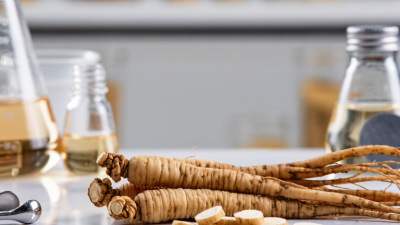
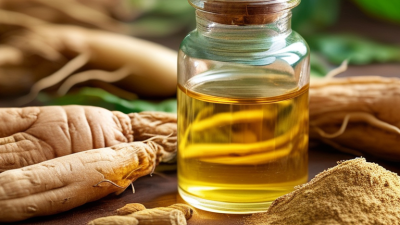
How to Source Ginseng Extract in 2026? requires more than comparing prices or reading attractive supplier brochures. Buyers need traceable roots, validated extraction methods, consistent specifications, and clear documentation. Dr. Andrew Weil, a respected integrative medicine physician, once wrote, “Ginseng is one of the most popular herbs in the world.” Popularity, however, does not prove quality.
A reliable sourcing process begins with the botanical identity, plant part, cultivation region, and harvest year. Ask suppliers for certificates of analysis covering ginsenoside profiles, microbial limits, heavy metals, pesticides, and residual solvents. Review whether the testing laboratory is independent and properly accredited. A supplier should also explain its extraction solvent, concentration ratio, drying temperature, and batch-release process. Small details matter. A dark powder can still be poorly standardized.
Manufacturers such as Ginsana and Korean Ginseng Corp. have helped establish stronger expectations for documentation and consistency. Still, buyers should verify every claim independently. Supplier reputation is useful, but it is not enough. I would not assume a higher ginsenoside percentage always means a better ingredient. The intended product, dosage format, stability, and consumer group must guide the specification. This is where sourcing decisions can become imperfect. Real-world supply chains change, and some records may need further review.
Do not confuse Ginseng Extract with unrelated botanical materials. Search terms like Pine Bark Extract Pine Bark Extracts Pine Bark Extract Powder Pine Bark Extract Supplement Pine Bark Extract Supplier may appear in databases, but they describe different ingredients. In 2026, the strongest purchasing decision will combine practical factory experience, scientific verification, transparent communication, and careful reflection before signing a contract.

How to Source Ginseng Extract in 2026?
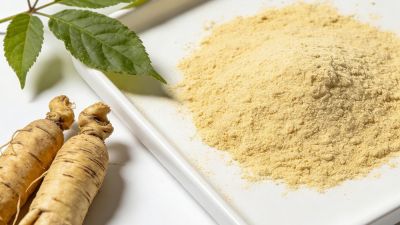
Ginseng extract is not one uniform ingredient. Define the species before requesting prices. Asian ginseng, Panax ginseng, and American ginseng, Panax quinquefolius, differ in origin and ginsenoside profiles. Red ginseng is steamed and dried. White ginseng is usually dried without steaming. These processes can change color, aroma, solubility, and marker compounds. Ask whether the extract is powder, liquid, or granulated. Small wording differences can hide major specification changes.
Match the extract to its intended use. A beverage may need water dispersibility, mild flavor, and low sediment. A capsule may prioritize concentrated ginsenosides, flow, and stable moisture. Cosmetic applications require appearance, odor, preservative compatibility, and skin-safety documentation. Do not select a high assay automatically. It may be unsuitable for the finished product. Define dosage, format, target market, and storage conditions before sampling.
Review the source with evidence, not polished claims. Cultivated roots usually offer steadier supply, while wild-harvested material needs stronger identity and sustainability records. Request botanical authentication, country-of-origin data, batch traceability, and a current certificate of analysis. Check HPLC results for declared ginsenosides, plus microbial, pesticide, heavy-metal, and residual-solvent tests. Confirm testing by an independent laboratory when risk is high. I would also inspect a retained sample for color, odor, and clumping. That step is easily skipped. It should not be. One imperfect point remains: standardized does not always mean comparable. Ask for the actual profile, not only the headline percentage.
Sourcing Ginseng Extract in 2026 starts with measurable requirements, not attractive certificates. Define the species, plant part, extraction solvent, and ginsenoside profile before requesting samples. The U.S. Pharmacopeia’s botanical guidance emphasizes identity testing, while ISO/IEC 17025 supports competence in laboratory results. Ask for HPLC data showing Rg1, Rb1, and total ginsenosides. A single “standardized extract” statement is too vague.
Set a potency range with an allowed tolerance, such as 8–10% total ginsenosides, only after confirming product suitability. The exact range must match the intended use. Test each batch for pesticides, heavy metals, microbes, residual solvents, and undeclared pharmaceuticals. The World Health Organization’s quality-control guidance for medicinal plants recommends combining macroscopic, microscopic, chemical, and contaminant testing. One test is not enough. Request raw chromatograms, sampling records, and a dated certificate of analysis, rather than a generic PDF.
Compliance also requires traceability from farm to finished Ginseng Extract. Record origin, harvest year, drying temperature, extraction ratio, and packaging conditions. The 2024 Global Dietary Supplements Survey reported that quality and safety remain leading consumer concerns across supplement markets. That pressure affects purchasing decisions. Review stability data under realistic heat and humidity conditions. I would not rely on a supplier’s first successful sample; seasonal variation can change marker levels, and that uncomfortable risk deserves a written control plan.
How to Source Ginseng Extract in 2026?
Qualified supplier comparison should begin with botanical identity, not price. Ask whether the extract comes from the declared ginseng species, plant part, and growing region. For a Ginseng Leaf Extract Supplement, confirm that leaves, not roots, are used. Request a recent certificate of analysis showing ginsenoside levels, moisture, microbiological results, heavy metals, pesticides, and residual solvents. Test methods should be clearly named and suitable for the product.
Review each supplier’s quality system and traceability records. Reliable suppliers should provide batch numbers, harvest details, storage conditions, and documented manufacturing controls. Check whether their facility follows recognized good manufacturing practices and supports independent audits. Compare sample consistency across at least two batches. One attractive sample proves little. Packaging matters too; sealed, light-resistant bags help protect the powder during transport. Ask about lead times and minimum order quantities before approval.
Tips: Build a simple supplier scorecard. Give separate scores for identity, testing, traceability, documentation, communication, and total cost. Do not accept copied laboratory reports. Call the laboratory if results appear unusually vague. A practical mistake is treating the lowest quotation as the best value. It may exclude testing, secure packaging, or import documentation. No supplier is perfect. Recheck specifications when regulations, crop conditions, or customer requirements change.
Use this qualification framework to compare ginseng extract suppliers without relying on brand names. The weighting emphasizes identity, standardized ginsenoside content, contaminant control, traceability, and independent laboratory verification. Qualified suppliers should provide documentation aligned with recognized practices such as GACP, GMP, USP methods, AOAC methods, and ISO/IEC 17025 laboratory testing.
The percentages represent a procurement evaluation model totaling 100%; buyers should adjust the weighting according to product format, destination-market regulations, and intended use.
A reliable supplier should show more than a polished certificate. Request the farm lot, harvest date, drying location, and extraction batch. For Ginseng Leaf Extract, confirm botanical identity with HPTLC or HPLC testing. The report should identify key ginsenosides and their tested concentrations. It should also cover pesticides, heavy metals, microbes, and residual solvents. Ask for the original certificate of analysis, not a rewritten spreadsheet.
Traceability matters because herbal materials often pass through several handlers. WHO’s 2019 Global Report on Traditional and Complementary Medicine states that 170 countries report using traditional medicine, while 88% of WHO member states recognize its use. That scale increases the need for documented controls. Require supplier audits, GMP evidence, and a food-safety certification such as ISO 22000. Certifications help, but they do not replace batch verification.
Look for sealed sample bags, matching lot codes, and temperature records during storage. The supplier should explain how it handles rejected or mixed batches. Independent laboratory testing is preferable for every production lot. A single annual test may miss seasonal contamination or substitution. This is where sourcing becomes less comfortable. Documents can look complete while chain-of-custody details remain weak. I would record every discrepancy and request corrective evidence before approving the material.
How to Source Ginseng Extract in 2026?
Pricing should begin with specification, not a supplier’s headline quote. HerbalGram’s 2024 Market Report recorded approximately $13.2 billion in U.S. herbal supplement sales during 2023. That demand can encourage aggressive quotations, but ginseng extract prices vary widely. Compare extraction ratios, ginsenoside standardization, origin, solvent system, testing, packaging, and freight separately. Request three comparable quotations. A low price may hide weaker assay control or higher logistics costs.
Minimum order quantities need practical testing. Ask for a laboratory sample, a pilot lot, and a commercial MOQ. The pilot quantity should cover stability checks and production trials. Do not accept an MOQ before confirming shelf life and batch consistency. Our first purchasing forecast was too optimistic. Seasonal root availability and slower cultivation cycles can disrupt replenishment. Build a safety stock agreement instead of simply ordering more material.
Contract terms deserve equal attention. Specify ginsenoside limits, identity testing, microbial limits, heavy-metal limits, residual solvents, and documentation requirements. Require batch-specific certificates, independent verification, and advance notice of raw-material changes. Include inspection rights, rejection procedures, payment milestones, lead times, Incoterms, and remedies for delayed delivery. A price-adjustment clause should reference a transparent cost index or documented input changes. It should not allow unlimited increases. The U.S. National Institutes of Health notes that ginseng products differ substantially in composition, making standardized specifications essential. Avoid vague wording. “Premium quality” is not a measurable contract term.
How to Source Ginseng Extract in 2026?
Complete Sampling, Validation, and Purchase Approval
Sourcing ginseng extract requires more than comparing prices and reading a certificate. Start with a written specification covering botanical identity, plant part, extraction ratio, marker compounds, moisture, and appearance. For Ginseng Leaf Extract Powder, confirm the leaf source separately from root-based materials. The label can mislead.
Sampling must represent the entire lot. Collect portions from the top, middle, and bottom of several sealed containers. Use clean tools and record the lot number, sampling date, storage conditions, and container count. Keep a sealed retain sample. Small details matter.
Validation should combine supplier documents with independent testing. Review the certificate of analysis, but verify key results through a qualified laboratory. Test identity, ginsenoside profile, microbial limits, heavy metals, pesticides, and residual solvents. Check whether the analytical methods are validated for this matrix. A neat certificate is not proof of consistent quality.
Ask for three recent production lots when possible. Compare marker levels, color, odor, particle size, and dispersibility. Unexpected variation deserves investigation. Do not approve a sample only because it performs well in one trial. I have seen attractive samples fail during scale-up.
Purchase approval should use documented acceptance criteria. Include packaging integrity, shelf life, transport conditions, traceability, and corrective-action procedures. Approve conditionally when evidence is incomplete, not silently. Supplier performance should be reviewed after delivery, because approval is a process, not a single signature.
| Stage | Data Dimension | Recommended Requirement or Target | Sampling / Verification Method | Purchase Approval Evidence | Decision Status |
|---|---|---|---|---|---|
| 1. Define the Material | Botanical identity | Specify the accepted species, plant part, extract ratio, extraction solvent, carrier materials, and form of supply. | Review the product specification, botanical nomenclature, manufacturing description, and representative certificate of analysis. | Approved material specification with version number and change-control requirements. | Required |
| 1. Define the Material | Origin and traceability | Record cultivation or collection region, harvest year, lot number, processing site, and country of final manufacture. | Check batch records, supplier declarations, traceability documents, and chain-of-custody records. | Traceability must connect the finished extract to the raw root material and production lot. | Required |
| 2. Request Samples | Sample quantity | Request enough material for identity, marker assay, contaminants, microbiology, stability screening, and retained-sample storage. | Use a sealed sample from a defined production lot; record sample mass, packaging, date, and storage conditions. | Sample must be linked to the same lot offered for commercial purchase. | Required |
| 2. Request Samples | Sample representativeness | For a powder lot, collect increments from multiple containers or locations rather than relying on a single top-layer sample. | Apply a documented sampling plan based on lot size, container count, batch homogeneity, and risk level. | Signed sampling record showing container selection, sampler, date, and seal condition. | Required |
| 3. Identity Validation | Macroscopic and microscopic examination | Appearance, color, odor, and powder characteristics should be consistent with the approved reference description. | Compare the sample with an authenticated reference and document deviations photographically where appropriate. | Identity observations recorded in the laboratory report. | Required |
| 3. Identity Validation | Chromatographic fingerprint | Use a validated chromatographic method to compare the characteristic profile of ginseng constituents with the approved reference. | Analyze the sample against a qualified reference material using an established HPLC or equivalent method. | Conforming fingerprint and method performance record, including system suitability. | Required |
| 3. Identity Validation | Marker compounds | Define the marker panel and minimum assay before requesting quotations. Ginsenosides are commonly used as quality markers. | Quantify specified markers using a validated chromatographic method; report results on an agreed basis such as as-is or dry basis. | Assay result meets the approved specification and matches the declared extract profile. | Required |
| 4. Composition Review | Extract ratio and carrier | Confirm the native botanical-to-extract ratio and identify carriers or processing aids such as carbohydrates or other permitted excipients. | Review manufacturing records, formulation disclosure, loss-on-drying data, and quantitative composition statement. | Declared composition agrees with the technical specification and label requirements. | Required |
| 4. Composition Review | Moisture or loss on drying | Set an internal limit suitable for powder stability, commonly around 5% or lower unless the product specification justifies another limit. | Test using a validated gravimetric or instrumental method; define the reporting basis in advance. | Result is within the approved specification and does not indicate caking or degradation risk. | Target |
| 5. Contaminant Testing | Heavy metals and elemental impurities | Test for lead, cadmium, arsenic, and mercury using limits applicable to the destination market and product category. | Use a validated ICP-MS or equivalent method with appropriate digestion, blanks, calibration, and quality controls. | Lot-specific results comply with the strictest applicable regulatory or customer limit. | Required |
| 5. Contaminant Testing | Pesticide residues | Screen against the maximum residue limits applicable to the intended market; include compounds relevant to the cultivation region. | Use a multi-residue analytical method with a documented reporting limit and confirmatory process for findings. | No result exceeds the applicable limit; non-detects must state the analytical reporting limit. | Required |
| 5. Contaminant Testing | Mycotoxins | Assess relevant mycotoxins when raw-material history, storage conditions, or market requirements create a risk. | Use a validated chromatographic or immunoassay screening method with confirmation for positives. | Results meet destination-market requirements and internal risk thresholds. | Risk-Based |
| 6. Microbiology | Total aerobic microbial count | Set a limit appropriate to the intended use, processing conditions, and applicable pharmacopoeial or food-supplement requirements. | Test a representative composite sample using a recognized microbiological method. | Lot result complies with the approved microbiological specification. | Required |
| 6. Microbiology | Specified microorganisms | Define acceptance criteria for relevant pathogens, including absence requirements where required by the product category. | Use validated enrichment, isolation, and confirmation procedures. | Pathogen results are acceptable for the destination market and intended application. | Required |
| 7. Adulteration Control | Undeclared ingredients and substitution | Check for undeclared fillers, unrelated plant material, synthetic marker addition, and species substitution. | Combine chromatographic fingerprinting, targeted marker analysis, microscopy, and DNA-based testing where suitable. | No unexplained peaks, undeclared excipients, or evidence of substitution. | Required |
| 7. Adulteration Control | Genetic authenticity | Use DNA testing as a supplementary tool when the material is sufficiently intact; recognize that highly processed extracts may yield limited DNA. | Compare validated genetic markers with authenticated reference material and interpret results with processing history. | Result supports, but does not replace, chemical identity testing. | Conditional |
| 8. Stability Review | Packaging and storage | Use packaging that protects the powder from moisture, oxygen, light, and contamination; define temperature and humidity conditions. | Review packaging materials, seal integrity, transport controls, and storage instructions. | Packaging specification and transport qualification are available for approval. | Required |
| 8. Stability Review | Retest or shelf-life period | Approve only a shelf-life or retest period supported by real-time or accelerated stability data. | Review time-point data for marker assay, moisture, appearance, microbiology, and relevant degradation indicators. | Expiry or retest date is justified and included on the lot documentation. | Required |
| 9. Supplier Qualification | Quality system | Evaluate documented procedures for deviations, complaints, recalls, change control, cleaning, training, and laboratory oversight. | Conduct a questionnaire review, remote assessment, or on-site audit according to risk. | Supplier qualification report with corrective actions closed or formally accepted. | Required |
| 9. Supplier Qualification | Manufacturing controls | Confirm controls for raw-material approval, extraction parameters, concentration, drying, blending, foreign matter, and cross-contamination. | Review process flow, batch records, cleaning validation, environmental controls, and in-process testing. | Manufacturing process is consistent with the approved technical specification. | Required |
| 10. Commercial Review | Price comparability | Compare offers on an equivalent basis: marker content, extract ratio, carrier level, packaging size, testing scope, delivery terms, and payment terms. | Normalize quotations using cost per kilogram and cost per unit of declared marker content. | Commercial comparison sheet with technical equivalence confirmed. | Required |
| 10. Commercial Review | Minimum order and lead time | Confirm minimum order quantity, production lead time, sample lead time, safety stock, and expected lot frequency. | Obtain written commitments and compare them with forecast demand and release-testing timelines. | Supply plan supports launch volume and continuity requirements. | Required |
| 11. Purchase Approval | Pre-shipment documentation | Require a lot-specific certificate of analysis, packing list, batch or lot number, manufacturing date, expiry or retest date, and transport conditions. | Quality and procurement teams review documents before shipment release. | Document package is complete, internally consistent, and traceable to the approved lot. | Required |
| 11. Purchase Approval | Incoming release testing | Test every initial commercial lot for identity, marker assay, moisture, microbiology, and risk-based contaminants. | Use an independent or qualified laboratory and retain a sealed portion of each received lot. | Quality release record signed before production use or distribution. | Required |
| 11. Purchase Approval | Change notification | Require advance notification for changes to species, origin, extraction solvent, process, facility, analytical method, packaging, or specification. | Assess each proposed change for re-sampling, re-testing, stability impact, labeling impact, and regulatory impact. | Written change-control agreement and documented reapproval decision. | Required |
| 12. Final Decision | Approval rule | Approve only when identity, composition, safety, documentation, supplier qualification, and commercial terms all meet predefined requirements. | Use a weighted scorecard with critical-failure gates for identity, adulteration, pathogens, and regulatory nonconformity. | Signed technical approval, quality release, and purchase authorization. | Gate |
China ginseng leaf extract powder is gaining attention as a practical botanical ingredient for nutraceuticals, functional beverages, and wellness formulations. Unlike an unstandardized powder, a standardized extract is manufactured to maintain a defined phytochemical profile from batch to batch, helping formulators achieve more predictable performance. The Grand View Research *Dietary Supplements Market Report* estimated the global dietary supplements market at approximately USD 177.5 billion in 2023, highlighting continued demand for traceable, science-oriented botanical ingredients.
Quality begins with raw-material identification, cultivation controls, and careful extraction. Suppliers should be evaluated for botanical authentication, harvest documentation, solvent controls, microbial limits, heavy metals, pesticides, and residual solvents. Good Agricultural and Collection Practices described by the World Health Organization provide a useful framework for controlling plant materials before processing, while ISO 22000-based food-safety systems can strengthen manufacturing oversight. A reliable Chinese supplier should also provide a current specification sheet, certificate of analysis, stability information, and representative testing records for every production lot.
For commercial sourcing, buyers should confirm the declared marker compounds, extraction ratio, carrier materials, moisture content, particle size, packaging, and storage conditions. Strict in-process inspection and finished-product testing help ensure consistent phytochemical content and minimize formulation variability. Clear communication regarding minimum order quantities, lead times, private specifications, and export documentation is equally important when selecting a factory for long-term supply.
Define the plant species, used plant part, extraction solvent, and target ginsenoside profile. Ask for HPLC results showing Rg1, Rb1, and total ginsenosides. “Standardized extract” is too vague.
A possible range is 8–10% total ginsenosides. Confirm suitability before fixing this range. The correct level depends on the intended use and formulation.
Test identity, pesticides, heavy metals, microbes, and residual solvents. Use chemical and physical checks together. One test is not enough.
Request raw chromatograms, sampling records, and dated batch certificates. Ask for origin, harvest year, drying temperature, and extraction ratio. Generic PDFs are weak evidence.
Review stability data under realistic heat and humidity conditions. Check packaging conditions and expected shelf life. A cool warehouse result may not reflect transport conditions.
Compare extraction ratios, ginsenoside levels, origin, testing, packaging, and freight separately. Request three comparable quotations. A cheap quote may hide weaker testing or higher logistics costs.
Request a laboratory sample, pilot lot, and commercial minimum order. The pilot lot should support stability checks and production trials. Do not accept a large order too early.
Specify potency limits, identity tests, microbial limits, heavy-metal limits, and documentation. Include inspection rights, rejection procedures, payment milestones, and delivery times. Avoid vague phrases like “premium quality.”
Require advance notice of raw-material changes and independent verification rights. Build a safety-stock agreement for seasonal shortages. Price adjustments should reference documented cost changes. Unlimited increases are risky.
Sourcing Ginseng Extract in 2026 requires a structured process that connects product goals with measurable purchasing standards. Begin by defining the extract type, botanical source, plant part, extraction method, and intended application. Then establish requirements for identity, active compounds, purity, stability, contaminants, packaging, and regulatory compliance. Clear specifications help ensure that potential suppliers can provide a consistent product suitable for food, beverage, cosmetic, or other permitted applications.
Next, compare qualified suppliers according to manufacturing capabilities, documentation, testing systems, certifications, traceability, lead times, minimum order quantities, pricing, and contract terms. Independent laboratory results and complete supply chain records can help confirm authenticity and batch consistency. Before approval, request representative samples, conduct internal or third-party validation, review performance against the agreed specifications, and document all findings. A controlled sampling and approval process reduces supply risks, supports reliable quality, and creates a practical foundation for long-term purchasing decisions.