In the fast-paced world of pharma, finding high-quality ingredients is more important than ever. Take Thiamine Hydrochloride, for example—it’s a key player in metabolism and so in demand right now. Companies like ABC Ingredients are really focused on providing this essential vitamin, but sourcing it from China? That can sometimes be a bit tricky.
One thing folks often overlook is how important supplier credibility really is. If you don’t do your homework, you might end up with products that just don’t measure up. When it comes to Thiamine Hydrochloride, you can't afford to cut corners on quality. It’s a good idea to check certifications carefully and do some thorough vetting.
Getting into the wholesale game means being diligent. Good communication with your suppliers makes a huge difference. Understanding the ins and outs of the supply chain can really improve your sourcing game. And honestly, working with reputable partners is the best way to ensure you’re always getting top-notch Thiamine Hydrochloride—consistently.
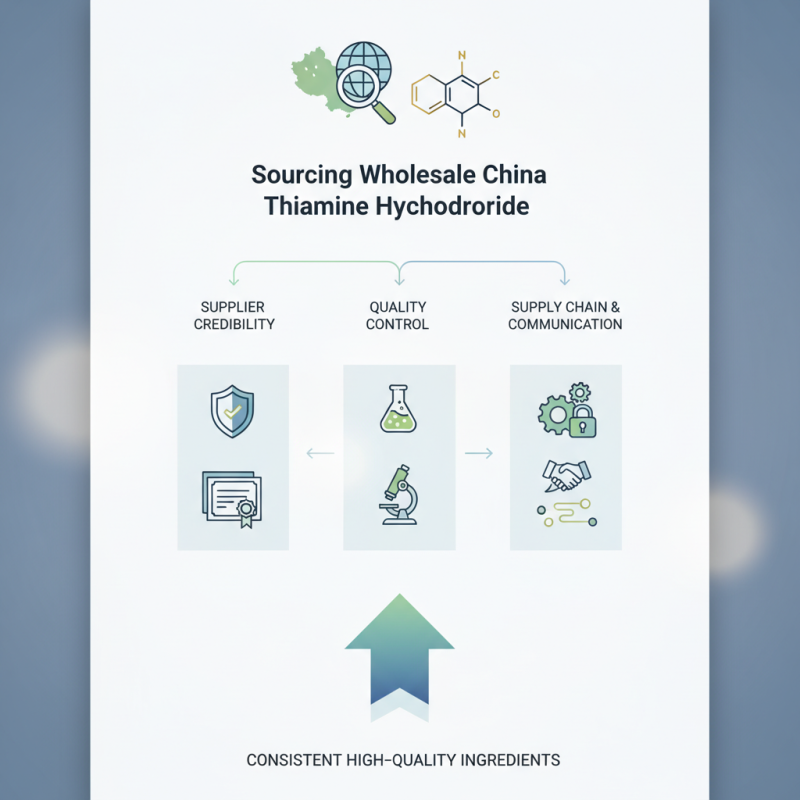
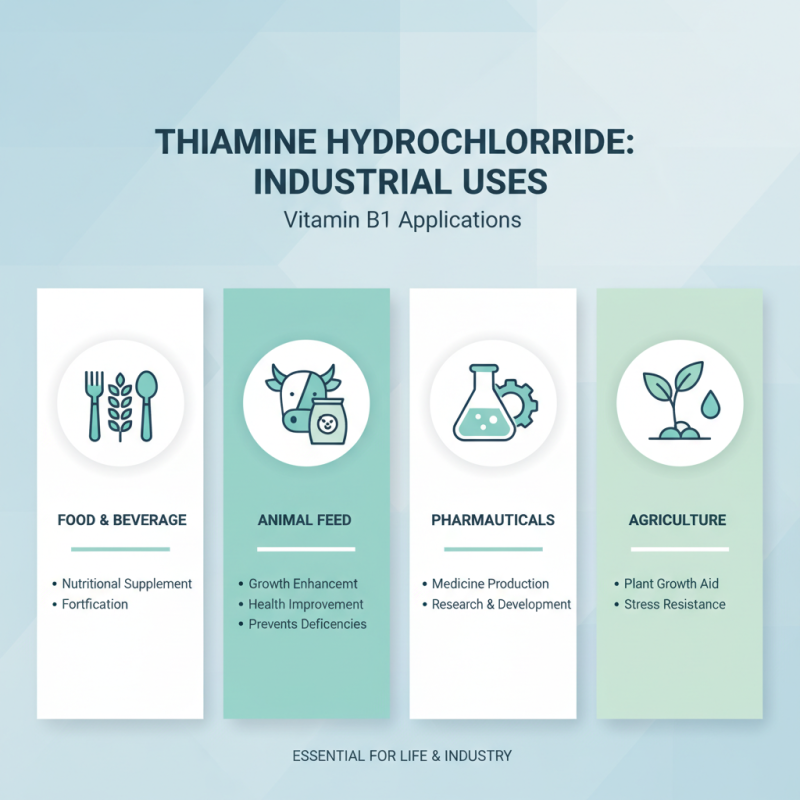
Thiamine hydrochloride, also known as vitamin B1, is crucial in various industrial applications. This compound plays a significant role in the food and beverage industry. It is widely used as a nutritional supplement. In animal feed, it enhances growth and overall health. Without thiamine, animals may suffer from deficiencies.
In pharmaceuticals, thiamine hydrochloride is essential for producing several medicinal products. It supports metabolic functions, making it vital in manufacturing. However, sourcing it can be challenging at times. Many suppliers offer low-quality products, which can lead to inconsistencies. It’s important to verify the source and quality before purchasing.
Proper sourcing requires thorough research and due diligence. Checking for certifications and quality standards is critical. Engaging with multiple suppliers helps in comparing options. Remember, the price is not always the best indicator of quality. Investing time in finding reliable partners can lead to better long-term results.
Sourcing thiamine hydrochloride from wholesale suppliers is crucial for businesses. According to a recent industry report by Grand View Research, the global thiamine market is projected to reach USD 466.3 million by 2027, growing at a CAGR of 6.1%. This highlights the increasing demand for bulk procurement. Wholesale suppliers often offer competitive prices. However, understanding their reliability and quality is key.
When you procure from wholesale suppliers, assess their certifications. Compliance with international standards ensures product safety and efficacy. Not all suppliers may meet these standards. Some may provide subpar quality, which can harm your business reputation. A market analysis from Mordor Intelligence suggests that quality assurance in sourcing can reduce operational risks by 20%. This is significant.
Transparency in the supply chain is another area that often lacks clarity. Detailed vendor evaluations should be a priority. A study by Statista indicates that 35% of businesses face challenges in supply chain transparency when sourcing from overseas. Regular audits and performance reviews can mitigate these issues, yet many suppliers don't prioritize this. It often leaves buyers vulnerable.
| Criteria | Details |
|---|---|
| Supplier Reputation | Check reviews and testimonials from previous customers. |
| Price Comparison | Compare prices across multiple suppliers to ensure competitiveness. |
| Quality Assurance | Request quality certifications and product samples before purchasing. |
| Minimum Order Quantity | Understand the minimum order quantities set by the supplier. |
| Shipping and Delivery | Evaluate shipping options and delivery times before closing a deal. |
| Effective Communication | Ensure prompt and clear communication to avoid misunderstandings. |
| Payment Methods | Inquire about secure payment options to protect your transaction. |
| Cancellation Policies | Be aware of the supplier's cancellation and return policies. |
Digital platforms have revolutionized the way businesses source wholesale products, including Thiamine Hydrochloride. E-commerce websites and wholesale directories offer extensive resources, enabling buyers to connect with suppliers directly. Searching through these platforms can feel overwhelming. There are numerous options, making it crucial to choose wisely.
Using industry-specific forums can enhance your search experience. These forums often feature knowledgeable members sharing insights about suppliers and their reliability. It's vital to check reviews and testimonials before making a decision. Relying solely on one platform may limit your options. Be open to exploring multiple sources to find the best deals.
However, not all suppliers are equal. Some may deliver subpar products or lack proper certifications. Performing due diligence is essential. Request samples and verify the quality before committing to larger orders. Given the competitive nature of wholesale sourcing, being vigilant will save you time and money in the long run.
When sourcing thiamine hydrochloride from suppliers in China, evaluating supplier credibility is crucial. Begin by conducting thorough research. Check online platforms for reviews and ratings. Look for feedback from other buyers. This can provide insights into the reliability of the supplier. However, be cautious. Some reviews may not be authentic. Always cross-reference information when possible.
Next, inspect product quality. Request samples before making bulk purchases. This allows you to analyze the product in detail. Examine the packaging and labeling closely. Consistency in these elements often indicates good manufacturing practices. Don’t hesitate to ask for certificates of analysis. These documents prove that the product meets quality standards. Even so, some suppliers may not provide adequate documentation. This can be a red flag, and it’s vital to address these concerns directly.
Communication is equally important. Discuss your requirements clearly. Listen carefully to their responses. Genuine suppliers should be knowledgeable and responsive. If they seem vague or hesitant, question their expertise. Building a trustworthy relationship takes time. Don’t rush the process. Take necessary steps to ensure you are making a well-informed decision.
When sourcing thiamine hydrochloride from wholesale suppliers in China, negotiating pricing and terms is crucial. Start by researching market prices to understand the average costs. Use this data as leverage. Don't settle for the first quote; push for discounts or better terms. Suppliers often expect some level of negotiation.
Another tip is to establish clear communication. Small misunderstandings can lead to costly mistakes. Ask detailed questions about product specifications and shipping options. Make sure you understand their MOQ (minimum order quantity) and lead times.
It's important to share your specific needs. Suppliers may be willing to adjust terms based on your order size. However, be open to the possibility that not all suppliers will meet your requirements. If a supplier does not budge on price, reflect on whether their quality justifies the cost. This will help in making informed decisions that align with your business goals.
When sourcing wholesale thiamine hydrochloride from China, managing logistics and shipping can be challenging. It is crucial to choose
reliable logistics partners. Research their capabilities and past performance. Check their references and seek feedback from other buyers.
Poor logistics can lead to delays and increased costs.
Consider the shipping terms carefully. Many suppliers offer various options like FOB or CIF. Each has its pros and cons.
It’s important to understand these terms to avoid unexpected charges. Discuss details clearly to prevent misunderstandings.
Plan for potential setbacks in the supply chain. Customs clearance can sometimes be lengthy. Having all the proper documentation
can expedite the process. Keep in touch with your logistics team regularly to track shipments. This transparency will help in managing expectations effectively.
Use technology to facilitate communication and document sharing. It makes the process smoother.
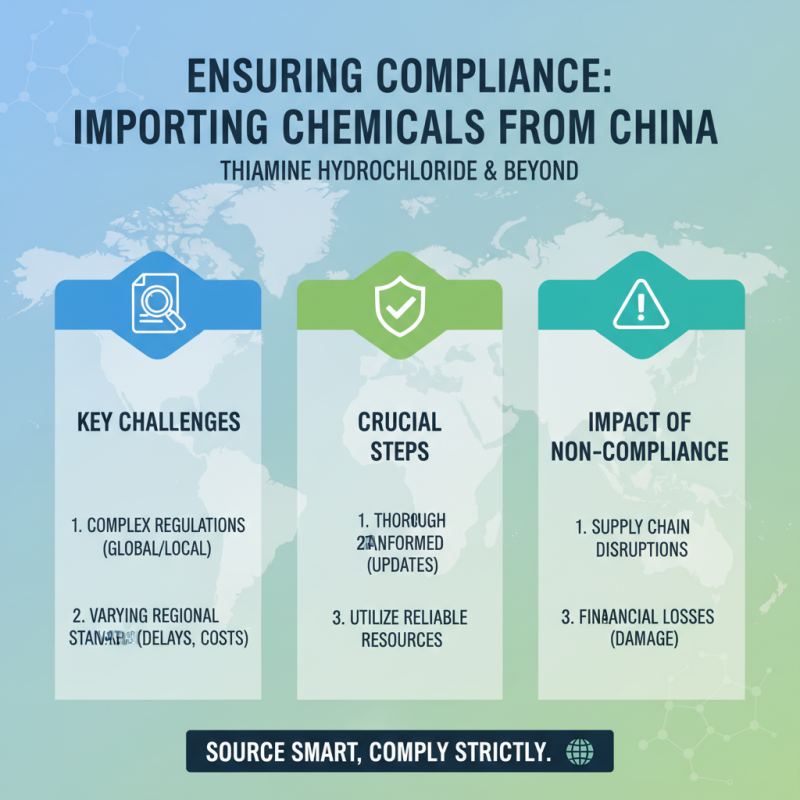
When sourcing thiamine hydrochloride from China, compliance is crucial. Importing chemicals involves numerous regulations. Each region may have different standards. Understanding these can be daunting. Detailed research is necessary to navigate these complexities. Missteps in compliance can lead to costly delays. Importers must stay informed about local regulations. Using the right resources is vital.
Documentation plays a significant role in compliance. Ensure that all paperwork is accurate. This includes import permits, safety data sheets, and quality certifications. Incomplete or incorrect documents can slow down the customs process. It’s easy to overlook minor details, but they matter. Regular audits of these documents can help identify gaps.
Communication with suppliers is just as important. Discuss your compliance requirements clearly. Misunderstandings can happen, leading to issues later. Consider establishing regular check-ins to stay aligned. It helps foster a transparent relationship. Sometimes, you may need to reflect on your processes and refine them. Continuous improvement ensures better outcomes in sourcing.
: Thiamine hydrochloride, or vitamin B1, is essential for various industrial uses. It supports metabolic functions in humans and animals.
In food and beverages, it acts as a nutritional supplement, enhancing health and preventing deficiencies in both humans and animals.
Always verify the source. Inspect certifications and quality standards. Low-quality products can lead to problems later.
E-commerce and wholesale directories connect buyers with suppliers, simplifying the search. However, discernment is crucial due to overwhelming options.
Clear communication on compliance and quality standards prevents misunderstandings. Regular check-ins foster transparency in relationships.
Accurate paperwork, like import permits and safety data sheets, is vital. Errors can delay customs processes and lead to compliance issues.
Request samples from different suppliers. Comparing options helps in recognizing quality over price, which is often misleading.
Understanding regional regulations can be complex. Overlooking details can lead to delays and increased costs in sourcing.
Regular reflection helps identify areas for improvement. Adapting practices can lead to better outcomes and efficiency in sourcing.
Investigate the supplier’s reliability. Consider revisiting sourcing strategies and be open to exploring new partners for better quality assurance.
Thiamine Hydrochloride, a vital form of Vitamin B1, is widely used in various industrial applications, particularly in the food and pharmaceutical sectors. Sourcing this chemical from wholesale suppliers can be advantageous due to cost-effectiveness and the ability to obtain larger quantities. Understanding the digital platforms available for locating reliable suppliers is crucial in today's market, where evaluating supplier credibility and product quality ensures that businesses receive safe and effective products.
Negotiating pricing and terms online can lead to better deals, while managing logistics and shipping is essential for international transactions. Companies must also prioritize compliance with relevant regulations and standards when importing Thiamine Hydrochloride, ensuring that all aspects of the supply chain align with legal requirements. By following these guidelines, businesses can effectively source Thiamine Hydrochloride from wholesale suppliers while minimizing risks and optimizing their supply chain operations.