Get a Quote
Leave Your Message
Describe your specific request*
0%

When it comes to sourcing L Leucine Powder from around the world, it’s not just about comparing prices or glancing at a spec sheet. Buyers really need to dig a little deeper — looking into things like the identity of the product, its purity, whether batches are consistent, and checking the packaging and supplier documents before hitting that ‘order’ button. Little differences can make a big difference. For example, a super fine powder might spread differently than a coarser grade, and moisture exposure during storage or transport can really mess with handling.

Starting off with reliable info is key. Ask for a current certificate of analysis tied to that specific batch, along with details on the testing methods used and relevant quality controls. It’s also good to verify the declared potency, how it looks, the particle size, and safe contaminant limits — all of which matter depending on what you’re using it for and where it’s headed. Don’t forget to check how the supplier manages sampling, traceability, and packaging integrity. And make sure to cover practical stuff too — like minimum order quantities, lead times, shelf life, and whether the samples they send are representative of the usual production. Sure, paperwork is helpful, but you really have to dig a little deeper.

If you’re buying globally, make sure to compare quotes on equal footing. Ask whether the price includes a certain grade, packaging style, shipping terms, and export docs. Be clear about how they handle changes in specs or delivery schedules. Even a slick product page can leave some big questions unanswered — and that’s okay to admit. There’s no one-size-fits-all checklist that guarantees a perfect purchase. Different applications and markets have their own needs. So, having good communication with your supplier, doing some independent checks when needed, and keeping detailed records of incoming goods can save you from avoidable issues down the road. The goal isn’t just to hunt down the lowest price, but to find material that reliably meets your technical, operational, and quality needs — and that’s worth the effort.
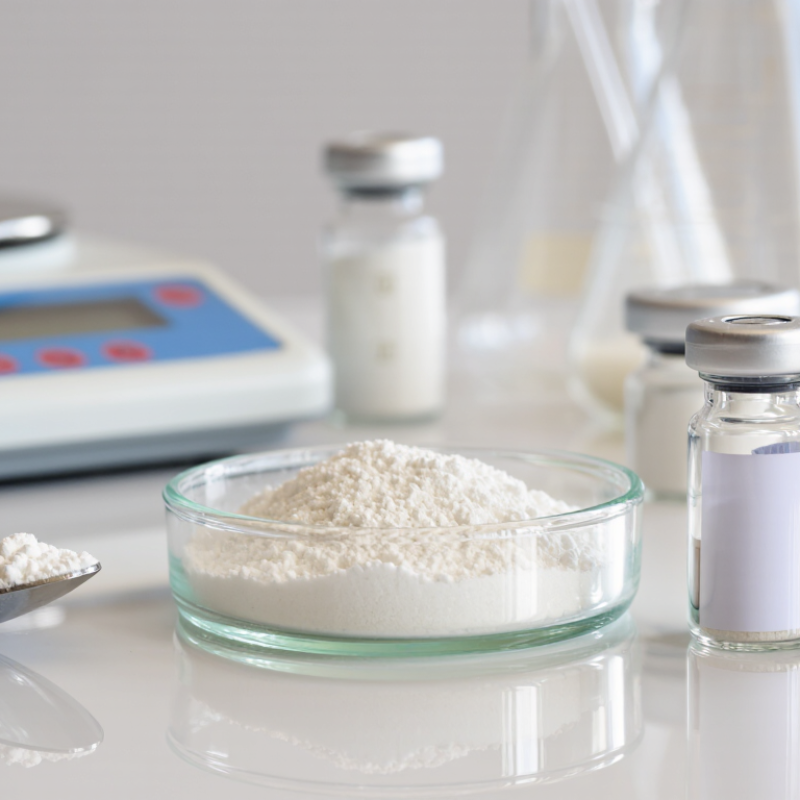
How to Choose L Leucine Powder for Global Buyers?

Define L-Leucine Powder and Its Intended Use

L-leucine powder is a concentrated form of leucine, an essential amino acid that the body cannot make and must obtain from food or supplements. Buyers typically source it for measured use in sports-nutrition blends, fortified foods, or research and product development. Its purpose is specific: to supply leucine, not a complete protein or a substitute for balanced nutrition.

The FAO/WHO/UNU report on human protein requirements sets the adult leucine requirement at 39 mg per kilogram of body weight per day. That figure is a dietary reference, not a recommended serving size for every powder user.

Use matters. A blend for a ready-to-mix drink may need fine, consistent particles and predictable dispersibility; a capsule formulation may prioritize bulk density and flow.

Check the specification for assay, moisture, microbial limits, and test methods, then compare it with a recent certificate of analysis. Small details count. A powder that clumps in a clear shaker can frustrate customers, even when its assay meets specification.

The International Society of Sports Nutrition’s 2017 position stand gives a daily protein range of 1.4–2.0 g/kg for exercising individuals; this is total protein guidance, not a leucine dose. Buyers should keep that distinction clear.

Supplier documents are useful, but they are not the whole story, and I would still verify batch consistency before scaling an order.

Identify Buyer Requirements and Target Markets

Global buyers should define the end use before comparing L-leucine powder. A sports-nutrition formulator may prioritize taste, dispersibility, and consistent particle size. A capsule manufacturer may care more about bulk density and flow. Ask suppliers for a current specification sheet, batch-specific certificate of analysis, and validated testing for identity, purity, and contaminants. Small details matter. A powder that clumps in a humid warehouse can disrupt production.

Target markets shape the brief. Grand View Research estimated the global sports nutrition market at US$45.24 billion in 2023 and projected growth through 2030. This broad category is not a forecast for L-leucine itself, but it signals expanding demand for performance-focused products. Buyers serving gyms and online retailers may seek neutral-tasting powder in convenient packs. Ingredient distributors may instead need bulk quantities, stable packaging, and reliable lead times. Different buyers, different risks.

Check market preferences directly. Compare sample performance in the intended recipe, not only in water. Request evidence for stated purity, review packaging moisture protection, and confirm that documentation matches the destination market’s requirements. ISO/IEC 17025-accredited testing can strengthen confidence in laboratory results. One awkward point: the cheapest quote may exclude repeat testing or freight protection. It is worth asking. Cite the report date, methodology, and market definition when using industry figures; broad forecasts can be misleading.

Compare Purity, Composition, and Product Specifications

How to Choose L Leucine Powder for Global Buyers?

Compare Purity, Composition, and Product Specifications

Choosing L Leucine powder starts with checking what “purity” means on the supplier’s specification sheet. Look for the assay method, stated result, test date, and batch number—not just a large percentage on a sales page. A certificate of analysis should identify the tested lot and report relevant measures, such as moisture and residual solvents, where applicable. Ask whether testing is performed by an independent laboratory. Details matter.

Composition affects how the powder performs in a finished product. Review the ingredient declaration for carriers, anti-caking agents, or other additions, and confirm whether the product is single-ingredient or a blend. Check particle size and solubility data if your process depends on quick mixing; a fine powder can still clump in a cool liquid. Small differences show up.

Specifications should also cover packaging, storage conditions, shelf life, and unit tolerances. For example, compare a sealed inner liner with a plain sack if the powder may face humid storage during transit. Verify that labels and documents match the destination market’s requirements with qualified local professionals. That step can be overlooked. A neat specification sheet is useful, but it cannot replace reviewing a representative sample and asking clear questions about inconsistencies.

How to Choose L Leucine Powder for Global Buyers? – Compare Purity, Composition, and Product Specifications

Specification Food-Grade Powder Supplement-Grade Powder Pharmaceutical-Grade Material What Buyers Should Verify
Identity L-leucine; confirm the declared material and applicable food regulations. L-leucine intended for use in dietary or sports nutrition products. L-leucine supplied to a defined pharmaceutical or compendial specification, where applicable. Check the product name, specification, test method, and intended market use.
Chemical identity CAS 61-90-5; molecular formula C6H13NO2. CAS 61-90-5; molecular formula C6H13NO2. CAS 61-90-5; molecular formula C6H13NO2. Confirm identity testing is documented; formula and CAS number alone do not establish grade or quality.
Molecular weight 131.17 g/mol 131.17 g/mol 131.17 g/mol Use as a reference identity value, not as a substitute for an assay result.
Assay / purity Set a purchase limit appropriate to the application; suppliers commonly state an assay around 98.5% or higher. Many commercial specifications target at least 98.5%; confirm the basis and analytical method. Must meet the exact monograph or approved specification named in the purchase agreement. Compare assay limits, dry or as-is basis, test method, and actual lot result on the certificate of analysis.
Stereochemical identity Specify L-isomer and request an appropriate identity or optical-purity test. Specify L-isomer; confirm the supplier's method and acceptance criteria. Confirm compliance with the applicable compendial or approved method. Do not assume a general amino-acid assay alone verifies the required stereochemical identity.
Other amino acids Request limits for related amino acids or impurities relevant to the recipe. Review the related-substances profile and any customer-specific limits. Follow the named monograph or approved product specification. Ask which compounds are tested, the reporting limits, and whether results are lot-specific.
Moisture / loss on drying Set a maximum suitable for storage, processing, and product stability. Compare the stated limit and test method; limits vary by supplier specification. Use the limit specified by the applicable monograph or approved specification. Request the numerical limit and actual result; do not compare values from different test methods without review.
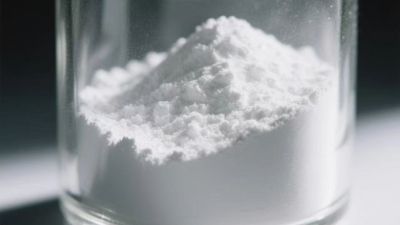
Physical form White to off-white crystalline powder is commonly specified. Usually supplied as a crystalline powder; particle size and flow may vary. Must match the approved physical and handling requirements for the intended process. Request particle-size distribution, bulk density, or flow data when these affect blending, filling, or dissolution.
Solubility and processing Leucine has limited solubility in water; assess suitability for the intended formulation. Evaluate dispersion, blending behavior, and processing performance in the final product. Assess against validated process and formulation requirements. Request application-specific data or conduct a sample trial; avoid relying on a generic “instantized” claim without details.
Microbiological quality Agree limits appropriate to the food category and destination-market rules. Set limits for relevant organisms based on product type and regulatory requirements. Apply the microbiological controls required by the relevant pharmaceutical quality system. Review test panel, methods, limits, sampling plan, and lot-specific results.
Contaminants Assess heavy metals and other contaminants against applicable legal limits and buyer requirements. Request contaminant testing relevant to the ingredient and destination market. Use the limits and controls defined by the applicable specification and risk assessment. Check results, methods, and regulatory references; requirements differ across markets and product categories.
Manufacturing and origin Ask whether the material is produced by fermentation or another process and request origin documentation. Confirm manufacturing process, country of origin, and any allergen or animal-origin statements needed. Review manufacturing site, quality-system documentation, and change-control commitments. Request traceability documents and verify that origin claims are supported and relevant to your market.
Documentation Certificate of analysis, specification, safety data sheet, and applicable food-compliance documents. Lot-specific certificate of analysis, specification, safety data sheet, and requested quality statements. Compendial statement where applicable, lot documentation, and quality-system records agreed with the supplier. Ensure documents identify the product, lot, test methods, results, release status, and document revision.
Packaging and shelf life Choose sealed, food-suitable packaging and confirm storage conditions and expiry or retest date. Confirm pack size, liner material, seal integrity, storage instructions, and shelf-life evidence. Confirm packaging controls and dating requirements against the approved specification. Check packaging compatibility, moisture protection, lot coding, and transport conditions.

Buyer note: The examples above are general procurement guidance, not a universal product specification. Limits and regulatory requirements vary by supplier, grade, intended use, and destination market. Agree acceptance criteria in writing and verify each shipment using lot-specific documentation.

Verify Quality Systems and Regulatory Documentation

For global buyers, L Leucine Bulk should come with evidence that can be checked, not just a polished specification sheet. Request the manufacturer’s current quality-management certificate and verify its scope, issuing body, site address, and expiry date. ISO’s 2022 Survey reported 1,265,216 valid ISO 9001 certificates worldwide. That figure shows how widely the system is used; it does not prove that a particular batch meets its stated purity. Keep that distinction clear.

Ask for a batch-specific certificate of analysis with test methods, results, units, and release limits. Check identity, assay, moisture, and relevant contaminant tests against your purchase specification. The numbers should match the lot label. Request traceability records linking the lot to production and testing, plus written change-control and complaint procedures. For cross-border shipments, confirm that the supplier can provide applicable product, safety, and origin documents in the destination market’s required format. Missing pages matter.

A document can look convincing and still leave gaps. Have a qualified reviewer confirm that the laboratory’s methods are suitable and that any claimed accreditation covers the tests performed. ISO/IEC 17025 accreditation is useful evidence of laboratory competence, but it is not a guarantee that every result is correct. I have seen buyers focus on the headline assay and overlook a mismatched lot number. That small check is easy to miss, and worth repeating.

Assess Packaging, Shelf Life, and Global Shipping

How to Choose L Leucine Powder for Global Buyers?

Assess Packaging, Shelf Life, and Global Shipping

For global buyers, packaging should protect L leucine powder from moisture, oxygen, and rough handling. Ask for food-grade inner liners, sealed bags, and sturdy outer cartons. A small tear near a heat seal can matter. Request photos of the packed goods, not only a product sample. Also check whether the packaging size suits your storage space and production schedule.

Shelf life depends on product specifications and storage conditions. Review the certificate of analysis, manufacturing date, expiry date, and recommended temperature range. Keep containers in a cool, dry place, away from direct sunlight. If the powder arrives with clumps or a changed appearance, document it before use and contact the supplier. Leucine Granules may behave differently during handling, so confirm the exact product form before comparing shelf-life data. Paperwork can be imperfect; clarify any missing details.

Shipping adds uncertainty. Ask how the shipment will be protected from humidity, delays, and temperature swings, and confirm the estimated transit time. For long routes, request moisture-barrier packaging and clear batch identification on every carton. Check that shipping documents match the product, quantity, and lot numbers. A low price is less useful if packaging fails or the shipment arrives too late. Verify the details in writing.

Evaluate Suppliers, Pricing, and Product Samples

When comparing Leucine Amino Acid suppliers, request a current certificate of analysis for the exact lot, not a generic product sheet. Check assay, moisture, identification, microbial results, and test methods. Ask whether testing is performed by an independent laboratory accredited to ISO/IEC 17025. Small details matter: a missing method or unclear reporting limit can make two certificates hard to compare. The WHO/FAO/UNU report Protein and Amino Acid Requirements in Human Nutrition gives an adult leucine requirement of 39 mg per kilogram of body weight per day. This is nutritional context, not a powder quality specification.

Compare total landed cost, including freight, customs handling, packaging, and any testing fees. Ask suppliers to quote the same grade, packaging size, delivery terms, and annual volume. Then order samples from shortlisted suppliers and test them using the same lab and method. Check whether the powder is free-flowing, dissolves as expected for your process, and arrives in sealed, clearly labeled packaging. Keep notes on sample lot numbers; otherwise, a good result may be difficult to trace later. A sample is useful, but it cannot guarantee that later production lots will match. Request batch-to-batch data and confirm how the supplier handles deviations before placing a larger order.

High-Purity Vegan Pullulan Powder from China: Uses, Quality, and Supplier Guide

High-purity vegan pullulan powder from China is produced through the natural fermentation of plant-derived raw materials, making it suitable for clean-label food, beverage, dietary supplement, and pharmaceutical formulations. As a water-soluble polysaccharide, pullulan offers strong film-forming, binding, and thickening performance without animal-derived ingredients. It can be used in edible films, capsules, coating systems, powdered drinks, and texture-modifying applications where a neutral taste and smooth mouthfeel are required.

Quality should be assessed against recognized technical and regulatory references rather than appearance alone. The FAO/WHO Joint Expert Committee on Food Additives (JECFA) identifies pullulan as food additive INS 1204 and specifies key limits, including loss on drying of no more than 6%, total nitrogen of no more than 0.5%, and ash of no more than 1%. In Europe, pullulan is listed as food additive E1204. Suppliers should provide a current certificate of analysis covering purity, moisture, ash, viscosity, microbiological standards, heavy metals, allergens, and residual solvents, supported by batch traceability and appropriate food-safety systems.

For global buyers, a reliable Chinese manufacturer should offer controlled fermentation, efficient purification, consistent molecular-weight performance, and flexible packaging options. Samples should be evaluated for solubility, clarity, film strength, viscosity, and compatibility with the intended formula. Documentation such as HACCP or ISO-based quality certification, technical data sheets, and export-compliance records can further support supplier qualification and stable international procurement.

FAQS

What quality documents should buyers request for bulk amino acid powder?

Request a current quality-management certificate, batch-specific analysis certificate, traceability records, and written complaint procedures. Missing pages matter.

How can buyers verify a quality-management certificate?

Check its scope, issuing body, site address, and expiry date. A certificate shows system control, not guaranteed batch purity.

What details should appear on a batch analysis certificate?

It should list test methods, results, units, and release limits. Confirm identity, assay, moisture, contaminants, and lot number.

Why is the lot number important?

The certificate number must match the package label and production records. I have seen buyers miss this simple detail.

How should suppliers be compared fairly?

Request identical grades, package sizes, delivery terms, and annual volumes. Compare total landed costs, including freight and testing fees.

What should buyers check when ordering samples?

Use sealed, clearly labeled samples. Record each lot number, powder appearance, flow, dissolution, and packaging condition.

Can a sample guarantee future production quality?

No. A sample reflects one lot only. Request batch-to-batch data and deviation procedures before ordering larger volumes.

How should laboratory testing be evaluated?

Prefer a competent, independently accredited laboratory. Confirm its methods cover the actual tests performed. Accreditation helps, but it is not perfect.

What documents may be needed for cross-border shipments?

Confirm product, safety, and origin documents in the destination market’s required format. Requirements can differ, and assumptions create delays.

Conclusion

Choosing L Leucine Powder for global purchasing starts with understanding its intended application, such as use in dietary supplements, functional foods, or other suitable formulations. Buyers should define their target markets, required formats, and technical needs before comparing products. Key considerations include purity, ingredient composition, physical characteristics, and clear product specifications that match the intended use.

A reliable purchasing process also involves reviewing quality systems and requesting relevant regulatory and product documentation. Assess packaging suitability, shelf life, storage requirements, and the supplier’s ability to support international shipping. Finally, compare suppliers on communication, consistency, lead times, and pricing, and evaluate samples before placing a larger order. A careful, specification-led approach helps buyers select L Leucine Powder that meets their quality, market, and supply requirements.


Liam

Liam

Liam is a dedicated marketing professional with a profound expertise in food ingredients and nutritional raw materials. With a passion for quality and reliability, he plays a pivotal role in connecting global buyers with top-tier products sourced from China. Liam's commitment to excellence is......
Previous What Is Thiamine Hydrochloride Used For?