Picking the right manufacturer in China isn't just about who offers the lowest price. If you're buying globally, you need quality you can trust, documents that make sense, and real-world export experience. Take Vitamin C Powder—it looks straightforward enough, right? But purity, particle size, moisture level, and stability can differ a lot from one supplier to the next. A reliable manufacturer should be able to hand over a recent Certificate of Analysis, a spec sheet, batch records, and details about testing. And if an independent lab verifies it? Even better.
Look for facilities with proper GMP systems, ISO certification, traceable raw materials, and controlled production areas. Ask whether they make food-grade, pharmaceutical-grade, or customized Vitamin C Powder, since those categories can come with different controls and paperwork. Packaging matters too. Moisture-resistant bags, sealed drums, and clear lot labels help keep the product safe on long journeys. Yep, small details add up.
A solid supplier will spell out minimum order quantities, lead times, sample policies, and shipping arrangements—no vague promises. Factory audits, video inspections, and reference checks often tell you more than a shiny website. That said, no manufacturer is perfect. Even an experienced supplier might run into seasonal delays, testing variations, or communication gaps. Buyers should write these risks down before signing anything. This guide looks at leading China Vitamin C Powder manufacturers by quality systems, production capability, transparency, and buyer support. It also pushes you to compare carefully, because the cheapest quote can end up costing more later. Good sourcing rarely happens overnight. It comes down to evidence, steady communication, and performance you can see again and again.
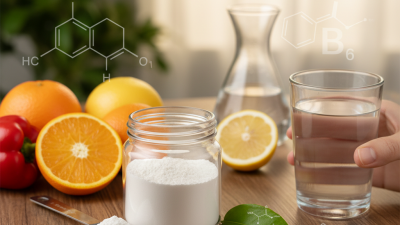
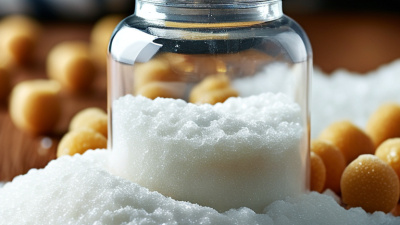
Vitamin C powder is a concentrated form of ascorbic acid, usually supplied as a fine, pale powder. It dissolves quickly in water and is used in supplements, beverages, and food formulations. Its simple appearance can be misleading.
Reliable manufacturers control each production stage, from raw material selection to final packaging. They should verify identity, purity, moisture, heavy metals, and microbiological safety through qualified laboratories. A clear certificate of analysis supports confidence, but it should match the actual batch. A polished document alone proves little.
Experienced suppliers also manage oxidation carefully. Vitamin C can lose strength when exposed to heat, light, air, or humidity. Practical controls include low-moisture processing, sealed packaging, lot traceability, and suitable storage guidance. Ask how samples are retained and how results are reviewed.
Small details matter.
Some facilities produce Vitamin B6 Powder alongside vitamin C products. This requires strong labeling and segregation controls, because similar-looking powders can create costly mistakes. Good manufacturing practice reduces that risk, but no system is perfect.
Even careful teams may overlook a damaged liner or an unclear label. Buyers should inspect evidence, not promises. An on-site audit or transparent technical discussion can reveal more than a sales presentation. Manufacturer quality matters because the powder’s safety, potency, and consistency depend on decisions made long before it reaches the final product.
Evaluating China’s vitamin C powder capability requires more than comparing quoted prices. Grand View Research valued the global vitamin C market at approximately US$1.1 billion in 2023, with demand driven by supplements, food fortification, and pharmaceuticals. This scale makes process consistency essential. Ask manufacturers for recent assay results, typically showing vitamin C content near 99%, plus moisture, heavy-metal, microbiological, and residual-solvent data.
Production evidence matters. Review batch records, equipment layouts, and cleaning procedures rather than relying on certificates alone. ISO 9001 supports quality management, while HACCP and food or pharmaceutical GMP controls address different risks.
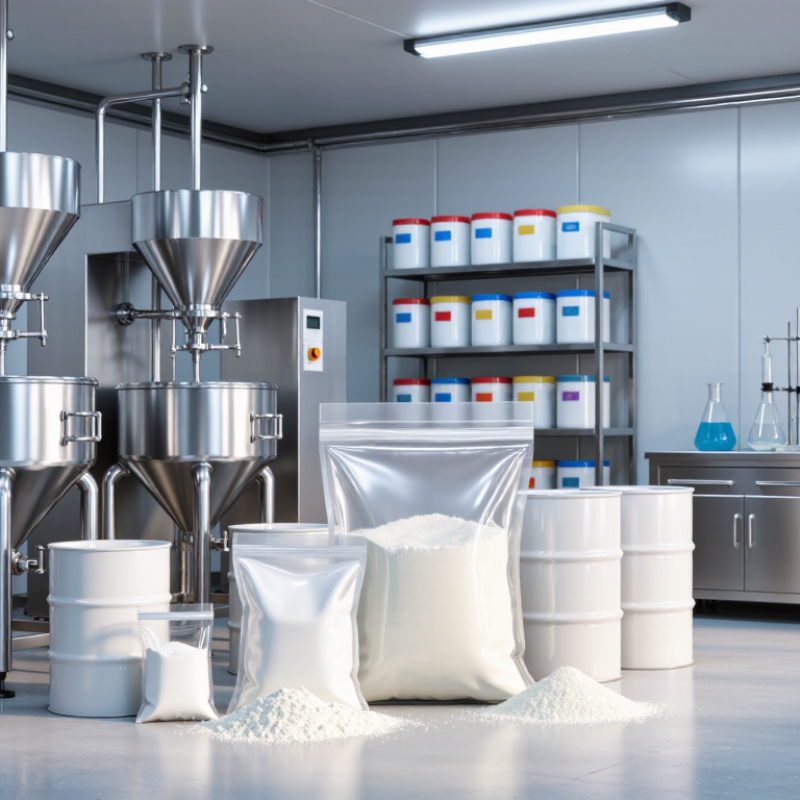
A reliable factory should explain crystallization, drying temperature, particle-size control, and packaging under low-humidity conditions. Powder should arrive in sealed, food-grade bags, without visible clumps or unusual odor.
UN Comtrade trade data identifies China as a leading exporter under HS code 293627, but export volume does not prove every supplier performs equally. Request third-party testing against USP, FCC, or the agreed specification.
Audit allergen segregation and line clearance, especially when the site also handles Vitamin B1 Powder. That detail is easy to overlook.
I would also compare three consecutive batches, not one attractive sample. Supplier claims can sound precise, yet incomplete traceability remains a practical weakness. A pre-shipment inspection and retained sample reduce uncertainty before full-scale purchasing.
For global buyers, certification should be checked before price or packaging. Vitamin C powder suppliers should provide a valid GMP certificate, ISO 9001 quality system, and HACCP or FSSC 22000 food-safety controls. Confirm the certificate scope, factory address, issuing body, and expiration date. A certificate copied into a brochure proves very little.
Request a batch-specific Certificate of Analysis, not a generic template. It should show identity, assay, moisture, pH, microbiological limits, heavy metals, and residual solvents where relevant. Independent laboratory testing can verify critical results. For pharmaceutical or food applications, compare methods with recognized standards such as USP, Ph. Eur., or FCC. Country-specific import rules still apply. Check allergen statements, GMO status, origin documents, and labeling requirements before shipment.
Physical details often reveal process discipline. Ask how samples are sealed, stored, and transported. Review batch numbers, retention samples, and recall procedures. The same checks matter when sourcing Vitamin B2 Powder, although its testing profile may differ. Some buyers focus too heavily on ISO certificates and overlook supplier traceability. That is a mistake I have seen repeatedly. Certificates can expire, methods can change, and documents may contain inconsistent batch data. Arrange an audit or live video inspection when the order is significant, and record every unresolved question in the supplier qualification file.
Chinese manufacturers commonly supply several Vitamin C powder formats for global buyers. The standard option is pure ascorbic acid, usually offered as fine crystalline powder. It dissolves quickly in water and suits beverages, supplements, and premix applications. Mineral ascorbates, including sodium and calcium ascorbate, provide lower acidity. Some suppliers produce coated or buffered grades for improved handling and formulation stability. Particle size may range from fine mesh to agglomerated instant powder.
Manufacturers may also provide food, pharmaceutical, cosmetic, and feed-use grades, depending on facility controls. Each grade should have clear specifications, including assay, moisture, heavy metals, microbiological limits, and packaging. For blended products, buyers may request Vitamin B6 compatibility testing, especially in multinutrient powders. A practical sample trial can reveal dusting, color change, taste, and dissolution issues. Documents matter. Ask for batch records, certificates of analysis, allergen statements, and storage recommendations. Still, paperwork alone does not prove consistent performance.
Tips: Compare three samples using the same water temperature and mixing time. Check whether the powder cakes after opening a sealed bag. Request production and testing details before discussing volume pricing. A 25-kilogram bag may look efficient, but smaller trial packs reduce avoidable risk. I would not choose only by assay or price. Transport humidity, inner-liner quality, and warehouse temperature can change the buying decision.
China Best Vitamin C Powder Manufacturers for Global Buyers?
Pricing, minimum orders, and production capacity vary sharply among Chinese vitamin C powder manufacturers. Industry reports from Grand View Research and IMARC place the global vitamin C market in the billion-dollar range, with food, beverage, and supplement demand driving steady growth. Yet market size does not equal a lower quotation. Ascorbic acid pricing changes with raw-material costs, energy, packaging, exchange rates, and shipment volume. A realistic buyer should compare delivered cost, not only the factory price. Small trial orders may cost more per kilogram, while commercial quantities can reduce packaging and processing charges.
Minimum orders often range from several hundred kilograms to multiple metric tons, depending on purity, packaging, and customization. Production capacity claims need careful checking. Ask for recent batch records, annual output figures, lead times, and warehouse photographs. Compare these details with trade statistics under HS code 293627, published through UN Comtrade. Those figures show export activity, but they do not prove one facility’s capacity. That distinction is easy to miss.
Tips: Request three quotations using identical specifications. Confirm vitamin C assay, moisture, heavy metals, microbiological limits, and test methods. Independent laboratory testing is worth the extra cost. Also ask whether the quoted capacity is dedicated or shared. I have seen impressive numbers that became less impressive after clarification. Leave room for that uncertainty.
| Supplier Category | Typical Product Scope | Common MOQ | Typical FOB Price Range* | Typical Lead Time | Indicative Annual Production Capacity | Common Certifications | Packaging Options | Best Fit for Global Buyers |
|---|---|---|---|---|---|---|---|---|
| Large-scale vitamin C producer | Food-grade or pharmaceutical-grade ascorbic acid powder; standard and high-volume specifications | 500 kg–1 metric ton | US$2.00–4.50/kg | 2–5 weeks, subject to production schedule | Usually above 10,000 metric tons per year | GMP, ISO 9001, HACCP, and commonly FSSC 22000; specific approvals vary by facility | 25 kg kraft paper bags with inner polyethylene liners; palletized export cartons or bags | Importers, contract manufacturers, and buyers requiring stable bulk supply |
| Specialty supplement-ingredient manufacturer | Vitamin C powder for dietary supplements, blends, premixes, and functional nutrition products | 100–500 kg | US$2.80–6.50/kg | 3–6 weeks | Approximately 1,000–10,000 metric tons per year | GMP, HACCP, ISO 22000 or FSSC 22000; third-party testing is commonly available | 1 kg, 5 kg, 20 kg, or 25 kg bags; customized labeling may be available | Brand owners and supplement manufacturers needing documentation and smaller commercial batches |
| Blending and premix manufacturer | Vitamin C combined with minerals, botanical ingredients, sweeteners, or other micronutrients | 100–300 kg per formulation | US$4.00–12.00/kg | 4–8 weeks, including formulation and testing | Approximately 500–5,000 metric tons per year | GMP, HACCP, ISO 22000; allergen-control and traceability programs are commonly offered | Foil-lined bags, fiber drums, sachets, or finished retail packaging | Buyers seeking ready-to-use blends rather than pure ascorbic acid |
| Small-batch customized manufacturer | Private-label powder, customized particle size, flavoring, dosage formats, and trial formulations | 25–100 kg for pilot orders; 100–500 kg for repeat production | US$6.00–18.00/kg | 5–10 weeks, depending on customization | Generally below 1,000 metric tons per year | GMP or HACCP may be available; certification scope should be verified for each facility | Small bags, jars, stand-up pouches, sachets, or customer-supplied packaging | Start-ups, product-development teams, and buyers testing new markets |
| Pharmaceutical-grade contract manufacturer | High-purity ascorbic acid or vitamin C powder produced under controlled pharmaceutical quality systems | 500 kg–1 metric ton, with larger quantities preferred | US$4.00–9.00/kg | 4–8 weeks after quality and technical approval | Capacity varies widely; often 1,000–10,000 metric tons per year | GMP, ISO 9001, pharmacopeial testing, and batch-specific certificates of analysis | 25 kg drums or bags with strict lot identification and tamper-evident sealing | Pharmaceutical, medical-nutrition, and highly regulated applications |
| Trading and distribution company | Standard vitamin C powder sourced from qualified manufacturers; multiple pack sizes and grades may be available | 25–100 kg, depending on stock availability | US$3.50–8.00/kg | 1–4 weeks for in-stock products; longer for replenishment | Dependent on contracted manufacturing partners | Documents depend on the original producer; request original certificates and traceability records | Existing manufacturer packaging or repacked wholesale formats | Small and medium buyers prioritizing low MOQ and shorter delivery times |
Choosing China’s best vitamin C powder manufacturer requires more than comparing prices. Safe sourcing starts with a documented quality system. Request the manufacturer’s GMP certificate, ISO 22000 status, allergen controls, and batch-level certificate of analysis. Confirm testing for assay, moisture, heavy metals, microbiological limits, and residual solvents.
WHO reports that about one in ten medical products in low- and middle-income countries is substandard or falsified. Vitamin ingredients are not identical to medicines, but the warning remains relevant.
Inspect the production site, or use an independent auditor. Check whether raw materials have supplier approval records and full lot traceability. A COA is useful. It is not proof by itself. Send sealed samples to an accredited laboratory before signing a large contract. Review the test method, detection limits, sampling date, and laboratory accreditation. I would also compare two separate batches, because one excellent sample can mislead buyers.
International delivery needs equal attention. Confirm the correct HS code, import permits, labeling rules, customs documents, and Incoterms with a local broker. Use moisture-resistant inner bags, sealed cartons, and pallet protection.
Vitamin C powder can degrade when exposed to humidity, heat, or air.
Record container numbers and photographs at loading. The World Bank’s 2023 Logistics Performance Index assesses customs, infrastructure, tracking, and timeliness, showing why freight choice affects supply reliability.
Build a realistic inspection hold into the schedule. Fast shipping sounds attractive, but hurried clearance often creates avoidable errors.
Pure ascorbic acid is the standard form. It usually appears as fine crystalline powder and dissolves quickly in water. Mineral ascorbates offer lower acidity. Coated, buffered, and instant agglomerated grades may also be available.
Food, pharmaceutical, cosmetic, and feed-use grades have different facility controls. Request specifications for assay, moisture, heavy metals, and microbiological limits. The intended application should guide the choice. Price alone is not enough.
Compare three samples with identical water temperature and mixing time. Check dissolution, dusting, color change, taste, and caking. Open a sealed bag and inspect the powder later. Small trials reduce avoidable risk.
Request batch records, certificates of analysis, allergen statements, storage instructions, and production details. Confirm the testing method and sampling date. Documents still matter. They do not prove consistent performance alone.
Send sealed samples to an accredited laboratory. Test assay, moisture, heavy metals, microbiological limits, and residual solvents. Compare at least two production batches. One excellent sample can mislead buyers.
Check raw-material approval records, lot traceability, testing procedures, and facility controls. Review how powders are packed and stored. A clean facility helps, but inspection has limits. Keep questioning the evidence.
Use moisture-resistant inner bags, sealed cartons, and pallet protection. Humidity, heat, and air can reduce powder stability. Record container numbers and loading photographs. Packaging is easy to underestimate.
Confirm the correct customs classification, import permits, labeling rules, documents, and delivery terms. Consult a qualified local broker. Include inspection time in the schedule. Fast shipping can still create avoidable errors.
Choosing the right Vitamin C Powder manufacturer in China requires more than comparing prices. Global buyers should assess the supplier’s raw material sourcing, production technology, quality control procedures, and experience with international orders. Key factors include product purity, stability, solubility, packaging options, and the ability to provide consistent batch quality. Buyers should also verify certifications, laboratory testing, traceability systems, and compliance with the regulations of the destination market.
A careful comparison of minimum order quantities, production capacity, lead times, payment terms, and shipping arrangements can help create a reliable purchasing plan. Before placing a large order, buyers should request samples, review technical documents, confirm testing results, and establish clear specifications in the sales agreement. Safe sourcing also depends on secure packaging, accurate labeling, suitable storage conditions, and professional export documentation. With thorough evaluation and transparent communication, businesses can build dependable supply relationships and receive high-quality Vitamin C Powder for food, beverage, supplement, or other permitted applications.