Choosing the right Monosodium Glutamate (MSG) supplier in China isn't just about comparing prices or how shiny the crystals look—there's a lot more to it. The quality of MSG really comes down to factors like how well the fermentation process is controlled, the consistency of raw materials, how pure it is, and how easy it is to trace back through the production chain. According to Mordor Intelligence’s 2024 Market report, Asia-Pacific is still the big player in MSG, mostly because of the boom in packaged foods, restaurants, and ready-to-eat meals. Meanwhile, Grand View Research links market growth to the expansion of processed foods and all the changing lifestyles out there. So, yeah, those reports give useful clues about the bigger picture, but keep in mind—they don’t rank every Chinese supplier out there.
When it comes to choosing a product, it really depends on what you’re using it for. Big, bright crystals might look nice, but they tend to dissolve slowly when you’re adding them to dry seasonings. Smaller crystals, on the other hand, tend to mix better in soups, sauces, or instant foods. It’s a good idea to check a few things: how pure the glutamate is, its moisture level, chloride content, particle size, how well the packaging has held up, and whether batch testing has been done. In China, the National Health Commission keeps tabs on what additives are allowed, according to the GB 2760 standard. If you're buying internationally, you should also look into certifications like HACCP, ISO 22000, and make sure all the export paperwork is in order. The FAO/WHO has also looked into glutamate safety and given it a ‘not specified’ level for safe daily intake, which is reassuring.
Here’s the thing—picking the cheapest option isn’t always the smartest move. The real key is finding a grade that works well in your specific recipe and performs consistently. Some manufacturers might prioritize easy and stable dissolution, while others might focus on long shelf life and comprehensive documentation. Of course, it’s not always an apples-to-apples comparison since some suppliers are more transparent than others, and that’s something to watch out for. The best approach? Do a mix of checks—look at lab reports, visit production sites if you can, read customer reviews, and test a sample before placing a big order. That way, you’re making a smarter, more informed choice rather than just going for the lowest price.
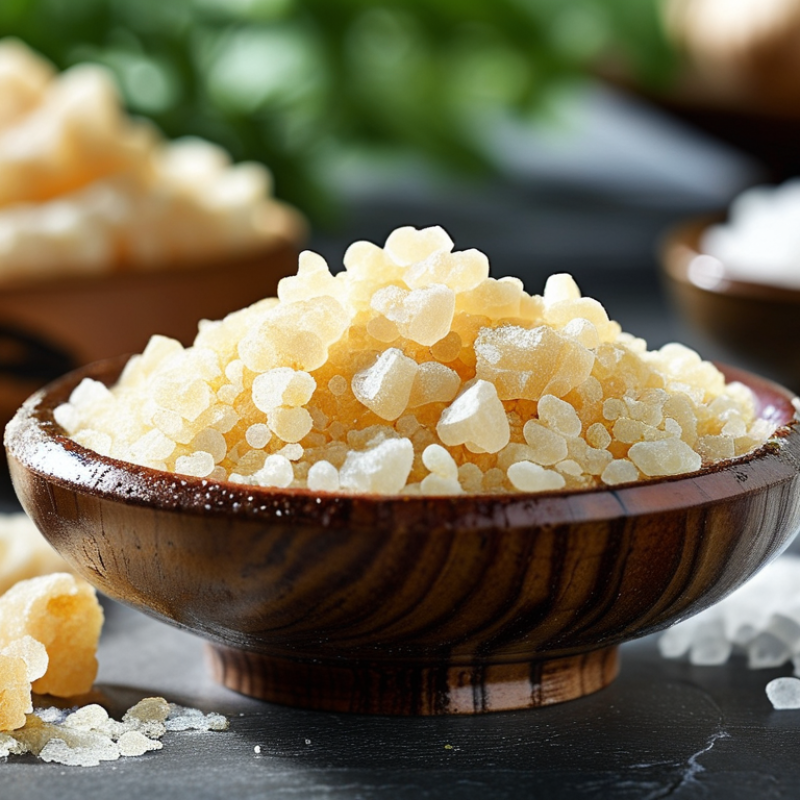
Which Is the Best Type of MonoSodium Glutamate in China?
Sodium Glutamate, commonly called monosodium glutamate, is the sodium salt of glutamic acid. In China, food-grade production usually begins with starch-rich crops such as corn, cassava, or wheat. Manufacturers convert these materials into glucose, then use controlled fermentation. Microorganisms produce glutamic acid in large stainless-steel tanks. The liquid is filtered and refined before sodium hydroxide adjusts its acidity. Crystallization creates the familiar white granules. Drying and screening determine the final particle size.
Tips: Check purity, moisture, particle size, and the certificate of analysis. Ask about the raw material source and fermentation controls. Traceability matters when selecting a supplier. A clean, dry sample should dissolve easily and leave no unusual smell. Testing should confirm food-grade requirements and contaminant limits.
The best type depends on its use. Fine crystals dissolve quickly in soups and sauces. Larger granules may suit seasoning blends or measured applications. However, appearance alone can mislead buyers. Bright crystals do not automatically prove better quality. I would compare laboratory results, production records, and storage conditions before deciding. Packaging also deserves attention because humidity can cause clumping. China has advanced fermentation experience, but every factory is different. Even a reliable process may show variation between batches, so independent testing remains a sensible safeguard.
Which Is the Best Type of Monosodium Glutamate in China?
China’s market offers several main types of monosodium glutamate. Standard crystalline MSG is the most common choice for restaurants and household cooking. Its white crystals dissolve quickly in soups, sauces, and stir-fried dishes. Fine powder works well in marinades and instant seasonings. Coarser crystals dissolve more slowly, which can help cooks control application by hand.
Purity is another important difference. Food-grade MSG may be sold in different purity levels, such as 99% or lower-content formulations. Higher-purity products usually provide a cleaner taste and more predictable dosage. Some products also combine MSG with salt or other flavoring ingredients. These are seasoning blends, not pure monosodium glutamate. Buyers should read the ingredient list carefully.
Texture affects handling.
In practical purchasing, I check the product’s food-grade documentation, glutamate content, moisture level, and packaging condition. Dry, evenly shaped crystals are easier to store and measure. MSG is produced through fermentation, and its glutamate is chemically the same as glutamate found in foods such as tomatoes and mushrooms. This is sometimes described as Natural Glutamate, but the term can be confusing without clear labeling. I would choose based on purity, crystal size, intended recipe, and verified compliance rather than marketing language. My own preference is standard high-purity crystals for general cooking, although that choice is not perfect for every kitchen. Fine powder may perform better in processed seasoning mixes.
In China, MSG commonly appears as fine powder, small crystals, or larger granules. These forms usually contain the same flavor-enhancing compound. Their main difference is how quickly they dissolve and spread through food. Fine powder disappears rapidly in soup or sauce. Larger crystals dissolve more slowly, which can help cooks control seasoning by hand.
Purity matters more than appearance. Reliable food-grade MSG should meet national food-safety requirements and show clear specifications for purity, moisture, and impurities. A bright white color can look reassuring, but appearance alone proves very little. Laboratory testing and a traceable certificate provide stronger evidence. In practical cooking, highly pure MSG gives a clean savory taste with less unwanted aftertaste. Lower-quality material may taste harsh, especially when added heavily.
Flavor strength also depends on concentration, salt levels, acidity, and cooking temperature. I have found that a small amount works best in broth, fried rice, and vegetable dishes. Fine crystals feel stronger because they dissolve quickly. That does not mean they contain more glutamate. They simply reach the tongue sooner. Taste changes fast.
There is a detail worth questioning. “Best” does not always mean the highest purity. A granulated form may suit busy kitchens better, while powder may fit industrial mixing. My own measurements are not perfect, and personal taste can distort judgment. Comparing equal weights in the same recipe remains the fairest method.
Which Is the Best Type of Monosodium Glutamate in China?
Choosing the best monosodium glutamate in China depends on the intended application, not only the price. Food-grade MSG is produced for edible products such as soups, sauces, snacks, and seasoning blends. Buyers should review purity, moisture, heavy metal limits, microbiological results, and production traceability. A current certificate of analysis is essential.
Industrial-grade MSG serves non-food manufacturing processes. It may meet different purity and handling requirements, so it must not be redirected into food production. The packaging can look similar, which creates a practical sourcing risk. Clear labeling and lot identification matter. They really do.
Specialty MSG is more application-focused. It may provide controlled crystal size, tailored dissolution speed, or specific purity targets. Fine crystals can disperse quickly in dry mixes, while larger crystals may improve handling during blending. However, “specialty” is not a universal technical definition. Each supplier may use the term differently, so the written specification deserves more attention than the sales description.
From an experienced purchasing perspective, compare samples under real production conditions. Check taste consistency, solubility, dust levels, and storage behavior. Request factory quality records, testing methods, and traceability documents. I once assumed a higher purity figure guaranteed better performance, but the final blend behaved differently. Application testing remains necessary. Cost, certification, and supply stability should be evaluated together.
When comparing Chinese MSG brands, do not judge by price or crystal size alone.
The best choice depends on application, documentation, and consistent supply. Check whether the product is food grade and clearly labeled for its intended market. A reliable specification sheet should state monosodium glutamate content, moisture, chloride, pH, and particle size. These details matter in a restaurant kitchen. Fine crystals dissolve quickly in soup, while larger granules may suit dry seasoning blends. In my experience, consistency matters more than a dramatic first taste. A strong sample can still hide uneven batches.
Ask for a recent certificate of analysis, not only a sales brochure.
Compare test dates, laboratory methods, batch numbers, and acceptance limits. Independent verification is useful when specifications look unusually perfect. Review packaging carefully. Moisture-resistant bags, intact seals, production dates, and traceability codes reduce storage risks.
You should also check export documents and applicable food-safety requirements in the destination market. Some suppliers offer samples freely, but sample performance may not represent regular production. Request several batches when possible. That extra check may feel slow, yet it can prevent costly reformulation.
Tips:
Evaluate two or three samples in the same recipe. Weigh the MSG precisely. Record dissolution time, flavor balance, and residue after cooking. Store opened samples in dry, sealed containers. Ask clear questions about raw materials, quality controls, and complaint handling. Do not select a supplier based on a single low quotation. Taste is subjective. Laboratory numbers cannot fully predict dining results. Small kitchen trials remain necessary.
Which Is the Best Type of Monosodium Glutamate in China?
Choosing the best MSG type depends on cooking speed, moisture, and texture. Large crystals work well in soups, braises, and hot pots. They dissolve gradually during simmering. Fine granules suit stir-fries and marinades because they spread quickly over small ingredients. Powdered MSG dissolves fastest. It fits sauces, fillings, and instant seasoning blends. However, particle size does not automatically mean stronger umami. Purity and dosage matter more. High-purity MSG commonly contains about 99% monosodium glutamate, according to Chinese food ingredient specifications.
Market demand also supports this practical division. Grand View Research estimated the global MSG market at about US$6.4 billion in 2023. Its report identified food processing as a major application area. China remains a central production and consumption market. Yet market reports use different methods, so their figures should not be treated as exact kitchen guidance. That is an important limitation.
For home cooking, I prefer fine granules for vegetables and quick noodles. Large crystals feel more controllable in a long-cooked broth. Powder can disappear too quickly in a dry pan. Use small amounts and taste after the liquid reduces. A blind test may change your choice. Salt, acidity, fat, and cooking temperature can alter perceived umami. Under China’s GB 2760 framework, MSG is a permitted food additive, but total sodium still deserves attention. The “best” type is therefore the one matching the recipe, not the most expensive format.
MSG is chemically the same flavor enhancer in powder, fine-crystal, and coarse-crystal forms. The main practical difference is how quickly each form dissolves, disperses, and can be dosed during cooking.
The index uses a practical 1–5 suitability scale based on physical handling characteristics: powder and fine crystals are best for instant seasoning and marinades because they disperse quickly, while coarse crystals are easier to control during soups, stews, and longer cooking. These scores are culinary-use recommendations rather than laboratory measurements.
: Monosodium glutamate is the sodium salt of glutamic acid. It adds a savory taste to soups, sauces, rice, and vegetables.
Production often begins with corn, cassava, or wheat. These crops become glucose through processing.Microorganisms ferment the glucose in stainless-steel tanks. The liquid is filtered, refined, and crystallized.
Common forms include fine powder, small crystals, and larger granules. Fine powder dissolves quickly in sauces and marinades.Larger granules dissolve more slowly. Texture matters.
Fine crystals suit soups, sauces, and processed seasoning mixes. Larger granules may help cooks measure seasoning by hand.The best choice depends on the recipe. My preference may not suit every kitchen.
Higher purity often provides a cleaner taste and more predictable dosage. However, the highest purity is not automatically the best option.A seasoning blend may be more convenient for some applications. Read the ingredient list carefully.
Check purity, moisture, particle size, impurities, and food-grade documentation. Request a clear certificate of analysis and production traceability.A dry sample should dissolve easily. It should have no unusual smell.
No. Bright crystals may look reassuring, but appearance alone proves very little.Laboratory results offer stronger evidence. Storage conditions also matter because humidity can cause clumping.
Fine powder dissolves and spreads quickly, so it may seem stronger. Larger crystals release flavor more slowly.Their glutamate content may be similar. Taste changes quickly.
Compare equal weights in the same recipe. Keep salt, acidity, temperature, and cooking time consistent.Then compare laboratory data and packaging condition. Personal taste can distort judgment, so one trial is not enough.
Monosodium Glutamate (MSG) is a flavor-enhancing ingredient commonly produced in China through the fermentation of carbohydrate-rich materials, followed by purification, crystallization, drying, and quality testing. This process creates different MSG forms, including standard crystals, fine powders, and specialty grades designed for specific food-processing needs. Their performance can vary according to purity, crystal size, moisture content, and flavor intensity.
When selecting MSG, buyers should first distinguish between food-grade, industrial-grade, and specialty products, since each has different quality requirements and intended applications. Comparing product specifications such as purity level, appearance, solubility, packaging, traceability, and compliance documentation can help identify a suitable option. The best type depends on its use: fine powder may dissolve quickly in sauces and seasonings, while larger crystals can be convenient for household cooking or dry blends. Careful evaluation of application, quality standards, and supplier documentation is more important than choosing based on price alone.