In the fast-changing world of natural ingredients, plant extracts are really becoming a big deal across various industries. People all over the world are on the lookout for high-quality extracts because of their unique properties. Whether it’s in cosmetics or dietary supplements, these extracts are incredibly versatile and open up a ton of possibilities.
Big names like Herbal Extracts Inc. and GreenLeaf Botanicals are leading the way in this trend. They’re dedicated to sourcing the best possible extracts, ensuring they meet what international buyers are looking for. But, not all extracts are made the same—there’s a lot of variation when it comes to quality, extraction techniques, and how sustainably they’re produced. It’s important to pay attention to those details.
Diving into the world of plant extracts also reveals opportunities for improvement. While many companies do a great job, some still struggle with transparency and ethical sourcing. As buyers, we’ve gotta navigate these tricky waters carefully to make smart choices. Knowing the ins and outs of this whole landscape is key to finding trustworthy suppliers and making sure you’re getting top-notch quality.
Overview of Plant Extracts Market Trends for 2026
The plant extracts market is evolving rapidly. In 2026, many buyers will seek sustainable sourcing practices. With consumer demand surging for natural ingredients, manufacturers must adapt. Extraction methods are becoming more sophisticated. This ensures higher quality and potency. However, authenticity remains a concern. Not all extracts meet the promised standards.
Regional trends show varying preferences. In Europe, demand for organic certifications is increasing. Meanwhile, Asian markets prioritize traditional uses. Buyers must stay informed about regulatory changes. These shifts can impact sourcing strategies significantly. The rise of online marketplaces also introduces complexities. It challenges traditional supply chains while creating new opportunities.
Stakeholders should focus on transparency. Clear labeling and ethical practices will enhance buyer trust. Also, collaborating with local farmers ensures fair trade. However, balancing quality and cost remains tricky. Without careful oversight, the market may face issues. Ensuring consistency in supply will be essential for long-term success.
Top Plant Extracts to Look for in Global Markets
In the global market, plant extracts are gaining traction due to their myriad applications. Buyers must consider factors such as sourcing, quality, and sustainability. As industries evolve, certain plant extracts stand out. Examples include ashwagandha, known for its adaptogenic properties, and turmeric, famed for its anti-inflammatory effects. These extracts offer measurable benefits, but it's crucial to assess the sourcing practices behind them.
Innovation in extraction techniques plays a significant role. The methods used can affect the potency and purity of the final product. For instance, supercritical CO2 extraction often yields higher-quality extracts. However, this process comes with higher costs. Buyers may struggle to justify these expenses when searching for bargains. Balancing quality and budget remains a challenge.
Additionally, buyers should consider the regulatory environment surrounding plant extracts. Different regions have varying standards, and compliance is essential. This complexity can confuse those new to the market. Staying informed about regulations helps ensure reliability. As the demand for clean label products rises, transparency in sourcing will influence purchasing decisions. Understanding these factors leads to informed choices in a competitive landscape.
Key Benefits and Applications of Popular Plant Extracts
Plant extracts have garnered significant attention for their versatile applications across various industries. According to a recent market research report, the global herbal extract market was valued at around $30 billion in 2022, with projections suggesting a compound annual growth rate (CAGR) of over 7% through 2026. This growth is fueled by the increasing demand for natural ingredients in food, cosmetics, and pharmaceuticals.
One standout category includes botanical extracts known for their health benefits. For instance, turmeric extract is widely recognized for its anti-inflammatory properties, supported by several clinical studies. Likewise, green tea extract has been highlighted for its antioxidant capabilities, which can enhance skin health and promote overall wellness. However, it’s crucial for buyers to evaluate the extraction methods, as these can significantly influence the bioavailability and efficacy of these compounds.
Despite the promising data, sourcing high-quality plant extracts remains a challenge. Variability in plant quality, environmental factors, and extraction techniques can lead to inconsistencies. Some extracts may not deliver on their purported benefits, raising questions about quality control in the industry. Buyers need to consider certification and sourcing transparency to mitigate these concerns. Engaging with trusted suppliers can lead to better outcomes and enhanced product formulations.
Sourcing Quality Plant Extracts: Criteria for Buyers
When sourcing plant extracts, quality is paramount. Buyers must focus on the origin and processing methods of the extracts. For example, Pine Bark Extract has gained popularity for its antioxidant properties. Understanding where the Pine Bark Extract is sourced can significantly impact its quality.
It’s essential to assess the methods used by suppliers. Not all Pine Bark Extract Suppliers adhere to the same standards. Some may use low-quality materials or subpar extraction methods. This can affect the concentration and efficacy of products like Pine Bark Extract Powder. Conducting thorough research helps buyers ensure they choose reliable suppliers.
Buyers should also consider certifications and testing for their extracts. Transparency regarding sourcing and processing is crucial. This can help identify trustworthy Pine Bark Extract Supplement providers. If in doubt, ask for third-party lab results. Not every supplier will be able to provide this, indicating a potential area for improvement in their offerings.
2026 Best Plant Extracts for Global Buyers to Consider
This chart represents the popularity score of various plant extracts for global buyers to consider in 2026. The scores range from 1 to 100, indicating the demand and market interest in each extract.
Regulatory Considerations for Purchasing Plant Extracts
When considering the purchase of plant extracts, regulatory compliance is crucial. Each country has specific regulations governing the import and use of such extracts. Buyers need to be aware of these guidelines. For example,
Pine Bark Extracts
may be allowed in some regions but restricted in others. It's essential to verify the legal standing before proceeding.
Furthermore, obtaining certificates of analysis is necessary. These documents confirm the quality and safety of the extracts. Suppliers should provide detailed testing results. Be cautious if a supplier hesitates or cannot provide this information. It could indicate issues with product integrity.
Quality assurance processes also play a role in regulatory compliance. Manufacturers must adhere to good manufacturing practices. This ensures that every batch maintains a consistent standard. However, even reputable companies can have lapses. Regular audits can help identify areas needing improvement. Thus, always research the supplier’s history and compliance record thoroughly.
Sustainable Practices in the Plant Extract Industry
Sustainable practices are crucial in the plant extract industry. As global awareness of environmental issues grows, many producers are exploring eco-friendly methods. This shift can be seen in sourcing raw materials. Farmers are adopting organic farming practices, reducing pesticides and chemicals. This not only benefits the environment but also meets consumer demand for healthier products.
One notable example is the cultivation of Ginseng Leaf Extracts. These extracts are sought after for their health benefits. However, overharvesting has led to concerns about sustainability. To counteract this, some farms are implementing rotational cropping systems. These systems help maintain soil health and support biodiversity. Yet, there are challenges. Transitioning to sustainable methods can be costly and time-consuming for smaller producers.
Compliance with regulations also poses a hurdle. Many companies strive for certifications that demonstrate their commitment to sustainability. However, meeting these standards can be complex. This complexity may lead to greenwashing practices, where companies make misleading claims. Genuine sustainability efforts require transparency and accountability. As buyers, it is important to critically evaluate the practices of suppliers.
Future Prospects: Innovations in Plant Extraction Technologies
Innovations in plant extraction technologies are shaping the future of this industry. More efficient extraction methods help retain the potency of plant compounds. Recent reports show that the plant extraction market is growing at a CAGR of 10.5%, reaching a value of approximately $50 billion by 2027. This growth signals a strong demand for sustainable and effective extraction processes.
One notable development is the use of supercritical CO2 extraction. This method minimizes solvent residues and enhances extract purity. Techniques like ultrasound-assisted and microwave extraction are also gaining traction. These technologies significantly reduce extraction times while preserving bioactive compounds. For instance, Bacopa Monnieri Extracts have shown impressive health benefits, boosting cognitive function and reducing anxiety. However, these new methods require careful validation and standardization before widespread implementation.
Tip: Always seek third-party testing to ensure extract quality. Transparency in sourcing and extraction methods can enhance buyer confidence. Despite the promising advancements, it's essential to stay aware of potential inconsistencies in extract potency. Rigorous quality control remains paramount in a rapidly evolving market.
Exploring the Benefits and Applications of Bacopa Monnieri Extract Powder from Reliable Chinese Suppliers
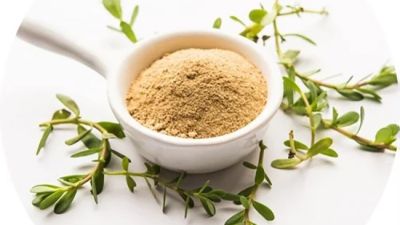
Bacopa monnieri, a revered herb in traditional Ayurvedic medicine, is gaining momentum in the nutraceutical industry due to its plethora of potential benefits. Extracted from the leaves of this aquatic plant, Bacopa monnieri is celebrated for its cognitive enhancement properties, including improved memory recall and reduced anxiety levels. According to a report by the Natural Medicines Database, Bacopa monnieri has been shown to enhance cognitive performance, particularly in aging populations and individuals experiencing cognitive decline. With the increasing consumer demand for natural cognitive enhancers, the applications of Bacopa monnieri extract powder in dietary supplements are endless.
Sourcing high-quality Bacopa monnieri extract from reliable suppliers in China ensures that manufacturers can provide a consistent and stable product to their customers. Our premium botanical extract, manufactured in state-of-the-art facilities, meets the rigorous standards necessary for modern supplement production. This compatibility is crucial as it allows formulators to integrate Bacopa monnieri into various finished products, ranging from capsules to functional foods. Research indicates that consistent bioactive compounds within Bacopa monnieri extract provide ongoing benefits, making it a preferred ingredient for brands aiming to deliver efficacy alongside quality.
As the functional foods market continues to expand, the significance of reliable ingredient sourcing cannot be overstated. Bacopa monnieri extract, with its scientifically supported health benefits, positions itself as an attractive option for manufacturers targeting the wellness-oriented consumer. Data from industry reports indicate a rising trend in consumer awareness regarding cognitive health, further underlining the crucial role of high-quality extracts in this burgeoning market.
FAQS
: The market is evolving towards sustainable sourcing practices and natural ingredients.
Not all extracts meet promised quality and potency standards.
Europe favors organic certifications, while Asia values traditional uses.
Clear labeling and ethical practices enhance trust among buyers.
It ensures fair trade and supports local economies.
Finding high-quality extracts at reasonable prices can be difficult.
Techniques like supercritical CO2 can improve potency but increase costs.
Varying regional standards require compliance to ensure reliability.
Knowledge about sourcing practices and regulatory environments is key.
It is essential for maintaining quality and ensuring long-term success.
Conclusion
The article "2026 Best Plant Extracts for Global Buyers to Consider" provides an insightful overview of the emerging trends in the plant extracts market as we approach 2026. It highlights the top plant extracts that global buyers should focus on, emphasizing their key benefits and diverse applications across various industries. Buyers are guided on sourcing quality plant extracts by outlining essential criteria, ensuring that they can make informed purchasing decisions.
Moreover, the article discusses the regulatory considerations that influence the procurement of plant extracts, as well as the importance of sustainable practices within the industry. It also explores future prospects, specifically innovations in plant extraction technologies that promise to enhance both efficiency and quality. Overall, the piece serves as a comprehensive resource for buyers looking to navigate the evolving landscape of plant extracts in the global market.