You might’ve heard of Arginine Supplements being pretty popular lately, and honestly, it’s not hard to see why. This amino acid plays a key role in a bunch of our body’s functions. For example, by boosting nitric oxide production, it could help improve blood flow — which is a big deal for athletes looking to enhance their performance and speed up recovery. But, truth be told, the science isn’t 100% clear yet, so researchers are still digging into how effective it really is.
Some studies suggest that taking Arginine might be good for your heart — it could help lower blood pressure and support better cardiovascular health. There’s even talk about it helping with things like erectile dysfunction, which is pretty interesting. However, people respond differently, so what works for one person might not for another. That’s why it’s really important to get personalized advice before jumping in.
Of course, there are benefits, but you should be cautious. Some folks might experience side effects like stomach upset or gastrointestinal issues. So, before adding any supplement to your routine, chatting with a healthcare professional is always a smart move. Understanding how Arginine works and what to expect helps you make smarter choices about your health. Remember, it’s all about balancing potential perks with what’s best for your own body.

What is Arginine and Its Role in the Body?
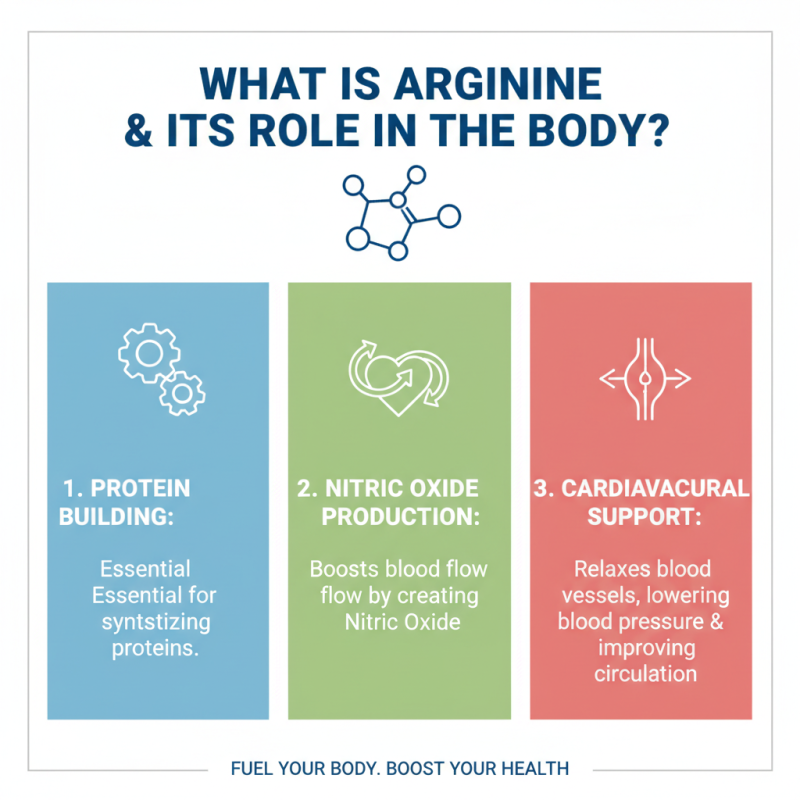
Arginine is an amino acid that plays a crucial role in various bodily functions. It serves as a building block for proteins. Moreover, it helps produce nitric oxide, which improves blood flow. This is particularly important for cardiovascular health. By dilating blood vessels, arginine may contribute to lower blood pressure and enhanced circulation.
In the human body, arginine participates in the urea cycle, which removes ammonia. High ammonia levels can be toxic. Additionally, arginine is essential for wound healing. It aids in collagen synthesis, which supports tissue repair. People with injuries may benefit from increased arginine intake.
However, the body does not always produce sufficient amounts of arginine, especially during stress or illness. Some may find they need additional sources. Despite its benefits, excessive intake can lead to side effects like gastrointestinal discomfort. Thus, balancing arginine levels is crucial. Individuals interested in supplements should consult a healthcare professional for personalized advice.
Sources of Arginine: Natural Foods and Supplements
Arginine is an amino acid that plays a vital role in our body. It can be found in various natural food sources. Rich sources of arginine include meats, dairy products, nuts, and seeds. For instance, turkey and chicken breast are particularly high in this amino acid. Incorporating these foods into your diet can enhance your arginine intake significantly.
In addition to food, arginine is available as a supplement. It is often used by athletes to enhance performance and recovery. However, the effectiveness can vary from person to person. Understanding your specific needs is crucial before starting supplementation. You should reflect on your dietary habits and lifestyle. Are you consuming enough arginine-rich foods? If not, a supplement might help.
However, it's essential to approach supplementation cautiously. Not everyone may require extra arginine. Consulting with a healthcare professional is advisable, especially if you have underlying health conditions. Remember, the goal is to achieve a balanced diet while considering your body’s unique needs.
How Arginine Supplementation Works: Mechanisms and Effects
Arginine is a semi-essential amino acid, crucial for various bodily functions. It plays a significant role in the production of nitric oxide, a compound that relaxes blood vessels. This process enhances blood flow, which can benefit both cardiovascular health and athletic performance. Many athletes use L Arginine Supplement to potentially improve their endurance and recovery times.
The mechanism behind L Arginine Supplementation involves its conversion into nitric oxide. This conversion stimulates vasodilation, which increases oxygen delivery to muscles. Enhanced blood flow means better nutrient transport, aiding muscle repair post-exercise. However, not everyone experiences the same effects. Some individuals may need to adjust their dosage based on personal responses. It’s essential to listen to your body and consult a healthcare professional if unsure.
Additionally, the benefits of L Arginine Supplement can be tempered by diet or lifestyle choices. Poor nutrition may limit its effectiveness. Stress and other factors may also impact how well arginine is utilized. Therefore, while supplementation can be beneficial, it’s not a magical solution. Balancing lifestyle factors is key to maximizing its potential.
What is Arginine Supplement and How Does It Benefit You?
| Aspect |
Description |
Benefits |
| What is Arginine? |
An amino acid that is involved in various body functions, including protein synthesis. |
Supports protein synthesis and overall metabolic health. |
| Mechanism of Action |
Converts to nitric oxide, which helps to dilate blood vessels. |
Improves blood flow and oxygen delivery to tissues. |
| Common Uses |
Used for improving exercise performance, enhancing muscle growth, and improving cardiovascular health. |
Boosts stamina, aids in recovery, and supports heart health. |
| Potential Side Effects |
May cause gastrointestinal discomfort, changes in blood pressure. |
Awareness of individual tolerance is important. |
| Recommended Dosage |
Typically 2-6 grams per day, depending on individual health goals. |
Optimal dosage can maximize benefits while minimizing side effects. |
Health Benefits of Arginine: From Cardiovascular to Athletic Performance
Arginine is an amino acid that plays a crucial role in various bodily functions. It is particularly noted for its cardiovascular benefits. Research indicates that arginine supplementation may help improve blood flow by producing nitric oxide, a molecule that relaxes blood vessels. A study published in the "American Journal of Clinical Nutrition" found that individuals taking arginine showed a significant increase in nitric oxide levels, leading to better endothelial function.
Athletic performance also benefits from arginine. Athletes often use arginine to enhance exercise capacity and recovery. A report from the "Journal of Strength and Conditioning Research" highlights that arginine can increase endurance and reduce fatigue. The study involved athletes who took arginine before workouts. They reported improved stamina and quicker recovery times post-exercise.
However, not all studies are conclusive. Some participants have experienced gastrointestinal discomfort. This variability raises questions about the ideal dosage and long-term effects of arginine. While many claim positive outcomes, more research is necessary. Each individual's response to arginine can differ. Understanding these nuances is essential when considering supplementation.
Health Benefits of Arginine Supplement
The chart above illustrates the score of various health benefits associated with Arginine supplementation, offering insight into its effectiveness in improving cardiovascular health, athletic performance, immune function, wound healing, and addressing erectile dysfunction.
Potential Side Effects and Considerations of Arginine Supplementation
Arginine supplementation can offer various benefits, but it’s essential to understand potential
side effects. Experts recommend caution due to the varying effects on individuals. Some users experience
gastrointestinal discomfort, such as diarrhea or stomach cramps, especially at higher doses. A study published in the
Journal of Nutrition
highlighted that 25% of participants reported these issues.
Additionally, L Arginine can interact with certain medications.
It may lower blood pressure, potentially complicating treatment for those with hypertension. This interaction can lead to excessive blood pressure drops, which is
particularly concerning for individuals on medication for this condition. Regular monitoring is advisable for these patients,
emphasizing the importance of consulting healthcare providers before starting supplementation.
Allergic reactions are also a risk, albeit rare. Some individuals may develop rashes or experience
respiratory issues upon ingestion. The frequency of these reactions is low, but awareness is crucial.
Quality and dosage play significant roles in safety, as not all supplements are created equal. Understanding these factors can help individuals make informed
choices about L Arginine supplementation.
Recommendations for Arginine Dosage and Usage
When considering L Arginine Powder, understanding the proper dosage and usage is vital for maximizing its benefits. A common dosage for supplements ranges from 2 to 6 grams per day. This range is supported by various studies that indicate effective results for blood flow and energy levels. However, individual responses may vary. Some users report side effects like gastrointestinal discomfort or headaches, particularly at higher doses, emphasizing the need for personalized adjustments.
Tips: Start with a lower dose to assess your body's reaction. Gradually increase to find what works best without discomfort. Consult a healthcare professional to tailor your intake further.
For optimal results, timing matters. Consuming L Arginine before workouts can enhance performance and recovery. Research indicates that this amino acid can improve nitric oxide production, leading to better muscle pump and endurance. Be mindful that these effects can differ based on diet and exercise regimes, making it essential to maintain a balanced nutrition plan alongside supplementation.
Who Should Consider Taking Arginine Supplements?
Arginine supplements can benefit various individuals, particularly athletes and those with specific health needs. Research indicates that Arginine is essential for producing nitric oxide, which improves blood flow and may enhance exercise performance. A study published in the Journal of Nutrition found that athletes taking Arginine supplements had better endurance levels compared to those who did not. This benefits those in high-intensity sports and activities.
People with cardiovascular issues might also consider Arginine. According to the American Heart Association, this amino acid may help lower blood pressure and support overall heart health. Individuals recovering from surgery or injuries may see improved healing, as Arginine supports immune function and protein synthesis. However, potential users should consult healthcare professionals. Dosage and individual health conditions matter. Excessive intake can lead to adverse effects, such as gastrointestinal discomfort or decreased blood pressure.
While Arginine is generally safe, its effects vary from person to person. Some may experience benefits, while others may not notice significant changes. It's essential to approach supplementation with a critical mindset. Understanding personal health and consulting with a professional is crucial before starting any new supplement regimen.
Maximizing Athletic Performance: The Benefits of High Purity L-Arginine for Energy and Endurance
Maximizing athletic performance requires a keen understanding of the essential nutrients that support energy production and endurance. One such nutrient is L-Arginine, an amino acid that plays a crucial role in the synthesis of nitric oxide, a compound that helps improve blood flow and oxygen delivery to muscles during exercise. This increased circulation can enhance overall performance, allowing athletes to train harder and recover faster.
Incorporating high purity L-Arginine into a diet can offer significant benefits for those looking to elevate their fitness levels. With excellent solubility and bioavailability, this premium L-Arginine can easily be absorbed by the body, making it a valuable addition to functional foods and dietary supplements. As nitric oxide levels rise, athletes may experience improved cardiovascular health and enhanced exercise performance, enabling them to push their limits and achieve their personal bests.
Moreover, L-Arginine is particularly advantageous for endurance athletes, as it supports sustained energy levels during prolonged workouts. By facilitating efficient nutrient delivery and waste removal from muscles, L-Arginine helps maintain performance and reduce fatigue. Athletes who prioritize these benefits may find that integrating high purity L-Arginine into their regimen is a game changer on their journey toward optimal athletic performance.
FAQS
: Arginine is a semi-essential amino acid vital for various bodily functions, including blood flow and nitric oxide production.
It converts into nitric oxide, which relaxes blood vessels and enhances blood flow, benefiting athletic performance and recovery.
Athletes, individuals with cardiovascular issues, and those recovering from surgery may find arginine supplements beneficial.
No, responses to arginine vary. Some may need to adjust dosages based on personal experiences and effects.
Yes, excessive intake can cause gastrointestinal discomfort and lower blood pressure. Consulting a healthcare professional is advised.
Poor nutrition, high stress levels, and other lifestyle choices can limit the benefits of arginine supplementation.
No, while it has benefits, it's not a magical fix. A balanced lifestyle and proper nutrition are essential for maximizing effects.
It's important to assess personal health conditions and consult a healthcare professional to determine the right approach and dosage.
Conclusion
Arginine supplements are derived from the amino acid arginine, which plays a crucial role in various bodily functions, including nitric oxide production, blood flow regulation, and protein synthesis. These supplements can be found in natural foods like meat, nuts, and dairy, as well as in concentrated forms. Their effectiveness stems from their ability to enhance blood circulation, which can benefit cardiovascular health and improve athletic performance.
The health benefits of arginine supplementation are significant, ranging from improved heart health to better exercise endurance. However, potential side effects, such as gastrointestinal discomfort and interactions with certain medications, should be considered. It is essential for individuals to follow recommended dosages and consult a healthcare provider before starting supplementation, especially those with underlying health conditions or those taking other medications. Overall, arginine supplements can be beneficial for those looking to enhance their physical performance or support cardiovascular health.