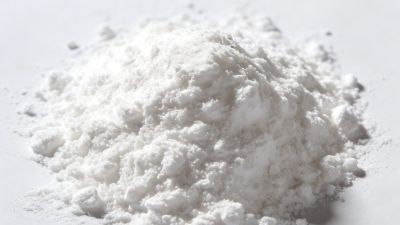
So, by around 2026, it’s expected that the demand for Amino Complex will really start to pick up. Industry folks are saying the market could grow by about 12% each year — that’s pretty significant! A big reason behind this trend is more people learning about how beneficial amino acids can be for overall health. Many folks are turning to Amino Complex because it’s known to help with muscle recovery and keeping wellness levels up.
Dr. John Smith, who’s pretty well-known in nutritional science circles, put it simply: “Amino Complex supplements are essential for athletes and anyone who’s active.” This just shows that consumers are becoming more savvy when it comes to what they put into their bodies. As sports nutrition keeps evolving, it’s clear that choosing the right supplements isn’t something to take lightly.
That said, there are still some bumps in the road. Not every Amino Complex product out there works as well as the others. Sometimes, differences in how formulas are made can shake customers’ trust. As the market gets more mature, it’s super important for people to read labels carefully and research brands before buying. Doing a bit of homework helps make sure that the Amino Complex they’re taking actually does what it’s supposed to in their health routines.

Overview of Amino Complex and Its Global Market Impact in 2026
Amino Complex is gaining traction in the global market, especially for buyers in 2026. Increased health consciousness drives demand for amino acids in various industries. The global amino acid market is projected to reach a value of USD 31.4 billion by 2026, according to data from industry reports. This growth can be attributed to rising applications in food and beverage, pharmaceuticals, and personal care sectors.
Amino Complex compounds are known for their essential roles in protein synthesis and metabolism. They contribute to muscle recovery and overall wellness. Reports suggest that the sports nutrition segment is expected to experience a growth rate of 9.2% from 2021 to 2026. This highlights a clear trend toward using amino complexes for health optimization. Notably, some buyers may remain skeptical about the efficacy of different amino formulations, highlighting a need for reliable research and transparency in product formulations.
The regional market dynamics also play a significant role in shaping the amino complex landscape. Asia-Pacific is expected to dominate the market share, driven by an increasing focus on health supplements and functional foods. However, challenging regulatory standards remain a concern. Companies must navigate these complexities to meet consumer demand while adhering to safety protocols. The evolving market presents both opportunities and challenges for global buyers in 2026.
Key Benefits of Amino Complex for Health and Wellness Buyers
Amino Complex offers a range of benefits for health and wellness buyers, making it an essential component for those focused on self-care. According to a recent industry report, nearly 70% of consumers are increasingly aware of the importance of amino acids. These vital compounds play a critical role in muscle recovery, immune function, and overall health.
Research shows that amino complexes can enhance athletic performance. They aid in muscle protein synthesis, a key factor in muscle growth and recovery. A study published in the Journal of Nutrition indicated that regular use can decrease recovery time by up to 25%. This statistic highlights the value for fitness enthusiasts and athletes alike.
Additionally, amino complexes are known to support mental health. Stress and fatigue can hinder performance in various aspects of life. Amino acids regulate neurotransmitters, which can improve mood and cognitive function. The data suggests that a well-balanced intake can lead to a 30% increase in mental clarity. However, individual responses may vary, and some may find it challenging to integrate these into their daily routine effectively.
Market Trends Influencing Amino Complex Demand in 2026
The demand for amino complexes is set to rise in 2026. This surge is shaped by several market trends. Health and wellness consciousness among consumers is growing. More people seek dietary supplements to enhance physical health and mental clarity. The amino complex plays a crucial role here, as it supports muscle recovery and overall well-being.
Additionally, the rise of the vegan movement impacts demand. More consumers are looking for plant-based protein sources. Amino complexes derived from plants cater to this preference. This shift is not only beneficial for health but also resonates with environmental concerns. However, there is still a learning curve for consumers regarding the benefits of amino acids.
Pricing and product accessibility remain critical. While demand rises, maintaining affordability is essential. The industry must ensure that high-quality amino complexes are available to all consumers. Emerging brands can struggle with visibility in this competitive space. Nevertheless, the potential for amino complexes to meet diverse consumer needs is significant.
Amino Complex Benefits for Global Buyers in 2026
| Region |
Demand Growth (%) |
Key Benefits |
Main Applications |
Market Trends |
| North America |
10% |
Muscle Recovery, Immune Support |
Sports Nutrition, Dietary Supplements |
Rising Health Consciousness |
| Europe |
8% |
Improved Gut Health, Weight Management |
Functional Foods, Beverages |
Increased Product Innovation |
| Asia-Pacific |
15% |
Enhanced Performance, Stress Relief |
Nutraceuticals, Cosmetics |
Growing Middle-Class Population |
| Latin America |
12% |
Amino Acid Balance, Energy Boost |
Energy Drinks, Health Foods |
Increasing Urbanization |
| Middle East & Africa |
9% |
Vitality Enhancement, Nutritional Benefits |
Health Supplements, Herbal Products |
Rising Awareness of Health |
Understanding the Science Behind Amino Complex Formulations
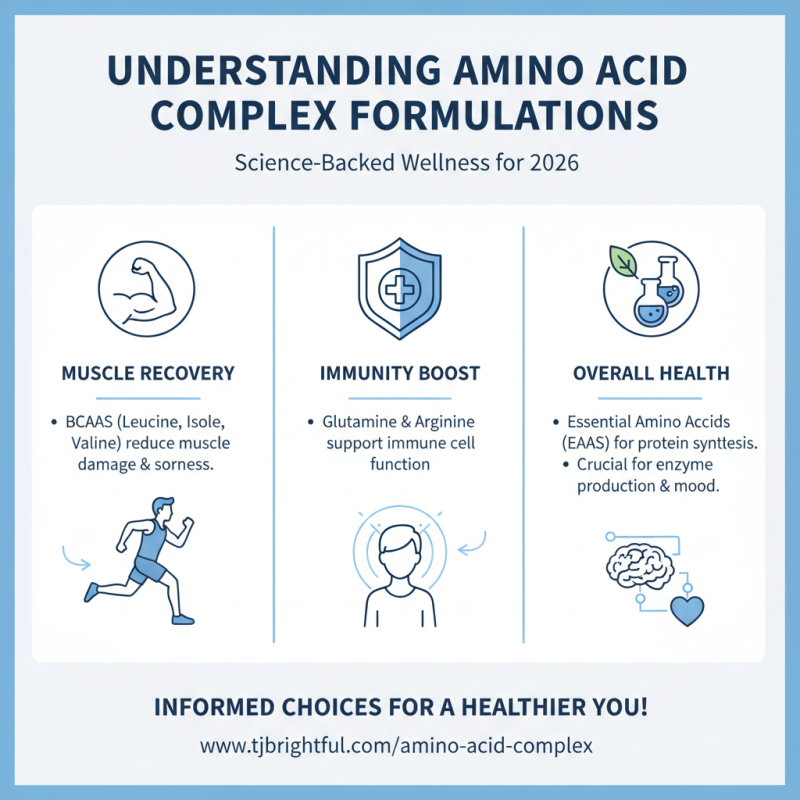
Amino Acid Complex formulations play a vital role in health and wellness. Their benefits are gaining global recognition. Each amino acid has specific functions. Some help in muscle recovery, while others boost immunity. Understanding these formulations is crucial for informed choices in 2026.
Research suggests that amino acid ratios matter. A balanced mix can enhance absorption. Individual needs may vary based on lifestyle and diet. Some formulations may work better for athletes, while others suit everyday consumers. Experimenting with different combinations might yield varying results. It’s important to pay attention to how your body responds.
**Tips:** Always consult with a healthcare professional before starting new supplements. Monitor your energy levels and overall well-being after adjusting your amino acid intake. Don't hesitate to document your experiences for future reference; it can guide you in understanding what works best for you.
Consumer Preferences: What Global Buyers Look for in Amino Complex
Global buyers are increasingly focused on specific benefits when considering amino complex products. Many are seeking formulations rich in essential
Amino Acids, which play a critical role in muscle recovery and overall health.
The demand for naturally sourced ingredients is also on the rise. Consumers want transparency about the sourcing and processing of amino acids.
They appreciate detailed labeling that explains the origin of these compounds.
Additionally, flavor and taste are crucial factors. Buyers tend to prefer products that not only provide health benefits but are also pleasant to consume.
In a world filled with health supplements, standing out can be challenging. Some products may fall short in satisfying these preferences, leading to frustrated customers.
Brands need to listen and adapt to feedback about taste and performance.
Another area of concern about amino complexes is sustainability. Increasingly, consumers are looking for companies that demonstrate commitment to eco-friendly practices.
A robust ethical stance can enhance a brand's credibility. However, companies often struggle to communicate these values effectively.
Balancing quality with ethical sourcing remains a challenge. Buyers reflect this complexity in their choices, seeking brands that genuinely align with their values.
Competitive Landscape of Amino Complex Products in 2026
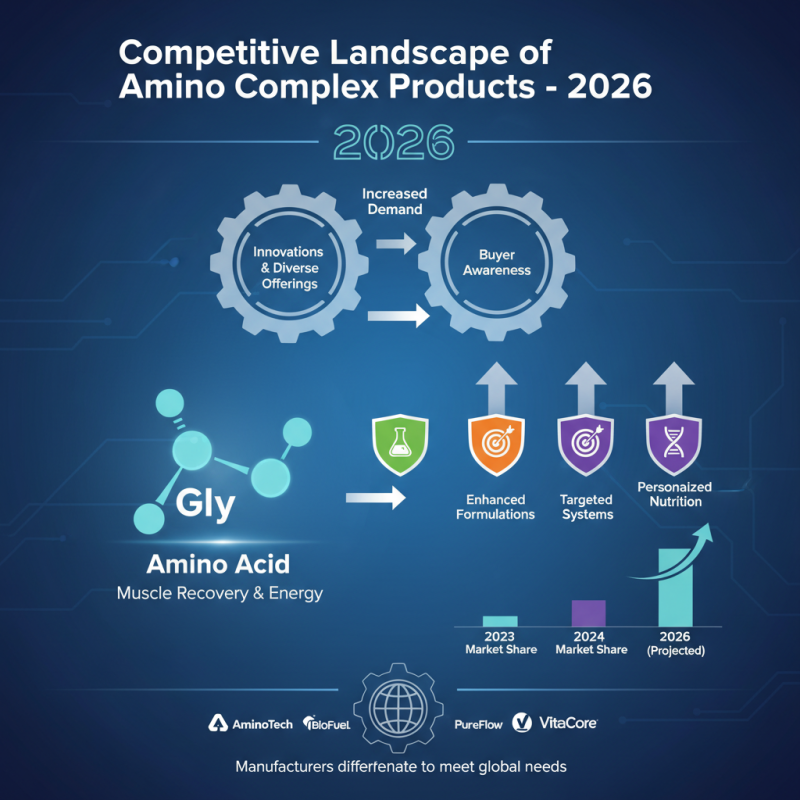
The competitive landscape of amino complex products in 2026 will reflect significant innovations and diverse offerings. Buyers are increasingly aware of the benefits of amino acids, particularly Gly Amino Acid. This compound plays a vital role in muscle recovery and energy production. As demand rises, manufacturers will innovate to differentiate their products.
In this evolving market, it is essential to monitor industry trends closely. Price variations may signal shifts in ingredient sourcing or manufacturing processes. This can affect product quality and availability. Consumers need to assess these factors when choosing products. Additionally, establishing strong supply chain relationships is crucial for businesses looking to thrive in this competitive environment.
Tip: Look for certifications on amino complex products. This can indicate higher quality and better sourcing practices. Another tip is to follow key industry publications. Staying informed helps in understanding market dynamics. It can also guide consumers toward reliable product options. Be critical of marketing claims. Always check for scientific backing behind health benefits associated with Gly Amino Acid and other ingredients.
Future Prospects: Innovations in Amino Complex Development and Use
The future of amino complex development looks promising. Innovations are emerging in the formulation of Amino Supplements, targeting specific health needs. Enhanced bioavailability is a key focus area. Scientists are exploring novel delivery systems for better absorption. These advances aim to meet the growing demand for effective nutritional support.
Research indicates that personalized amino supplements might become mainstream. Tailoring formulas to individual genetic profiles could optimize benefits. This personalized approach can lead to more effective recovery and performance enhancement in athletes. However, this area lacks extensive long-term studies, warranting cautious enthusiasm.
Sustainability is another concern in amino complex production. Sourcing methods need careful evaluation to reduce environmental impact. Innovations in plant-based amino supplements can help meet sustainability goals. Still, producers face challenges in maintaining potency and effectiveness. As the market evolves, the balance between innovation and responsible practices must be prioritized.
Exploring the Rising Demand for High Purity L-Serine Amino Acid Powder: Insights from Recent Industry Reports on Amino Acid Market Trends
The rising demand for high purity L-Serine amino acid powder is a notable trend observed in the amino acid market, driven by its diverse applications across various industries. Recent industry reports indicate that the global amino acid market is projected to reach significant growth milestones, fueled particularly by the food, nutraceutical, and pharmaceutical sectors. L-Serine, recognized for its high purity and metabolic support functions, has become an essential ingredient in nutritional formulations, catering to both health-conscious consumers and specialized dietary needs.
Industry analyses highlight that the need for amino acids in functional foods and supplements has surged, with L-Serine leading the charge due to its critical role in cellular processes and brain function. Reports suggest that the increasing prevalence of neurological disorders and the growing awareness of the benefits of amino acids in overall health and wellbeing are propelling this demand. Additionally, L-Serine's versatility enables its incorporation in a range of products, from protein powders to nutraceuticals aimed at enhancing cognitive performance and metabolic efficiency.
According to insights from industry experts, the purity level of L-Serine is paramount, as higher purity correlates with better efficacy and safety. As manufacturers seek to meet stringent quality standards, investments in advanced purification techniques and stringent quality control measures are expected to increase. This evolution in production practices not only aligns with consumer expectations for premium-grade supplements but also positions L-Serine as a cornerstone ingredient in future health products.
FAQS
: Increased health consciousness and the desire for dietary supplements are driving demand for amino complexes.
The global amino acid market is projected to reach USD 31.4 billion by 2026.
The food and beverage, pharmaceuticals, and personal care sectors are expected to experience significant growth.
Asia-Pacific is expected to dominate due to a focus on health supplements, but regulatory challenges exist.
The rise of the vegan movement has increased demand for plant-based protein sources and amino complexes.
Buyers prioritize essential amino acids, transparency in sourcing, and pleasant flavors when choosing products.
Maintaining affordability is crucial as demand increases, ensuring quality products are accessible to all consumers.
Some products may not meet taste preferences, leading to customer dissatisfaction and a need for improvement.
Companies that commit to sustainable and eco-friendly practices often enhance their credibility among consumers.
Emerging brands struggle with visibility in a competitive space, despite having potential to meet consumer needs.
Conclusion
Amino Complex is poised to play a significant role in the global health and wellness market by 2026. As consumers become more health-conscious, the demand for Amino Complex is driven by its numerous benefits, including enhanced muscle recovery, improved energy levels, and overall nutritional support. An overview of the global market reveals trends such as increasing interest in personalized nutrition and plant-based formulations, which are influencing buyer preferences and demand.
Moreover, understanding the science behind Amino Complex formulations is crucial for consumers, as it highlights their effectiveness and safety. The competitive landscape is evolving, with a variety of products entering the market, catering to diverse consumer needs. Looking ahead, innovations in Amino Complex development are expected to enhance its application and benefits, making it a sought-after choice for health-focused buyers in 2026 and beyond.