Get a Quote
Leave Your Message
Describe your specific request*
0%

For folks buying globally, Fermented Glutamine isn’t just another amino acid on a product sheet. It’s about what’s behind it—like how it was fermented, what raw materials they used, the downstream purification process, and how they handle documentation. Sure, a bright white powder might look pretty much identical no matter who makes it. But the story of how it was produced can be totally different.

Remember Louis Pasteur, the guy who kickstarted fermentation science? He once said, “Chance favors only the prepared mind.” That’s a good reminder here. Trustworthy manufacturers get ready with controlled microbial strains, validated processes, thorough batch testing, and traceable records. This guide takes a look at seven top Fermented Glutamine suppliers—like Ajinomoto, Kyowa Hakko Bio, CJ CheilJedang, Meihua Holdings, Fufeng Group, Ningxia Eppen, and Shandong Chengxin—and checks out their production capacity, purity, quality systems, export experience, customization options, and tech support.

The nitty-gritty details really matter. Buyers should dig into assay results, moisture content, microbiological limits, heavy metal reports, and how well their packaging holds up. It’s also smart to check if the supplier can cater to food, feed, pharma, or sports nutrition needs. Certifications are great, but they don’t tell you everything. Sometimes, an in-person audit can give you a much clearer picture than just a fancy brochure.

Now, keep in mind—this isn’t a perfect ranking. Data can change pretty quickly, and availability in your region might impact your final choice. Some companies might not share tons of technical info, so that gap is worth paying attention to. Also, don’t get caught up in price alone. A cheaper quote might hide longer lead times, inconsistent granulation, or tricky communication.

Ultimately, the best pick depends on what you’re using it for, your market, how much you need annually, and how comfortable you are with risks. Global buyers need to compare evidence, not just promises. And honestly, consistent quality is what really matters in the end.
7 Best Fermented Glutamine Manufacturers for Global Buyers

What Fermented Glutamine Is and Why Global Buyers Choose It

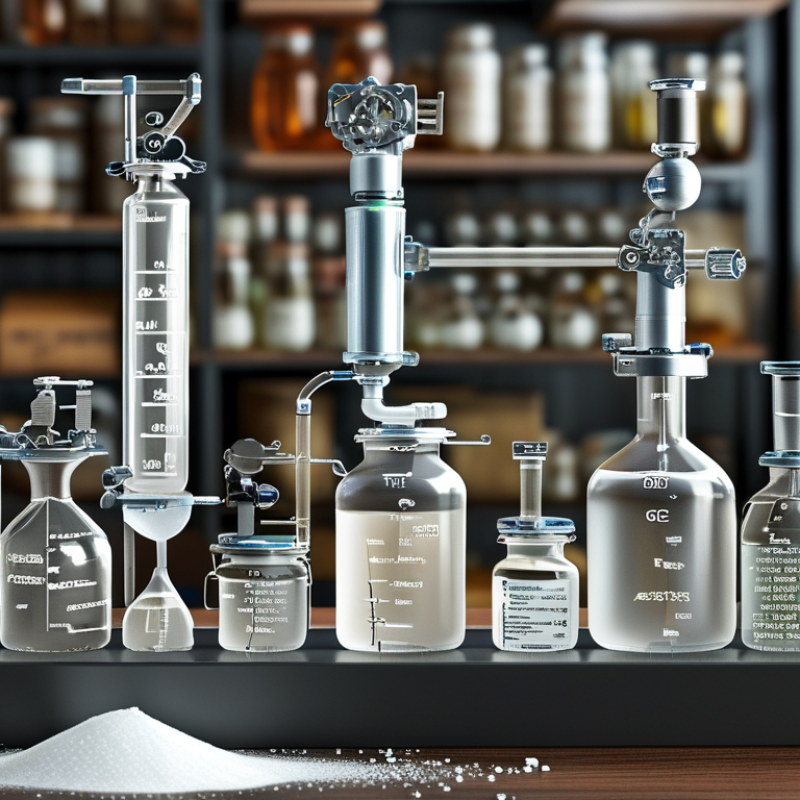
Fermented glutamine is L Glutamine produced through controlled microbial fermentation rather than direct chemical synthesis. In practical terms, selected microorganisms convert carbohydrates into glutamine in stainless-steel tanks. The product is then separated, purified, dried, and tested. This route can support consistent quality when process controls remain stable. That distinction matters.

Global buyers often choose fermented material for traceability, dependable supply, and compatibility with many dietary requirements. It may suit fermentation-derived or vegan formulations, but buyers should verify the culture medium. Vegan is not automatic. A supplier’s certificate of analysis should show identity, assay, moisture, microbiological limits, and heavy-metal results. Independent testing adds confidence, especially when shipments cross several regulatory regions. Fermentation itself does not guarantee purity.

In practical sourcing work, batch-to-batch communication often reveals more than a polished brochure. Ask for fermentation records, allergen statements, stability data, and packaging details before approving a factory. Check whether the stated purity applies to dry basis or as-is material. That small detail can change cost calculations. Buyers should also review storage conditions, because heat and moisture can damage powder quality. Not every low-price offer is efficient. Sometimes, the cheapest quote hides weaker documentation or higher testing work.

Key Criteria for Evaluating Fermented Glutamine Manufacturers

Key Criteria for Evaluating Fermented Glutamine Manufacturers

Choosing a fermented glutamine manufacturer requires more than comparing Glutamine Bulk prices. Start with process transparency. The supplier should disclose the production microorganism, fermentation controls, purification stages, and drying conditions. According to WHO Technical Report Series guidance on good manufacturing practices, documented validation and traceability are essential for consistent quality. Ask for batch records, not only a polished certificate of analysis.

Analytical depth matters. The COA should show glutamine identity, assay, moisture, microbial limits, heavy metals, and residual processing chemicals. USP quality guidance recommends using orthogonal testing methods when identity or contamination risks exist. Independent laboratory verification adds credibility, especially for export shipments. Review at least three recent batches. Look for stable results, not one perfect number. A 2024 FAO food safety framework also emphasizes preventive controls across the supply chain, including raw-material risk assessment and supplier qualification. Fermentation can improve scalability, but it does not automatically guarantee purity.

Tips: Request a small sample first. Test solubility in clear water, inspect the powder’s odor, and compare the supplier’s results with an independent laboratory report. Check packaging seals, lot codes, storage temperature, and shelf-life evidence. Confirm whether the manufacturer can provide country-specific documentation. Some suppliers answer quickly but avoid technical questions. That is a warning sign. I would also question unusually low prices; cheaper material may reflect weaker testing, not better efficiency. A reliable partner explains limitations openly and corrects records when needed.

How the Seven Leading Manufacturers Differ in Quality and Capacity

The seven leading fermented glutamine manufacturers differ most in process control, documentation, and usable capacity. Two focus on pharmaceutical-grade production, with tighter impurity limits and more frequent batch testing. Three mainly serve food and sports-nutrition buyers, offering larger standard lots and flexible packaging. The remaining two compete through regional warehouses and shorter lead times. Capacity claims need caution. “Annual capacity” may include several amino acids, not glutamine alone. Grand View Research’s 2024 amino acids report identified pharmaceuticals, nutrition, and functional foods as major demand drivers. Fortune Business Insights also reported continued amino-acid market growth, but its market scope differs. These reports are useful, not perfectly comparable.

In practice, quality begins with the fermentation strain and ends with release testing. Strong producers provide assay results, heavy-metal limits, microbiological data, allergen statements, and traceability records. Some also disclose fermentation media controls and solvent-free downstream processing. Buyers should compare assay results across three recent lots, not one attractive certificate. I have seen impressive capacity figures fail during seasonal demand. That is an uncomfortable, but practical lesson. A large vessel does not guarantee consistent supply. Look for validated cleaning, backup utilities, and documented change-control procedures.

Tips: Request samples from at least three batches. Check glutamine purity, moisture, microbial limits, and particle size. Ask whether stated capacity is dedicated or shared. Confirm lead times under peak demand, not only normal conditions. The United States Pharmacopeia and ISO quality frameworks can support supplier evaluation, but certification alone cannot replace an audit. A short video audit may reveal storage congestion, weak labeling, or manual records. These details often matter more than polished brochures.

Production Standards, Fermentation Technology, and Quality Control

7 Best Fermented Glutamine Manufacturers for Global Buyers

Selecting a fermented glutamine manufacturer requires more than comparing price lists. Production should follow documented GMP, HACCP, or equivalent quality systems. Buyers should review fermentation records, raw material origins, and batch traceability. Each lot needs clear identification from culture medium to final packaging. Small details matter.

Fermentation technology affects purity, yield, and consistency. Reliable facilities control pH, temperature, oxygen, and feeding rates during microbial growth. Operators should monitor contamination risks and validate cleaning procedures. After fermentation, filtration, concentration, drying, and milling require controlled conditions. Stable particle size helps with blending and filling. It sounds technical. It is.

Quality control should include identity testing, assay results, microbial limits, moisture, heavy metals, and residual impurities. HPLC or equivalent methods can confirm glutamine content. For buyers requesting L Glutamine Usp, the supplier should explain whether testing follows the current USP monograph or another validated standard. A certificate alone is not enough. Review the test method, sampling plan, and laboratory qualification. Independent testing can strengthen confidence, especially for new suppliers.

During audits, ask for deviation reports and corrective action records. Perfect paperwork may hide weak production habits. A transparent manufacturer admits occasional failures and shows how they were fixed. That honesty is useful. Global buyers should also confirm packaging integrity, storage conditions, shelf-life data, and export documentation before approving a supplier.

7 Best Fermented Glutamine Manufacturers for Global Buyers - Production Standards, Fermentation Technology, and Quality Control

Manufacturer Profile Primary Fermentation Route Typical Product Grade Relevant Production Standards Fermentation Technology Key Quality-Control Checks Traceability and Documentation Best Fit for Global Buyers
Manufacturer Profile 1 Microbial submerged fermentation Food, pharmaceutical, and sports-nutrition grades GMP-based hygiene controls; HACCP plan; ISO 9001 or equivalent quality system Controlled pH, temperature, dissolved oxygen, and nutrient feeding in stainless-steel bioreactors Identity, assay, moisture, optical rotation, microbial limits, heavy metals, and residual solvents where applicable Batch number, raw-material records, process records, certificate of analysis, and retained samples Large-volume buyers requiring stable specifications and repeatable batch performance
Manufacturer Profile 2 Aerobic fermentation using a production microorganism High-purity L-glutamine for nutraceutical and food applications FSSC 22000 or ISO 22000 food-safety framework; allergen and foreign-material controls Fed-batch operation with online monitoring and validated sterilization procedures HPLC assay, pH, loss on drying, total plate count, yeast and mold, pathogens, and elemental impurities Supplier qualification, lot release records, deviation management, and change-control notifications Food and supplement importers needing food-safety certification and complete shipment files
Manufacturer Profile 3 Industrial-scale submerged fermentation Bulk crystalline L-glutamine GMP manufacturing principles; validated cleaning; documented sanitation and pest-control programs Seed-train expansion, fed-batch fermentation, cell removal, concentration, crystallization, and drying Assay and purity profile, crystal appearance, particle-size distribution, moisture, microbial testing, and impurity profile Electronic batch records or controlled paper records, lot genealogy, and documented release approval Distributors and contract manufacturers purchasing full-container or recurring bulk volumes
Manufacturer Profile 4 Non-animal-source microbial fermentation Vegan, non-GMO, and allergen-controlled grades subject to buyer verification HACCP; ISO 22000 or equivalent; documented non-animal-origin and allergen controls Defined culture media, closed-process fermentation, membrane separation, and controlled drying Identity, assay, microbial limits, allergen cross-contact review, GMO declaration, and animal-origin statement Raw-material declarations, allergen matrix, non-GMO statement, country-of-origin documents, and CoA Plant-based supplement brands and buyers serving markets with strict labeling requirements
Manufacturer Profile 5 Precision-controlled microbial fermentation Pharmaceutical and clinical-nutrition grade, subject to specification Pharmaceutical GMP expectations; validated analytical methods; controlled environmental monitoring Automated bioreactor control, defined process parameters, sterile transfers, and validated downstream processing Assay, related substances, endotoxin where relevant, bioburden, elemental impurities, and stability testing Validated methods, approved specifications, change-control system, OOS investigation, and stability records Regulated-industry buyers needing stronger quality agreements and audit support
Manufacturer Profile 6 High-throughput aerobic fermentation Standard and customized food-grade powder specifications Food GMP; HACCP; ISO 9001 quality management; warehouse and transport controls Scalable seed culture, automated feed control, centrifugation or filtration, crystallization, and spray or fluid-bed drying Assay, moisture, bulk density, flowability, particle size, microbial limits, and packaging integrity Lot-level pallet identification, packaging records, transport conditions, and export documentation Private-label, sports-nutrition, and beverage-powder companies requiring flexible specifications
Manufacturer Profile 7 Integrated fermentation and purification process Premium-purity L-glutamine for international ingredient supply GMP and food-safety systems; risk-based supplier approval; formal product-release procedures Closed fermentation, biomass separation, decolorization, ion-exchange or membrane purification, crystallization, and drying HPLC purity, identification, moisture, color, microbial profile, heavy metals, residual process chemicals, and stability Quality agreement, audit questionnaire, full CoA, specification sheet, SDS, and certificate-of-origin support Global buyers prioritizing documentation, multi-market compliance, and long-term supply continuity

Note: Certification, grade, non-GMO, vegan, and regulatory claims should be confirmed against current certificates, product specifications, audit records, and batch-specific certificates of analysis before purchase.

Product Forms, Specifications, Certifications, and Global Compliance

Selecting among the 7 best fermented glutamine manufacturers requires more than comparing price per kilogram. Experienced global buyers examine product forms, specifications, certifications, and market-specific compliance before placing a trial order.

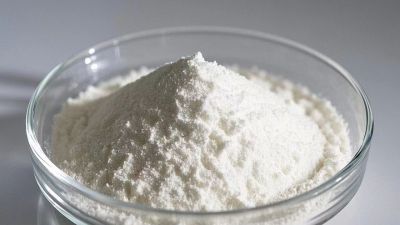
Most manufacturers offer white crystalline powder in food, sports nutrition, or pharmaceutical grades. Some provide granules, capsules, or customized blends through contracted processing. A reliable specification should state glutamine assay, moisture, particle size, pH, microbial limits, heavy metals, allergens, and residual solvents. Packaging details also matter. For example, double polyethylene liners inside 25-kilogram fiber drums can reduce moisture exposure during ocean transport.

Ask for a recent certificate of analysis from the actual production batch. Not a generic template. Useful documents include safety data sheets, technical data sheets, allergen declarations, origin statements, and full traceability records. Certifications such as HACCP, GMP, ISO 22000, or FSSC 22000 can support supplier evaluation, but their scope and validity need checking. A certificate alone proves little.

Global compliance depends on the destination and intended use. Food, supplement, and pharmaceutical requirements may differ significantly. Buyers should confirm labeling rules, permitted additives, import documents, and contaminant limits with qualified local specialists. I also recommend reviewing stability data under heat and humidity. This step is often overlooked. Fermentation sounds reassuring, yet process controls still require evidence. My own supplier assessments have sometimes focused too heavily on certificates and not enough on complaint handling, batch consistency, and communication speed. That is a mistake worth correcting.

Pricing, Minimum Orders, Logistics, and Supplier Support

Selecting the seven best fermented glutamine manufacturers requires more than comparing a quoted price. Glutamine Powder may be cheaper in bulk, yet freight, testing, packaging, and customs can change the final cost. Request tiered pricing for 25 kg, 100 kg, and pallet quantities. Confirm whether the quote includes export documents, insurance, and temperature-controlled handling. A low MOQ helps product testing, while larger orders usually improve unit economics.

The World Bank’s 2023 Logistics Performance Index assessed 139 economies across customs, infrastructure, tracking, and delivery timeliness. Use these criteria when reviewing supplier logistics. Ask for batch-specific certificates of analysis, microbial results, heavy-metal testing, and fermentation records. Supplier support should include technical documentation, label guidance, complaint response times, and backup production capacity. The WTO’s 2024 trade outlook also highlighted continuing pressure on global merchandise flows, so shipment buffers matter. Two extra weeks may prevent a costly stockout.

Tips: Compare landed cost, not factory price. Ask for three recent shipment references. Check whether the MOQ applies per flavor, package size, or total order. Clarify payment terms and port responsibilities. I would not trust a polished brochure alone. One weakness remains: supplier data can become outdated quickly. Recheck certificates and transit estimates before signing. Also, confirm that the powder’s intended use matches local food and supplement requirements.

Fermented Glutamine Supplier Evaluation Benchmark

Indicative planning benchmarks for global buyers. Scores summarize commonly compared commercial factors and are not rankings of any specific company or brand.

Bulk fermented L-glutamine purchasing typically involves comparing indicative prices of about USD 10–20 per kg, minimum orders of roughly 500–1,000 kg, production and export lead times of approximately 21–45 days, and documentation or technical support response within 1–3 business days. Buyers should verify current quotations, certifications, shipping terms, and test reports before placing an order.

How to Select the Right Fermented Glutamine Manufacturer for Your Market

Selecting among the 7 best fermented glutamine manufacturers requires more than comparing price lists. The 2024 Grand View Research report estimates the global amino acids market at approximately USD 28.7 billion in 2023, with strong growth expected through 2030. That expansion attracts capable producers and weaker imitators. Buyers should request fermentation records, production-site details, and evidence of consistent batch control.

Check the raw material source, microbial strain information, and downstream purification steps. A reliable manufacturer should provide a complete certificate of analysis for every lot. Key tests include assay, moisture, heavy metals, microbiological limits, and residual solvents. Ask whether testing uses validated methods aligned with USP, EP, or relevant national standards. Do not accept “food grade” as sufficient proof. It is too vague.

Audit practical performance, not polished brochures. The supplier should explain how it manages temperature excursions, packaging damage, and shipment delays. ISO 22000 or HACCP certification supports a stronger food-safety system, but certification alone cannot prove product quality. Request at least three recent batch results and compare their variation. Small differences matter. The 2023 BCC Research report identifies fermentation as a major route for commercial amino-acid production, yet process transparency still varies widely. I would also examine lead times, minimum order quantities, and regulatory documents for each destination market. A low-cost supplier may become expensive after repeated re-testing or customs delays. That risk is easy to underestimate.

Food-Grade L-Glutamine Amino Acid Powder: Benefits, Uses, Quality, and Buying Guide

Food-grade L-glutamine is a versatile amino acid powder used in dietary supplements, sports nutrition, and functional food formulations. As an important component of protein metabolism, it helps provide nutritional support for individuals with active lifestyles and increased dietary needs. Its neutral taste, easy solubility, and compatibility with powders, capsules, beverages, and protein blends make it suitable for a wide range of product applications.

When selecting L-glutamine, quality and consistency should be key considerations. A high-purity ingredient can support accurate formulation and reliable performance, while good solubility helps create smooth, uniform products. Buyers should review the product’s specification sheet, manufacturing standards, testing records, and storage recommendations. Important quality indicators may include identity, purity, moisture content, microbiological limits, and the absence of unwanted contaminants. Clear traceability and stable batch-to-batch results are also valuable for manufacturers serving different markets.

L-glutamine powder should be stored in a cool, dry environment and protected from excessive heat, humidity, and direct sunlight. For dietary supplements, it can be included in single-ingredient formulas or combined with protein, amino acid, electrolyte, and recovery-focused products. Before purchasing, formulators should confirm the intended application, packaging options, documentation, minimum order requirements, and compliance with the regulations of the target market.

FAQS

How do fermented glutamine manufacturers differ most?

They differ in process control, documentation, testing frequency, and usable production capacity. Some prioritize pharmaceutical-grade standards. Others serve food and sports-nutrition buyers. Regional warehouses may shorten delivery times. Quality still needs verification.

What does annual production capacity really mean?

Annual capacity may cover several amino acids, not glutamine alone. A large fermentation vessel proves little. Ask whether capacity is dedicated or shared. Confirm supply during seasonal demand.

Which quality documents should buyers request?

Request assay results, heavy-metal limits, microbial data, allergen statements, and traceability records. Also review moisture, particle size, and residual impurities. Clear lot identification matters.

How can buyers compare product consistency?

Request samples from at least three recent batches. Compare purity, moisture, microbial limits, and particle size. One attractive certificate is insufficient. Real variation may appear later.

How does fermentation technology affect glutamine quality?

Controlled pH, temperature, oxygen, and feeding rates support stable microbial growth. Cleaning procedures should be validated. Filtration, drying, and milling also require control. Small particles matter during blending.

What should an audit examine?

Review fermentation records, cleaning validation, deviation reports, and corrective actions. Inspect storage areas and package labels. A short video audit may reveal crowded shelves or handwritten records. Paperwork can look perfect.

How should buyers evaluate testing results?

Confirm the identity method, assay procedure, sampling plan, and laboratory qualification. Ask whether testing follows a recognized current monograph or validated method. Independent testing can help with unfamiliar suppliers. It is not excessive.

What supply details should be confirmed before approval?

Confirm normal and peak-demand lead times, packaging integrity, storage conditions, shelf life, and export documents. Ask about backup utilities and documented change control. I would not trust capacity claims alone. Availability can fail when demand rises.

Conclusion

This guide explains what Fermented Glutamine is, why global buyers increasingly select fermentation-based production, and which factors matter when comparing manufacturers. It reviews essential evaluation criteria, including raw material consistency, fermentation technology, production capacity, quality control, traceability, and compliance with international food, nutrition, and supplement standards. Readers will also learn how leading suppliers may differ in product purity, formulation expertise, manufacturing scale, and ability to support customized specifications.

The article further compares available product forms, technical specifications, certifications, packaging options, minimum order quantities, pricing structures, logistics capabilities, and after-sales support. It highlights the importance of assessing documentation, testing procedures, supply reliability, and communication before entering a long-term partnership. Finally, it provides a practical framework for selecting the right Fermented Glutamine manufacturer according to market requirements, target applications, budget, order volume, regulatory expectations, and future growth plans.

Sophia

Sophia

Sophia is a dedicated marketing professional with a profound expertise in food ingredients and nutritional raw materials. With a strong commitment to quality and supply reliability, she plays a vital role in supporting global buyers in sourcing top-notch products from China. Her extensive knowledge......
Previous Top Food Additives Suppliers Worldwide?