In the constantly changing world of health and wellness, 'Fermented Glutamine' is really catching people's attention lately. Experts in the field are saying that this amino acid could be a game-changer for recovery and gut health. I remember Dr. Emily Chen, a well-known nutritionist, mentioning once that 'Fermented Glutamine helps with muscle recovery and boosts your immune system.' That kind of insight really highlights why so many are interested in fermented supplements right now.
Looking ahead to 2026, the wholesale market for Fermented Glutamine seems set for some pretty big growth. More manufacturers are jumping on the bandwagon, especially focusing on natural fermentation techniques. These methods don’t just make L Glutamine more accessible and effective—they also fit what consumers are really looking for these days: clean-label, transparent, and sustainably sourced products. The trend seems to be moving toward honesty and eco-friendliness in ingredient sourcing.
That said, it's not all smooth sailing. Some companies are having a tough time keeping up quality during fermentation. And customers are getting smarter—they want products that are both safe and really work. This kind of gap in quality and standards raises some questions about how things are done in the industry. All in all, the future of Fermented Glutamine is looking promising, but there are definitely some hurdles to clear along the way for everyone involved.

Overview of Fermented Glutamine and Its Importance in Health
Fermented glutamine is gaining attention in the health and nutrition sectors. This amino acid plays a crucial role in our metabolism. Found abundantly in the human body, glutamine supports various functions. It helps in muscle recovery and immune system strength. For athletes and fitness enthusiasts, this nutrient is even more important.
The fermentation process enhances the efficacy of glutamine. It allows for better absorption in the body. Some may find it challenging to source high-quality fermented glutamine. Variability in manufacturing processes can affect its purity and effectiveness. This inconsistency raises questions about product reliability. Not all forms of glutamine may deliver the desired benefits.
Awareness of these factors is essential. Health-conscious individuals must choose their supplements wisely. Educating oneself about the manufacturing process can lead to better health outcomes. A clear understanding of glutamine’s role can guide personal choices. Exploring these details makes the journey toward better health more insightful.
Key Trends Influencing the Wholesale Fermented Glutamine Market in 2026
The wholesale market for fermented glutamine is evolving rapidly. Many businesses are exploring the benefits of
Glutamine Bulk
purchases. This trend is driven by the rising demand for dietary supplements. Consumers increasingly seek products that enhance muscle recovery and overall health.
Fermented glutamine stands out due to its superior absorption rates.
Natural sourcing remains pivotal in shaping this market. Suppliers are focusing on organic farming methods. This commitment to quality influences purchasing decisions.
However, not all suppliers have adapted equally. Some still rely on traditional methods. This inconsistency raises questions about product efficacy.
Additionally, sustainability is becoming a key focus. Many buyers prioritize eco-friendly practices. Brands that fail to address these concerns may fall behind.
Market players must balance innovation with consumer expectations. Adapting to these changes demands flexibility and creativity.
The landscape for glutamine products is shifting. Companies must reflect on their strategies to stay competitive.
Emerging Markets for Fermented Glutamine: Opportunities and Challenges
Emerging markets for fermented glutamine present unique opportunities and challenges. As the demand for
L Glutamine Usp
rises, manufacturers are experimenting with various fermentation methods. These methods promise higher purity levels, which appeal to health-conscious consumers.
However, navigating regulatory environments can be complex. Different countries have varying standards for fermented ingredients.
Understanding these regulations is crucial for market entry.
Another challenge lies in sourcing high-quality raw materials. The fermentation process depends on specific substrates, which may be scarce in some regions.
Product consistency can vary significantly. This inconsistency can deter potential buyers.
Entering emerging markets requires careful supply chain management. Companies must adapt to local availability and tastes while ensuring quality.
Creating awareness about the benefits of L Glutamine Usp is essential. Many potential customers are unaware of its advantages.
Nutrition education campaigns can bridge this gap. Collaborating with local nutritionists may enhance credibility.
However, competition is fierce, and differentiation becomes vital. Innovating products that cater to local preferences might be a way forward.
Balancing quality with cost will also require ongoing adjustments.
Consumer Preferences Shaping Fermented Glutamine Products in China
Consumer preferences are evolving in the fermented glutamine market in China. Health-conscious buyers seek products that enhance performance and recovery. They are more informed than ever. This leads to a demand for transparency and quality in food supplements.
Many consumers now favor natural ingredients over synthetic options. They want to know the source of their Glutamine Powder. Brands that highlight fermentation processes attract attention. Clear labeling of benefits plays a significant role in decision-making.
Tips for marketers: Focus on storytelling. Share the journey of your glutamine powder. Explain the fermentation process and its benefits. Use relatable language that resonates with buyers. Also, consider innovative packaging that communicates quality.
Furthermore, consumers value feedback from others. Reviews and testimonials influence actions. Cultivating a community around your product can foster trust. Nevertheless, be aware that some consumers are skeptical. They may doubt the efficacy of fermented supplements. Address these concerns directly.
Innovations in Fermentation Technology Impacting Production
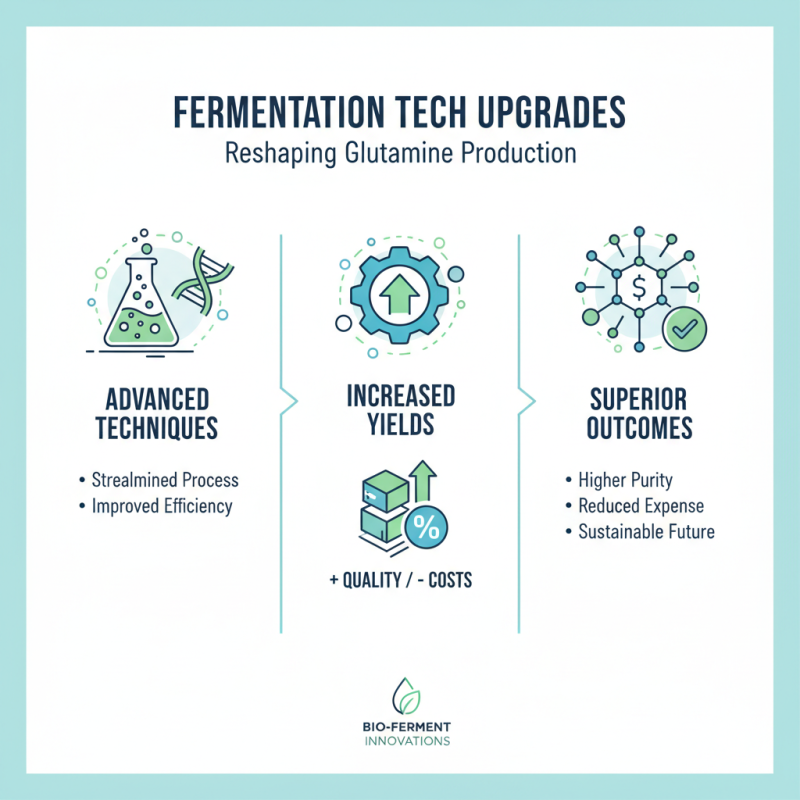
In recent years, fermentation technology has seen noticeable upgrades. These innovations are reshaping the landscape of production for fermented glutamine. Advanced techniques now streamline the fermentation process. As a result, yields can be improved significantly. This leads to both higher quality and lower costs.
One critical innovation is the use of microbial strains tailored specifically for glutamine production. These microbes can convert substrates more efficiently. This change not only enhances output but can also minimize environmental impact. However, the challenges of maintaining consistency and scalability remain.
Another trend is automation and real-time monitoring. These technologies can optimize fermentation conditions. Producers can now monitor temperature, pH levels, and nutrient flow closely. It sounds impressive, but requires rigorous training and adaptation. Many facilities still grapple with fully integrating these systems. Overall, innovation is crucial, but the journey comes with hurdles that demand reflection and improvement.
Regulatory Considerations for Fermented Glutamine in China and Beyond
Regulatory considerations for fermented glutamine are crucial in the ever-evolving market in China and globally. Recent reports show that China's fermented glutamine market is projected to grow by 9% annually. This rise calls for a closer look at regulatory frameworks governing production and sale. Regulatory bodies are becoming stricter about quality certifications and safety standards. Manufacturers must adapt to these guidelines to remain competitive.
In addition, international regulations impact local businesses. The FDA has specific criteria for amino acid supplements. Understanding these regulations is vital for companies looking to export. Industry experts suggest that compliance can be complex and requires thorough documentation. Failing to meet these standards can limit market access.
Moreover, the fermentation process itself presents challenges. Not all raw materials meet the stringent quality requirements. This could lead to inconsistencies in product quality. Companies should contemplate investing in better sourcing and production techniques. Continuous improvement in regulatory awareness and production practices is essential for sustainable growth in the fermented glutamine sector.
Future Outlook for Wholesale Fermented Glutamine Services in 2026
In 2026, the demand for fermented glutamine services is expected to grow significantly. This trend reflects a wider shift towards natural and sustainable ingredients. Companies that offer L Glutamine Bulk options will be at the forefront of this movement. Consumers are now more informed about product ingredients. They seek transparency and quality, steering clear of synthetic options.
The fermentation process adds value to the product. It often improves digestibility and efficacy. However, not all producers use advanced fermentation techniques. This raises questions about quality assurance. Companies must invest in better production methods. They should consider the environmental impact too. The shift toward sustainable practices isn’t just a trend; it’s a necessity.
Market players will face challenges in 2026. The competition is fierce, and staying relevant is crucial. There’s a need for continuous innovation. Differentiation through quality and sustainable practices can set businesses apart. However, fragmentation in the market might make this difficult. Companies will need to adapt quickly, or they risk being left behind.
2026 Top Wholesale China Fermented Glutamine Service Trends Explained
| Trend |
Percentage Growth |
Market Demand |
Potential Challenges |
| Increased E-commerce Adoption |
25% |
High |
Logistics and Supply Chain Issues |
| Customized Nutritional Products |
30% |
Moderate |
Regulatory Compliance |
| Sustainable Sourcing |
20% |
Growing |
Cost Implications |
| Integration of Technology |
18% |
High |
Technical Barriers |
| Health and Wellness Awareness |
22% |
High |
Market Saturation |
Unlocking the Benefits of Food-Grade L-Glutamine Amino Acid Powder for Optimal Health and Performance
Food-grade L-Glutamine is an essential amino acid that plays a significant role in supporting optimal health and performance. As one of the most abundant amino acids in the human body, L-Glutamine is crucial for maintaining protein metabolism and promoting muscle recovery, making it a popular choice among athletes and fitness enthusiasts. Its ability to enhance muscle repair and reduce soreness after intense workouts allows individuals to train harder and recover faster.
In addition to its benefits for athletic performance, L-Glutamine also supports gut health and immune function. It serves as a fuel source for intestinal cells, helping to maintain the integrity of the gut lining and prevent issues such as leaky gut syndrome. Furthermore, L-Glutamine may play a role in synthesizing neurotransmitters, thereby supporting cognitive function and reducing stress levels. By incorporating food-grade L-Glutamine into a balanced diet, individuals can unlock a plethora of health benefits, promoting not only physical but also mental well-being.
FAQS
: Recent innovations have streamlined fermentation processes, improving yields significantly.
Tailored microbial strains convert substrates more efficiently, enhancing output and reducing environmental impact.
Automation allows for real-time monitoring of conditions like temperature and pH, optimizing the fermentation process.
Yes, many facilities struggle with the rigorous training and adaptation needed for full integration.
China’s market is projected to grow by 9% annually, highlighting the need for regulatory compliance.
Stricter quality certifications and safety standards require manufacturers to adapt to stay competitive.
Not all raw materials meet strict quality standards, leading to potential inconsistencies in product quality.
Understanding FDA criteria and other regulations is crucial for companies looking to export their products.
Investing in better sourcing, production practices, and continuous regulatory awareness is essential.
While innovation is essential, it presents hurdles that demand ongoing reflection and improvement.
Conclusion
The article provides an insightful overview of fermented glutamine and its critical role in promoting health. As we approach 2026, several key trends are emerging in the wholesale fermented glutamine market, emphasizing the growing demand for this product in China and beyond. Factors such as evolving consumer preferences and advancements in fermentation technology are significantly influencing product offerings and production processes.
Additionally, the article highlights the opportunities and challenges within emerging markets for fermented glutamine. Regulatory considerations are also pivotal in shaping the landscape for these products, affecting both manufacturers and consumers. Overall, the future outlook for wholesale fermented glutamine services appears promising, with innovative approaches and a deeper understanding of health benefits driving growth in this sector.