Lately, there's been a real boom in demand for flavor enhancers in China. Honestly, it doesn’t seem like this trend is slowing down anytime soon — heads up for 2026! Big names like T. Hasegawa and Givaudan are really stepping up their game, coming out with new formulations all the time. It’s pretty clear that flavor is playing an increasingly important role in food production these days.
Flavor enhancers are doing more than just making food taste better—they’re also evolving to match what consumers want. More folks are paying attention to health these days, so a lot of companies are working on reformulating products to cut down on sodium and sugar, all while keeping that delicious flavor intact. It’s a delicate balancing act, for sure. Some people still wonder if these additives can truly mimic natural flavors, and that’s a valid point.
As this whole market gets more competitive, understanding what’s happening with flavor enhancers is more important than ever. Companies will need to listen closely to what consumers prefer and be transparent about ingredient sourcing and how they develop these products. As these trends grow and shift, they’re likely to spark some pretty big changes across the industry too.

The flavor enhancer market is evolving rapidly. By 2026, new technologies will significantly reshape the industry. According to a report by Mordor Intelligence, the global flavor enhancer market is projected to reach $20 billion by 2026. This growth reflects a rising demand for natural ingredients and healthier options.
Emerging technologies like fermentation and enzymatic processes are becoming more prevalent. These methods provide cleaner labels and enhance flavor without artificial additives. In fact, research shows that 45% of consumers prefer natural flavor enhancers. Brands are responding by adopting innovative techniques to cater to health-conscious customers.
However, challenges remain in maintaining consistency and quality. The variability in natural sources can lead to fluctuating flavor profiles. Companies must invest in robust quality control measures. Leveraging data analytics will become essential in this regard. As the market grows, businesses should reflect on their strategies to ensure they remain relevant and competitive.
| Trend | Description | Technology | Market Impact | Predicted Growth Rate |
|---|---|---|---|---|
| Natural Flavor Enhancers | Growing consumer preference for natural sources over synthetic. | Extraction Technologies | Increased market demand for organic products. | 12% |
| Umami Boosters | Rising interest in umami flavors in Chinese cuisine. | Fermentation Science | Expanding usage in ready-to-eat meals. | 15% |
| Plant-Based Flavorings | Shift towards plant-based diets influencing flavor enhancer formulations. | Biotechnology | Growth in the vegetarian and vegan markets. | 10% |
| Clean Label Products | Demand for ingredients that are easy to understand and traceable. | Ingredient Transparency | Facilitates consumer trust and brand loyalty. | 20% |
| Customized Flavors | Personalization of flavors to meet individual consumer preferences. | AI and Machine Learning | Increases product uniqueness and consumer satisfaction. | 18% |
In recent years, the market for flavor enhancers in China has seen vibrant growth. This rise is driven by innovative ingredients that resonate with consumer preferences. The increasing demand for natural and organic flavoring agents has led to a significant shift in ingredient sourcing. For instance, many manufacturers are incorporating umami-rich options, such as mushrooms and seaweed, which can elevate product taste profiles.
Tips: Explore emerging ingredients. Look for options that cater to health-conscious consumers.
Fermentation is another key trend influencing flavor enhancer development. It not only improves depth of flavor but also aligns with the rising interest in probiotics. Consumers are eager for products that support their wellbeing. Additionally, unique spices and herbs are gaining traction, prompting wholesale suppliers to diversify their offerings extensively.
Tips: Stay informed about local flavor trends. Regional preferences can guide your sourcing decisions.
In 2026, understanding consumer preferences will be vital for flavor enhancer products in China. Today’s shoppers prioritize natural ingredients over artificial ones. They seek transparency in sourcing and production. Consumers are becoming more health-conscious, driving demand for low-sodium or sugar-free options. The rise of plant-based diets influences preferences, as many look for vegetarian-friendly enhancers.
Moreover, flavors that evoke nostalgia are gaining popularity. Older generations remember traditional tastes, leading to a resurgence in classic flavors. In contrast, younger consumers are curious about global tastes. They experiment with unique flavors from different cultures. This blend of old and new creates a dynamic market.
However, businesses must navigate challenges. Balancing flavor intensity with health benefits can be difficult. Some products may taste great but lack essential nutrients. Others may be healthy yet fall flat on flavor. Striking this balance requires innovation and consumer input. Regular feedback can help refine products and meet evolving preferences. As trends shift, companies must stay agile to remain relevant.
In 2026, the trend towards natural and organic flavor enhancers will continue to gain momentum. According to recent industry reports, consumers are increasingly prioritizing clean labels. A staggering 65% of consumers prefer products free from synthetic additives. This shift indicates a strong demand for transparency and quality in flavor enhancers.
Natural flavor enhancers, derived from plants and herbs, are becoming primary choices. They not only enhance taste but also provide health benefits. For instance, umami-rich ingredients like mushrooms and seaweed can boost savory flavors without the need for artificial additives. Research shows that the market for plant-based flavor enhancers is projected to grow at a rate of 15% annually, evidencing a robust interest.
However, challenges remain in sourcing and processing these ingredients. The consistency and reliability of natural enhancers can vary significantly. Producers must adapt to these fluctuations while ensuring flavor integrity. This complexity raises questions about supply chain management and product formulation challenges, emphasizing the need for innovation and expertise in the industry.
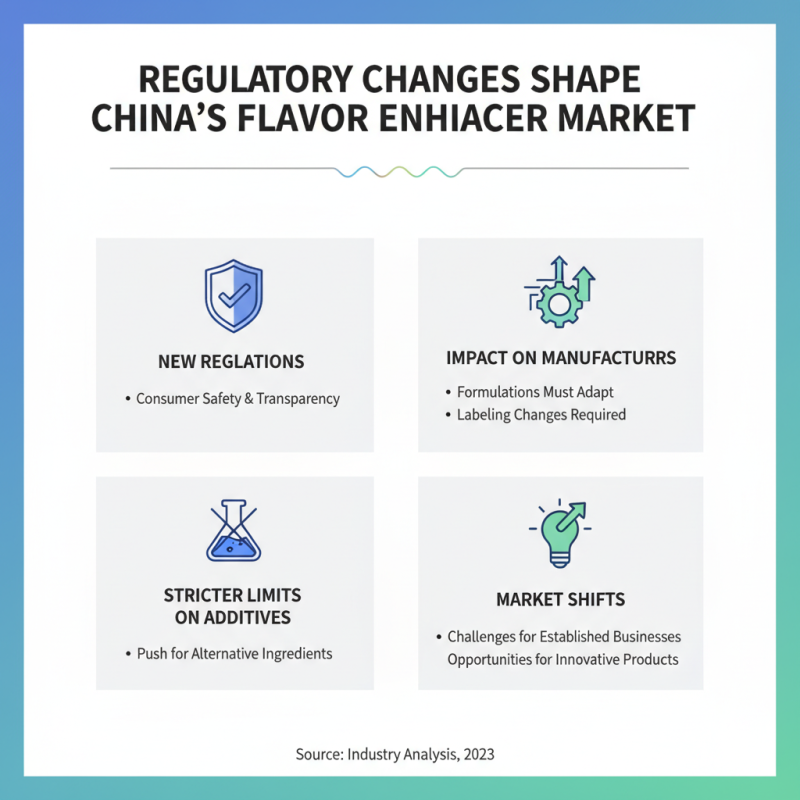
In recent years, the flavor enhancer market in China has faced significant changes due to evolving regulations. New guidelines aim to ensure consumer safety and product transparency. Manufacturers must adapt to these regulations, which impact formulations and labeling practices. For instance, stricter limits on certain additives may lead companies to seek alternative ingredients. This shift can challenge established businesses while opening doors for innovative products.
To navigate these changes effectively, companies should closely monitor regulatory updates. Understanding how regulations affect formulations is critical. Investing in research to discover compliant yet appealing flavor enhancers can keep brands competitive.
Tips: Always keep your product information transparent. Regular audits of ingredient lists help maintain compliance. Engage with stakeholders to discuss regulatory impacts and gather insights. Engaging with regulators and industry experts can provide valuable guidance, helping brands to adapt swiftly. In a rapidly changing market, flexibility may be the key to success.
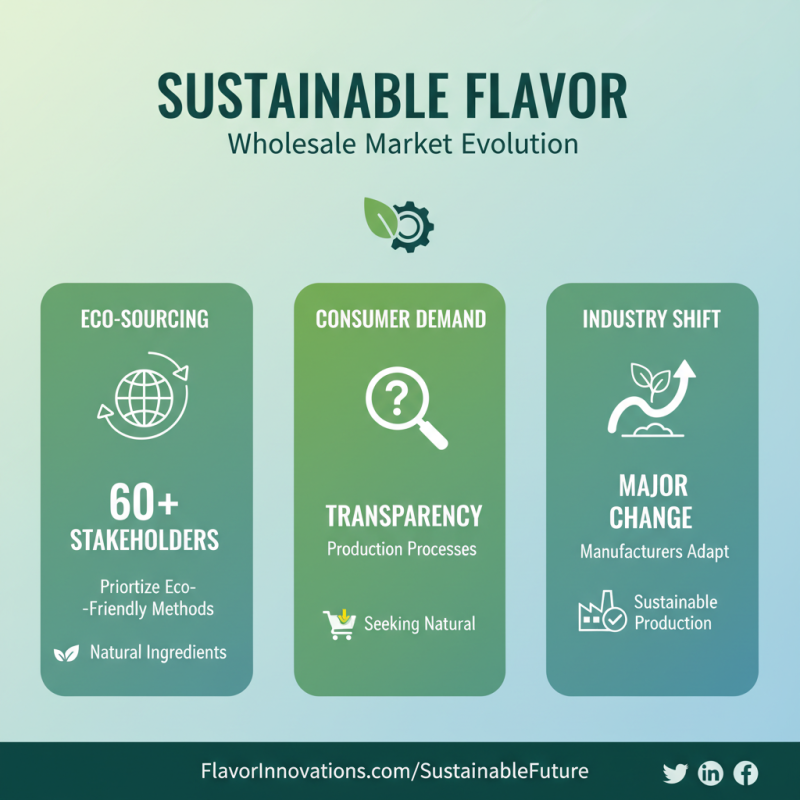
The flavor enhancer wholesale market is increasingly embracing sustainability. Recent reports indicate that over 60% of industry stakeholders prioritize eco-friendly sourcing methods. This trend signals a major shift towards natural ingredients. Manufacturers are recognizing that consumers demand transparency in production processes.
Innovations in sustainable practices are emerging. For instance, companies are exploring plant-based flavor compounds. These alternatives not only reduce environmental impact but also resonate with health-conscious consumers. The implementation of zero-waste strategies is gaining traction. Many firms are now repurposing by-products from flavor extraction processes. This conserves resources and minimizes landfill contributions.
Despite these advancements, challenges persist. Some manufacturers struggle with balancing cost and sustainability. Sustainable sourcing can be expensive, impacting profit margins. Skepticism about the efficacy of natural flavors remains prevalent. Regular audits and certifications could enhance credibility in this sector. As the market evolves, a commitment to continuous improvement is essential for long-term success.
The flavor enhancer market in China is evolving rapidly. There is a noticeable increase in demand for natural flavoring agents. Consumers are becoming more health-conscious. They prefer clean labels that clearly show ingredient sources. This trend significantly impacts supply dynamics.
Producers are focusing on sustainability. Sourcing raw materials responsibly is becoming a priority. However, maintaining quality while scaling production can be challenging. Pricing pressures also affect how suppliers operate. Many are reconsidering their supply chains. Innovation in extraction methods is necessary to meet consumer needs.
Market analysis reveals shifting trends. Traditional enhancers are waning in popularity. Younger consumers are driving interest in unique and exotic flavors. The challenge lies in balancing innovation with affordability. Many businesses find it hard to keep up. Understanding these dynamics is crucial for stakeholders in the industry. Effective strategies must adapt to these changes.
The Role of High Purity Tartaric Acid in Achieving Flavor Balance: Insights from Recent Food Industry Analysis Reports
High purity tartaric acid is gaining recognition in the food industry for its pivotal role in achieving harmony in flavor profiles. Its unique chemical properties render it an essential ingredient in a variety of applications, particularly in the beverage and baking sectors. By contributing to the acidity balance, tartaric acid helps to enhance the overall taste experience, ensuring that products are both refreshing and satisfying. Its stability under varying conditions further makes it a reliable choice for manufacturers looking to maintain consistent quality.
In recent analyses, industry experts have highlighted how high purity tartaric acid can transform functional foods as well. By elevating flavors and improving the mouthfeel of products, this ingredient serves as a key component in formulating healthier options that do not compromise on taste. As consumers increasingly seek well-balanced, flavorful foods, the incorporation of tartaric acid is seen as a strategic move for brands aiming to meet market demands. Its versatility not only boosts flavor but also contributes to the overall quality of food products, ultimately enabling manufacturers to deliver superior offerings.
: Innovative ingredients, health trends, and consumer preferences drive market growth.
Consumers prefer transparency and healthier options. They want natural over artificial ingredients.
Fermentation enriches flavors and supports the interest in probiotics, attracting health-conscious consumers.
Nostalgic flavors appeal to older generations, while younger consumers seek unique global tastes.
Balancing flavor with health benefits is tricky. Some tasty products lack nutrients, and vice versa.
New guidelines require companies to adapt their ingredients and labeling to ensure safety and transparency.
Regular audits of ingredient lists and engaging with regulators can help ensure compliance.
Understanding preferences is vital for success. Regular feedback can refine products and meet evolving tastes.
The market is constantly changing. Companies must adapt quickly to remain competitive and relevant.
Researching alternative ingredients that comply with regulations can lead to appealing and safe flavor enhancers.
The article discusses the emerging trends in the wholesale flavor enhancer market in China for 2026, highlighting key technologies and ingredients that are shaping this dynamic industry. Innovations in natural and organic flavor enhancers are gaining traction as consumer preferences increasingly lean toward healthier options. Additionally, the article examines how regulatory changes may impact the flavor enhancer landscape, emphasizing the need for compliance in manufacturing practices.
Sustainability is another critical focus, with a growing demand for environmentally friendly processes within the flavor enhancer sector. Market insights reveal the complex interplay between demand and supply, providing a comprehensive analysis of current trends and future projections. As flavor enhancers continue to evolve, understanding these factors will be essential for stakeholders in the industry.