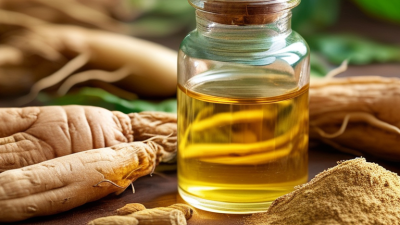
Picking a ginseng extract supplier in 2026 isn't just about comparing prices—you gotta look deeper. Buyers around the world need to know where their roots come from, make sure the specs stay consistent, and verify that testing matches what’s in the final product. The species of ginseng really matters, as does where it’s harvested, the ginsenoside levels, the extraction solvents used, and the carrier materials involved.
Dr. Vladimir Badmaev, a well-respected researcher in plant science, once said that ginseng has “a long history and complex chemistry,” and honestly, that still rings true today. A trustworthy supplier should be upfront with botanical IDs, batch records, Certificates of Analysis, microbiology tests, heavy-metal screenings, and pesticide results. Reputable companies like NutraGreen Life Sciences and Naturex are good examples—they clearly explain their extraction processes. But hey, don’t just take their word for it—always double-check their claims.
And yeah, always ask for samples before making a big commitment.
When you review suppliers, consider their manufacturing capacity, minimum order sizes, how well they package to prevent damage, lead times, and the export paperwork involved. Moisture can wreck powders during shipping over the ocean, and if packaging isn’t sealed properly, the product can clump up—even if it started off perfect. Plus, find out if they offer a standard Ginseng Extract or custom formulas—you’d want to know because it impacts price, dosing, and the overall product quality.
Some folks get sidetracked comparing related ingredients like Pine Bark Extracts, Pine Bark Extract Powder, or Pine Bark Extract Supplements, thinking they’re the same as ginseng—but that’s a mistake. They’re totally different ingredients, so don’t get confused. The best sourcing process ties lab evidence with real-world manufacturing knowledge. Just keep in mind, no supplier is perfect—their documentation might be a bit patchy, or communication can sometimes be slow. That’s something you want to keep in mind, especially when planning for a long-term partnership.

Ginseng extract quality begins with identity, not a glossy certificate. Asian ginseng, American ginseng, and Siberian ginseng are not interchangeable. Their plant species and active compounds differ. Red and white ginseng also use different processing methods. A supplier should state the botanical name, plant part, extraction solvent, and extract ratio. These details should appear on every batch document.
The World Health Organization identifies ginsenosides as key quality markers for Panax species. However, total ginsenoside content alone cannot prove authenticity. Buyers should request HPLC testing for individual compounds, such as Rb1, Rg1, and Rg3. The United States Pharmacopeia also provides monograph-based testing for ginseng identity and strength.
Independent laboratory results should cover heavy metals, pesticides, microbes, and residual solvents. Clean paperwork is not enough.
Market data adds useful context. Grand View Research estimated the global ginseng market at about USD 2.15 billion in 2023, with continued growth expected through 2030. Rising demand may encourage aggressive standardization claims. That deserves caution. A 10:1 extract is not automatically stronger than a 5:1 extract. Concentration can reflect raw-material weight, not biological performance. Fermented extracts may improve compound availability, but evidence remains uneven. I would compare three recent batches, not one impressive sample. Even experienced buyers can overlook seasonal variation, storage humidity, or delayed testing.
2026 Top Ginseng Extract Suppliers for Global Buyers
Global buyers should evaluate ginseng extract suppliers through evidence, not polished sales language. Start by confirming the botanical species, plant part, extraction method, and country of origin. “Natural” is not a complete specification.
Ask for recent certificates of analysis from each production batch. These should show ginsenoside levels, moisture, microbial limits, heavy metals, pesticides, and residual solvents. Independent laboratory verification adds confidence, especially when the extract will enter regulated markets. Supplier quality systems also matter. Review GMP practices, audit records, traceability procedures, and recall controls.
Consistency is practical proof.
A reliable supplier should explain how it controls harvest variation, drying temperature, extraction yield, and storage conditions. Compare samples against technical data, then test them under your own quality plan. Certificates can be accurate, but they may not reveal every handling problem. That limitation deserves attention.
Commercial details can expose hidden risks. Check minimum order quantities, lead times, packaging materials, shelf-life data, and temperature requirements during transport. Request clear documents for customs and product registration. Communication speed is useful, but technical accuracy matters more. An experienced supplier should answer difficult questions without avoiding specifics.
Some buyers focus too heavily on price. I have found that cheaper material can create higher testing costs and delayed production. Still, no supplier is perfect. A careful evaluation should include documented strengths, known gaps, and a plan for corrective action.
This buyer-screening framework allocates 100 evaluation points across the criteria most relevant to international ginseng extract procurement. Product identity and species verification, ginsenoside standardization, contaminant testing, traceability, regulatory documentation, and supply continuity should be assessed together before commercial qualification.
The scores represent a transparent evaluation framework rather than rankings of any specific supplier or brand.
International buyers need more than attractive pricing when selecting a Ginseng Extract supplier. Reliable suppliers should provide botanical identification, harvest details, extraction methods, and batch traceability. These records help buyers verify whether the material matches the agreed specification. Small details matter.
A professional supplier should disclose ginsenoside levels, moisture content, particle size, microbiological results, heavy-metal testing, and residual-solvent data. Independent laboratory reports can strengthen confidence, especially for shipments crossing multiple markets. Buyers should also request samples from recent production batches, not old showcase samples. Packaging deserves attention too. Moisture-barrier bags, clear labels, lot numbers, and controlled storage protect extract quality during transport.
International sourcing also requires practical communication. Leading suppliers usually explain minimum order quantities, lead times, payment terms, and document support without hiding limitations. They should understand destination-market requirements, while buyers must verify local rules independently. A certificate of analysis is useful, but it is not proof of everything. Testing methods may differ, and some documents can become outdated. Even experienced purchasing teams miss this point sometimes. I would compare at least two batches, inspect the testing laboratory, and record every agreed parameter before ordering. Transparent corrective-action procedures also matter when color, odor, or assay results vary. Reliability grows through evidence, consistent communication, and careful review rather than polished promises.
Global buyers should examine evidence, not polished certificates, when screening ginseng extract suppliers. The WHO’s Global Report on Traditional and Complementary Medicine 2019 found that 88% of WHO Member States acknowledged traditional medicine use. That broad adoption increases the need for consistent quality. Ask whether the facility holds current GMP, HACCP, ISO 22000, and organic certifications. Verify certificate numbers, scope, issuing bodies, and expiration dates.
Testing should match the product’s risks. For a Ginseng Leaf Extract Supplement, request batch-specific reports showing ginsenoside profiles, identity testing, microbial limits, heavy metals, pesticides, and solvent residues. ISO/IEC 17025 accreditation adds confidence because the laboratory’s competence is independently assessed. The U.S. FDA’s dietary supplement GMP framework also expects finished products and components to meet established specifications. A passing report is useful. It is not proof of every batch.
Production capacity needs practical verification. Request three years of output data, monthly capacity, lead times, extraction ratios, and reserve raw-material volumes. Compare stated capacity with harvest seasons and warehouse records. Supplier audits should inspect drying rooms, extraction vessels, calibration logs, and sample retention. I would also check whether one site handles everything. That reduces transfer risk, but can create a single-point failure. Certifications may look complete. Traceability can still be weak. Ask for a mock recall test, lot-level records, and stability data under the intended storage conditions. WHO guidance supports documented quality systems, yet small gaps often appear during real inspections.
| Anonymous Supplier Profile | Primary Sourcing Region | Typical Extract Formats | Certifications and Compliance Evidence | Identity and Potency Testing | Contaminant and Safety Testing | Indicative Annual Extract Capacity | Traceability and Documentation |
|---|---|---|---|---|---|---|---|
| Profile A Large-scale Asian processor |
China; cultivated Panax ginseng and Panax notoginseng | Spray-dried powder, concentrated liquid, granules, standardized extract | GMP ISO 22000 HACCP Halal/Kosher options |
HPLC or UPLC ginsenoside profile; total ginsenosides assay; botanical identity confirmation |
Heavy metals by ICP-MS; pesticide multi-residue screen; aflatoxins, microbial count, yeast and mold |
500–2,000 metric tons per year | Lot-specific COA, batch coding, raw-material origin records, stability data available on request |
| Profile B Premium Korean red-ginseng processor |
Republic of Korea; cultivated six-year and multi-year ginseng | Red-ginseng extract, liquid concentrate, freeze-dried powder, soft-extract paste | GMP HACCP ISO 22000 Organic lines available |
HPLC quantification of major ginsenosides; species authentication; moisture and extract-solids testing |
Pesticide residues; heavy metals; microbial pathogens; residual solvents where applicable |
100–500 metric tons per year | Farm-to-batch traceability, processing records, allergen statement, non-GMO declaration when applicable |
| Profile C North American cultivated-root supplier |
United States and Canada; cultivated Panax quinquefolius | Root powder, aqueous extract, ethanol extract, standardized capsule-grade powder | GMP HACCP USDA Organic options Non-GMO options |
HPLC or UPLC ginsenoside profile; American ginseng species verification; total ginsenosides and moisture |
Heavy metals; pesticide residues; microbiology; ochratoxin and aflatoxin screening where required |
25–150 metric tons per year | Cultivation-area records, harvest-year identification, organic certificates for certified lots, COA per batch |
| Profile D Standardized botanical-extract manufacturer |
Multi-origin sourcing with qualification of approved farms and processors | High-ginsenoside powder, water-soluble extract, custom blends, premix ingredients | GMP FSSC 22000 HACCP ISO 9001 |
HPLC/UPLC fingerprinting; marker-compound standardization; identity testing by microscopy, TLC or DNA methods |
Full pesticide panel; heavy metals; residual solvents; microbial and pathogen testing |
200–1,000 metric tons per year | Supplier qualification program, change-control records, specification sheets, allergen and irradiation statements |
| Profile E Organic and clean-label specialist |
Certified farms in East Asia and North America | Organic powder, low-temperature extract, liquid concentrate, clean-label instant granules | USDA Organic EU Organic GMP Vegan options |
HPLC ginsenoside quantification; botanical identity testing; organic-lot segregation and verification |
Organic-compliant pesticide testing; heavy metals; microbial limits; mycotoxins and residual-solvent review |
20–120 metric tons per year | Organic transaction certificates, segregation controls, farm documentation, batch-specific COA |
| Profile F Pharmaceutical-grade extract producer |
Controlled cultivation zones in Asia with validated processing facilities | High-purity dry extract, granular extract, pharmaceutical intermediate, custom-strength concentrate | GMP ICH-based quality system ISO 17025 laboratory access HACCP |
Validated HPLC/UPLC method; ginsenoside Rg1, Rb1, Re and related markers; batch-to-batch uniformity testing |
ICP-MS heavy metals; validated pesticide methods; residual solvents; microbial limits and elemental impurities |
50–300 metric tons per year | Validated methods, deviation and CAPA records, retained samples, audit package and detailed batch records |
| Profile G Private-label and flexible MOQ supplier |
Qualified third-party farms and extractors across Asia | Powder, capsules, liquid shots, sachet premixes, customized blends | GMP HACCP ISO 22000 Halal options |
Supplier COA review; third-party identity testing; total ginsenosides assay according to product specification |
Microbiology; heavy metals; pesticide testing based on destination market; allergen review |
10–80 metric tons per year | Batch COA, packaging compliance documents, product specifications, sample retention according to quality policy |
When comparing ginseng extract suppliers in 2026, price should be read beside the specification sheet. Ginseng Leaf Extract may cost less than root extract, but concentration, ginsenoside content, drying method, and testing can change the quotation. A low price may hide weaker assays or limited documentation. Ask for a recent certificate of analysis, sample batch, microbiological results, and heavy metal limits.
Minimum order quantities often range from 25 to 100 kilograms for pilot purchases. Larger orders may reduce the unit price, but they increase inventory risk. Request two quotations: one for trial volume and one for annual supply. Payment terms, inner packaging, pallet size, and shelf life also affect the landed cost. Small details matter.
International logistics need early planning. Confirm the shipping term, export documents, HS classification, and consignee requirements before payment. Air freight suits urgent samples, while sea freight usually works better for commercial quantities. Keep moisture barriers inside sealed cartons. A humid port can damage poorly packed powder. Lead times may include production, laboratory release, booking, customs clearance, and inland delivery. I have seen buyers focus on the factory price and overlook storage charges. That mistake is expensive. Still, even careful estimates can change when freight rates or inspection requirements move unexpectedly.
Selecting the Right Ginseng Extract Supplier for Your Market
Global buyers should assess more than price when comparing ginseng extract suppliers in 2026. Confirm the botanical species, cultivation region, plant part, and extraction method. These details affect potency, taste, color, and product stability. Ask for a recent certificate of analysis for every production batch. It should report ginsenoside levels, moisture, microbiological limits, heavy metals, pesticides, and allergens.
Request traceability records from farm to finished powder. A reliable supplier should explain harvesting controls, drying temperatures, warehouse conditions, and packaging materials. For products such as Ginseng Leaf Extract Powder, verify the plant identity and active-compound profile separately. Leaf extracts may not match root extracts in composition or sensory performance. Small samples help, but they can hide seasonal variation. Test multiple lots when possible.
Market requirements also shape the right supplier choice. Check whether the supplier supports your destination’s labeling rules, import documents, stability data, and permitted claims. Review quality certificates, audit reports, production capacity, minimum order quantities, and realistic lead times. Clear communication matters during specification changes. Be cautious with unusually cheap offers. The lower cost may reflect weaker testing or inconsistent raw materials. One detail is often missed: ask how rejected batches are handled. A strong quality system documents failures instead of quietly replacing them. Supplier selection remains partly judgment, and early assumptions deserve another review.
The supplier should state the botanical name, plant part, extraction solvent, and extract ratio. Harvest dates and lot numbers should appear on batch documents. Small details matter. Records should match the delivered material.
No. Asian ginseng, American ginseng, and Siberian ginseng come from different plants. Their active compounds and expected uses may differ. Red and white ginseng also use different processing methods. The names can sound similar. That causes mistakes.
No. A 10:1 ratio is not automatically stronger than a 5:1 ratio. The ratio may describe raw-material weight, not biological performance. Compare compound testing instead of relying on a large number. I would question impressive ratios.
Request identity testing and individual compound results for markers such as Rb1, Rg1, and Rg3. Total marker content alone cannot prove authenticity. Independent testing should also cover microbes, pesticides, heavy metals, and residual solvents. One clean report is not enough.
Comparing at least two recent batches is practical. Three batches provide a clearer view of consistency. Review color, odor, moisture, particle size, and compound levels. Seasonal variation can hide behind one attractive sample.
Use moisture-barrier bags with clear labels and lot numbers. Controlled storage helps protect the powder during transport. Check warehouse humidity and temperature records when possible. Packaging is not decoration.
Review certificates, test methods, expiration dates, issuing bodies, and covered facilities. Check whether laboratory reports are batch-specific and recently issued. Laboratories with recognized competence offer stronger evidence. A certificate of analysis proves only the listed results.
Request recent output data, monthly capacity, lead times, and raw-material reserves. Compare those figures with harvest seasons and warehouse records. Audits should inspect drying rooms, extraction equipment, calibration logs, and retained samples. A mock recall can reveal weak lot tracking. Even careful teams miss this.
This guide explores how global buyers can evaluate Ginseng Extract suppliers in 2026, beginning with the main extract types, concentration levels, active compound profiles, and quality standards that influence product suitability. It explains how to assess suppliers through documentation, identity testing, contaminant screening, batch consistency, traceability, and recognized certifications. Readers will also learn how to compare production capacity, testing procedures, private-label capabilities, and responsiveness when reviewing potential international partners.
The guide further examines pricing structures, minimum order quantities, packaging options, lead times, shipping arrangements, and import documentation. Because requirements vary by market and application, supplier selection should consider regulatory readiness, technical support, product customization, and long-term supply stability rather than price alone. By balancing quality, compliance, logistics, communication, and commercial terms, buyers can identify a dependable Ginseng Extract supplier that aligns with their market needs and supports consistent purchasing decisions.