Get a Quote
Leave Your Message
Describe your specific request*
0%

Come 2026, buyers all around the world are going to look at Plant Extracts not just by their shiny labels or familiar scientific names. They’ll dig a little deeper, asking real, practical questions. Is the species truly what it claims to be? Are the active markers consistent from batch to batch? And can the supplier back up their claims — like where it’s from, how it’s processed, and if the batch stays stable over time? In this overview, I’ll walk you through some of the best types of plant extracts for sourcing internationally. We’re talking standardized extracts, full-spectrum ones, polyphenol-rich options, adaptogens, and water-soluble formats. Each kind has its own perks and value, but honestly, no single type is perfect for every product out there.

Mark Blumenthal, the guy who started the American Botanical Council, often says, “Quality, safety, and efficacy — those are the three core pillars of herbal products.” That’s still super relevant in 2026. When you're checking out suppliers, a good extract should come with botanical authentication, contaminant tests, info on solvents used, and data on key marker compounds. Just having certificates isn’t enough though — you want traceability, clear specs, and claims you can actually believe.

Sometimes, the best choice depends on what exactly you’re making. Standardized extracts are great if you need consistency for your formulations. Full-spectrum extracts keep a broader profile of the plant’s compounds, which is awesome for some applications. Water-soluble extracts? They can really help simplify making drinks or beverages. But, here’s the thing — the
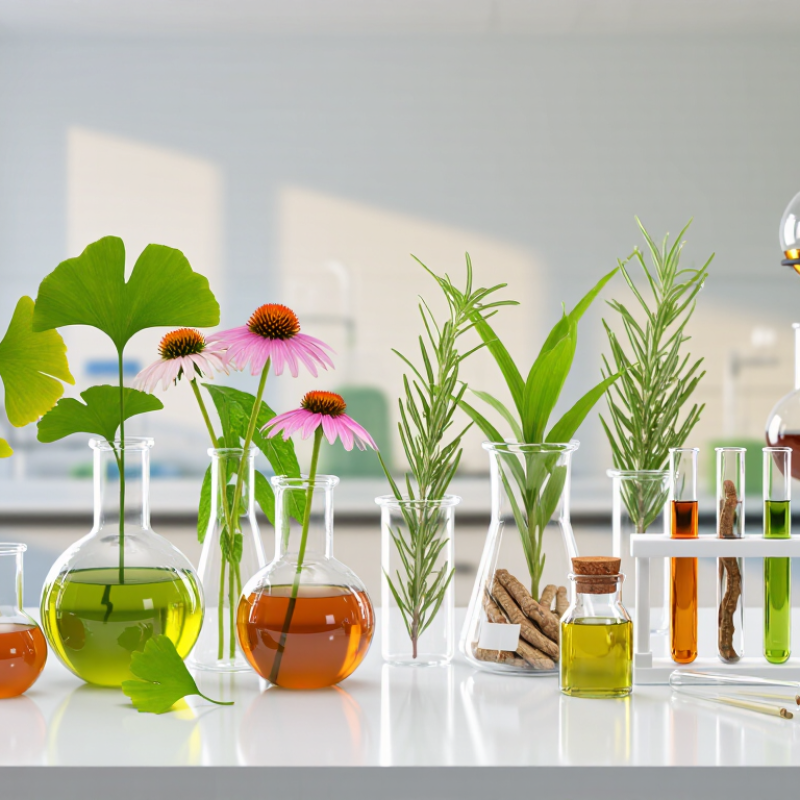
2026 Best Types of Plant Extracts for Global Buyers?

What Plant Extracts Are and Why Global Buyers Use Them

Plant extracts are concentrated materials made from leaves, roots, seeds, flowers, or bark. Manufacturers use water, ethanol, or other permitted solvents to draw out selected compounds. The final powder or liquid may support food, cosmetic, beverage, or supplement formulations. The plant matters. Its origin, harvest season, and processing conditions can change color, aroma, solubility, and active-marker levels.

Global buyers usually select extracts for consistency, traceability, and practical formulation needs. A buyer may request Pine Bark Extract for a powdered blend, while another needs a water-dispersible version for a drink. Common search terms include Pine Bark Extract, Pine Bark Extracts, Pine Bark Extract Powder, Pine Bark Extract Supplement, and Pine Bark Extract Supplier. These terms describe purchasing goals, not guaranteed product quality. Labels can mislead.

Reliable evaluation requires botanical identification, extraction details, marker-compound testing, and batch documentation. Buyers should review certificates of analysis, microbial results, heavy-metal limits, pesticide screening, and stability data. Packaging also matters. Moisture-resistant bags can protect powder during long shipments and humid storage. In practical sourcing, small samples should be tested before larger orders. One batch may dissolve quickly, while another leaves sediment. That gap matters. Specifications should also match the destination market’s food, cosmetic, or supplement rules. No extract is automatically better; suitability depends on evidence, dosage format, intended use, and honest communication between supplier and buyer.

How Plant Extracts Are Classified by Source, Form, and Function

For global buyers, plant extracts are best classified by source, form, and function. Source means the plant part and origin: root, leaf, flower, seed, or fruit. Geographic origin also matters. Soil, climate, harvest season, and drying methods can change marker compounds.

Form affects handling and formulation. Powders suit capsules, drink mixes, and compressed tablets. Liquid extracts work better in tinctures, beverages, and topical products. Standardized extracts state a target compound, such as 20% polyphenols. Non-standardized extracts may reflect the whole plant more naturally, but they create wider batch variation. Buyers should check extraction solvents, moisture, microbial limits, heavy metals, and identity testing. A certificate alone is not enough.

Function narrows the purchase decision. Antioxidant, digestive, calming, coloring, and flavoring extracts require different evidence. The WHO Global Report on Traditional and Complementary Medicine 2019 found that 88% of WHO Member States reported using traditional medicine. That figure signals demand, not automatic efficacy. Market reports also project continued growth for botanical ingredients, yet their estimates differ because categories overlap. This is worth questioning.

A practical specification should link source to function. For example, a green tea leaf extract may need catechin testing, while a turmeric rhizome extract may require curcuminoid data. Traceability should reach the farm or collector when possible. Seasonal supply remains a real weakness. Ask for multiple harvest records, validated test methods, and stability data before approving a large order.

Which Plant Extract Types Are Leading the 2026 Global Market

Which Plant Extract Types Are Leading the 2026 Global Market

The 2026 global plant extract market is shifting toward standardized, traceable ingredients. Buyers increasingly request clear marker compounds, botanical identity, and batch-specific testing. This is practical, not fashionable. A clean certificate of analysis can prevent costly formulation problems.

Pine Bark Extracts remain important in antioxidant-focused products, especially where buyers need consistent polyphenol levels. Green tea, grape seed, turmeric, and rosemary extracts also attract strong interest. Their value depends on extraction method, stability, dosage guidance, and documented safety data. Powdered extracts are convenient for capsules and dry blends, while liquid extracts suit beverages and personal-care formulas.

Adaptogenic and calming botanicals are gaining attention, but evidence quality varies widely. Experienced buyers should review human studies, solvent information, pesticide screening, and heavy-metal results. A familiar plant name does not guarantee reliable performance. Not every popular extract deserves equal shelf space. Market forecasts can also miss regional differences, seasonal supply changes, and new compliance requirements. That uncertainty matters.

Suppliers with strong technical files, controlled sourcing, and responsive quality teams are better positioned for global trade. Buyers should compare specifications rather than rely on marketing language. Small details matter, such as moisture limits, packaging seals, and storage temperatures. Real performance still requires testing in the finished product.

How to Compare Extract Potency, Purity, and Active Compounds

Global buyers should compare plant extracts by measurable potency, not by the plant name alone. Grand View Research estimated the global botanical extracts market at approximately USD 27.5 billion in 2023. That growth increases pressure to verify quality. For Ginseng Leaf Extracts, ask whether potency refers to total extract, dry-basis content, or specific ginsenosides. These measurements are not interchangeable.

A reliable comparison starts with the active-compound profile. Request HPLC or UPLC results showing individual markers, total marker content, and laboratory methods. A clear certificate of analysis should also state moisture, ash, residual solvents, pesticides, heavy metals, and microbial limits. ISO/IEC 17025 accreditation adds useful confidence, although accreditation alone does not prove every batch is excellent. It only shows that the laboratory follows recognized competence requirements.

Purity needs context. An extract with 20% marker compounds may be more concentrated, but it may also contain processing residues or undeclared carriers. Check the extraction solvent, plant part, country of origin, batch number, and retest date. The World Health Organization’s traditional medicine reporting has shown broad global use, yet “natural” does not mean automatically consistent. I have seen buyers focus on one impressive assay result and overlook weak contaminant testing. That is a costly shortcut. Compare three recent batches when possible. One batch can look perfect.

What Quality, Safety, and Regulatory Standards Buyers Should Check

Global buyers are purchasing more botanical extracts, but demand does not remove quality risks. The American Botanical Council’s 2024 HerbalGram market report valued United States herbal supplement sales at about $12.5 billion in 2023. WHO also reported that 170 of 194 Member States use traditional medicine. That scale makes supplier verification essential.

For Bacopa Monnieri Extracts, request a lot-specific certificate of analysis, not a generic template. Confirm botanical identity through microscopy, HPTLC, or DNA testing where appropriate. HPLC should verify declared bacoside levels. Test each batch for microbes, aflatoxins, pesticides, heavy metals, and residual solvents. A clean-looking powder proves little. I would also check harvest location, extraction solvent, carrier materials, and storage temperature. Traceability should reach the farm or collection site.

Safety paperwork must match the destination market. Check current food, supplement, novel-food, labeling, and health-claim rules before shipment. Manufacturing records should demonstrate GMP controls, validated cleaning, calibrated instruments, and documented corrective actions. ISO-based food-safety systems can strengthen oversight, but certification alone is not proof of product quality. Ask for independent laboratory results and compare test dates with the production lot. Some buyers focus heavily on potency and undercheck adulteration. That is a costly blind spot. Requirements also change, so regulatory review should be repeated annually.

How to Select Reliable Plant Extract Suppliers for Different Applications

Selecting a reliable plant extract supplier begins with the intended application, not a product catalogue. Food manufacturers may need water-soluble powders with low microbial counts. Cosmetic formulators often prefer gentle liquid extracts with clear allergen and preservative information. Botanical identity must include the plant part, origin, and extraction method.

Request a current specification sheet, certificate of analysis, and batch sample. Check marker compounds, moisture, heavy metals, pesticides, microbiological limits, and residual solvents. Test the sample. A matching appearance is not enough. Experienced buyers also review traceability from harvest to finished packaging. Lot numbers should connect to production records, storage conditions, and transport documents.

Supplier reliability appears through communication and repeatable results. Ask how deviations are investigated and how changes are approved before shipment. A polished certificate can still hide weak testing practices. Independent laboratory confirmation may be worthwhile for high-volume purchases. Keep questions written. During evaluation, compare three batches rather than trusting one attractive result. No supplier is perfect, and buyers can miss details too. I once underestimated how strongly extraction temperature affected color and solubility during formulation trials. That mistake showed why technical discussions should include real samples, not only sales descriptions. For regulated markets, confirm documentation supports local food, cosmetic, or supplement requirements before signing a long-term agreement.

2026 Best Types of Plant Extracts for Global Buyers? - How to Select Reliable Plant Extract Suppliers for Different Applications

Extract Type Typical Plant Source and Part Common Active or Marker Compounds Common Applications Typical Extraction Methods Recommended Product Format Key Quality Tests Important Buyer Considerations
Green Tea Extract Camellia sinensis leaves Total catechins; epigallocatechin gallate (EGCG); caffeine Food supplements, functional beverages, sports nutrition, cosmetic formulations Water or hydroalcoholic extraction followed by concentration and drying Standardized powder, liquid extract, decaffeinated powder HPLC marker assay, caffeine level, moisture, heavy metals, pesticide residues, microbiology Specify catechin and caffeine ranges; verify oxidation control, solvent residues, and stability data.
Turmeric Extract Curcuma longa rhizomes Curcuminoids, including curcumin, demethoxycurcumin, and bisdemethoxycurcumin Nutraceuticals, functional foods, beverages, personal-care products Ethanol extraction, water-dispersible processing, or supercritical carbon dioxide extraction Curcuminoid powder, water-dispersible powder, oil-based extract HPLC curcuminoid assay, identification testing, residual solvents, adulterant screening, microbiology Check dispersion performance, color consistency, light sensitivity, and compliance with destination-market requirements.
Ginseng Extract Panax ginseng roots Ginsenosides, including Rb1, Rg1, and Rg3 Botanical supplements, energy products, beverages, cosmetics Water or hydroalcoholic extraction with concentration and spray drying Standardized root extract powder, liquid extract, granules HPLC or UPLC ginsenoside profile, species authentication, moisture, pesticides, heavy metals Confirm botanical species, root age where relevant, total ginsenoside specification, and traceability to cultivation or collection.
Milk Thistle Extract Silybum marianum fruits or seeds Silymarin complex; silybin and related flavonolignans Dietary supplements, liver-health formulations, combination products Food-grade ethanol extraction followed by filtration and drying Standardized silymarin powder, granules, capsules-ready blend HPLC silymarin profile, silybin content, solvent residues, aflatoxins, pesticides, microbiology Ask whether the specification refers to total silymarin or individual flavonolignans, as these values are not interchangeable.
Ashwagandha Extract Withania somnifera roots, sometimes leaves Withanolides; withaferin A may be separately specified Stress-support supplements, sports nutrition, functional foods Water or hydroalcoholic extraction, concentration, and spray drying Root extract powder, water-soluble powder, ready-to-use blend HPLC withanolide assay, plant-part authentication, heavy metals, pesticides, microbiology Verify root-only versus root-and-leaf material and require a clear withanolide profile rather than an unspecified total value.
Ginger Extract Zingiber officinale rhizomes Gingerols, shogaols, and volatile oils Digestive products, beverages, confectionery, savory foods, cosmetics Water or ethanol extraction; steam distillation for volatile oil fractions Powder, liquid concentrate, oleoresin, essential-oil fraction HPLC gingerol/shogaol assay, volatile profile, microbiology, pesticides, residual solvents Select the fraction according to the application: pungency, flavor, volatile aroma, and dispersibility differ significantly.
Elderberry Extract Sambucus nigra fruits Anthocyanins, including cyanidin glycosides Immune-support supplements, syrups, beverages, natural-color applications Aqueous extraction, concentration, and low-temperature drying Anthocyanin-standardized powder, liquid extract, color concentrate UV-visible or HPLC anthocyanin assay, species and fruit-part authentication, microbiology, heavy metals Control pH, oxygen, heat, and light exposure because anthocyanin color and assay can change during storage.
Pomegranate Extract Punica granatum fruit peel, fruit, or seeds Ellagitannins, punicalagins, anthocyanins, or ellagic acid Functional beverages, supplements, food ingredients, skin-care formulations Water or hydroalcoholic extraction; cold pressing for seed oil Polyphenol powder, juice concentrate, peel extract, seed oil HPLC or UPLC marker assay, total polyphenols, adulteration screening, pesticides, microbiology Define the plant part and marker target because peel, fruit, and seed products have different chemical profiles.
Ginkgo Biloba Extract Ginkgo biloba leaves Flavone glycosides and terpene lactones; low ginkgolic acids are generally required Botanical supplements and standardized herbal formulations Aqueous acetone or hydroalcoholic extraction with purification and drying Standardized dry extract, granules, tablets-ready powder HPLC flavone glycosides, terpene lactones, ginkgolic-acid testing, pesticides, heavy metals Require a defined marker profile and explicit ginkgolic-acid limits suitable for the destination market.
Rosemary Extract Rosmarinus officinalis leaves Carnosic acid, carnosol, rosmarinic acid, and volatile compounds Natural food antioxidant, meat and oil preservation, cosmetics, personal care Ethanol extraction or supercritical carbon dioxide extraction; steam distillation for essential oil Oil-soluble antioxidant extract, water-dispersible powder, essential oil HPLC carnosic acid/carnosol assay, antioxidant activity, solvent residues, pesticides, sensory profile Confirm food-additive or ingredient status, carrier oil compatibility, flavor impact, and oxidation stability.
Chamomile Extract Matricaria chamomilla or Matricaria recutita flower heads Apigenin derivatives, chamazulene, bisabolol, and other volatile compounds Herbal teas, cosmetics, personal care, fragrance products Water or hydroalcoholic extraction; steam distillation for essential oil Tea-cut material, dry extract powder, liquid extract, essential oil Botanical identification, marker assay, volatile profile, pesticides, heavy metals, microbiology Check the exact botanical species, allergen declaration needs, color, aroma, and intended cosmetic or food use.
Maca Extract Lepidium meyenii or Lepidium peruvianum tubers Macamides, macamines, glucosinolates, and polysaccharides Sports nutrition, energy products, functional foods, supplement blends Aqueous extraction, gelatinization, or hydroalcoholic extraction followed by drying Raw powder, gelatinized powder, concentrated extract Botanical authentication, moisture, microbial count, heavy metals, pesticides, marker or fingerprint testing Distinguish raw powder from gelatinized or concentrated extract and verify origin, processing temperature, and batch uniformity.
Supplier Selection Checklist: Confirm botanical identity and plant part; request a current certificate of analysis for each batch; review contaminant, pesticide, heavy-metal, microbiological, and residual-solvent results; verify extraction solvent and carrier materials; assess batch-to-batch standardization; request stability and shelf-life data; check traceability from raw material to finished extract; confirm manufacturing quality systems; and review labeling, import, and regulatory requirements in the destination market.

Bacopa Monnieri Extract Powder: Quality Sourcing Guide for Nutraceutical Formulations

Bacopa monnieri extract powder is a valuable botanical ingredient for nutraceutical and functional product development, but selecting the right supply partner requires careful evaluation. Buyers should consider the source of the raw material, extraction methods, manufacturing controls, and the supplier’s ability to provide consistent specifications from batch to batch. A dependable extract should have a stable composition, uniform appearance, suitable solubility, and documentation that supports quality assessment and production planning.

Our premium Bacopa monnieri botanical extract is sourced through reliable suppliers in China and produced in a modern manufacturing facility with quality-focused processes. The powder is developed for use in dietary supplements, functional foods, and other nutraceutical formulations. Consistent handling of raw materials and controlled production conditions help maintain a dependable ingredient profile, supporting formulation accuracy and predictable processing performance.

For manufacturers, practical compatibility is equally important. This extract powder can be incorporated into capsules, tablets, powders, drink mixes, and other supplement formats using standard production equipment. Before purchase, formulators can review specifications, testing documentation, packaging options, and storage recommendations to confirm suitability for their intended application. Flexible supply support and stable product quality also help streamline product development and ongoing manufacturing.

FAQS

How should buyers compare botanical extract potency?

Compare measurable active compounds, not the plant name alone. “Potency” may mean total extract, dry-basis content, or specific markers. These values are not interchangeable. Request exact definitions.

Which laboratory tests help verify active compounds?

Ask for HPLC or UPLC results. The report should show individual markers and total marker content. It should also identify the testing method and batch number. A strong assay alone is not enough.

What should a complete certificate of analysis include?

It should list moisture, ash, residual solvents, pesticides, heavy metals, and microbial limits. The document should match the production lot. Check its issue date and retest date. Generic templates are weak evidence.

Does laboratory accreditation prove that every batch is high quality?

No. Accreditation shows recognized laboratory competence. It does not prove every batch is excellent. Review the actual test results, methods, and sample details. This distinction is easy to miss.

How can buyers judge extract purity more carefully?

Check the extraction solvent, plant part, origin, and carrier materials. A concentrated extract may still contain residues or undeclared carriers. “Natural” does not automatically mean consistent. The powder may look clean. That proves little.

Should buyers compare more than one production batch?

Yes, compare three recent batches when possible. Look for consistent marker levels and contaminant results. One batch can look perfect. That is not enough.

How can buyers verify botanical identity and traceability?

Request microscopy, HPTLC, or DNA testing when appropriate. Trace records should reach the farm or collection site. Check harvest location, production lot, and storage temperature. Traceability may be incomplete, so ask directly.

Which safety and regulatory records should buyers review?

Check microbial, aflatoxin, pesticide, heavy-metal, and residual-solvent testing. Manufacturing records should show cleaning controls and calibrated instruments. Ask for documented corrective actions. Review destination-market rules before shipment, then repeat the review annually.

Conclusion

Plant Extracts are concentrated botanical ingredients made by separating selected compounds from leaves, roots, flowers, seeds, fruits, or other plant materials. Global buyers use them in food, beverages, dietary supplements, cosmetics, and personal care products because they can provide flavor, color, aroma, nutritional value, or functional benefits. These extracts may be classified by botanical source, physical form, extraction method, concentration, or intended application. In 2026, buyers are expected to show strong interest in standardized, traceable, and application-specific extracts that offer consistent performance and transparent sourcing.

When comparing products, buyers should evaluate potency, purity, active-compound profiles, solvent residues, contaminants, stability, and batch-to-batch consistency. Quality and safety checks should include documented testing, suitable manufacturing practices, accurate labeling, traceability, and compliance with the regulations of the target market. Selecting a reliable supplier also requires reviewing technical documentation, certifications, testing capabilities, production capacity, packaging, communication, and sample performance. A careful assessment helps buyers choose extracts that meet both product requirements and responsible international trade standards.
Liam

Liam

Liam is a dedicated marketing professional with a profound expertise in food ingredients and nutritional raw materials. With a passion for quality and reliability, he plays a pivotal role in connecting global buyers with top-tier products sourced from China. Liam's commitment to excellence is......
Previous 2026 Best Sodium Hyaluronate Suppliers for Global Buyers